My original plan was to leave Costa Rica to travel around a few spots in Central America and one destination in the Caribbean before making my way to Brazil at the end of 2026. But I found myself pining for João Pessoa, also known as Jampa, a beach city of under a million people in the northeast of Brazil.
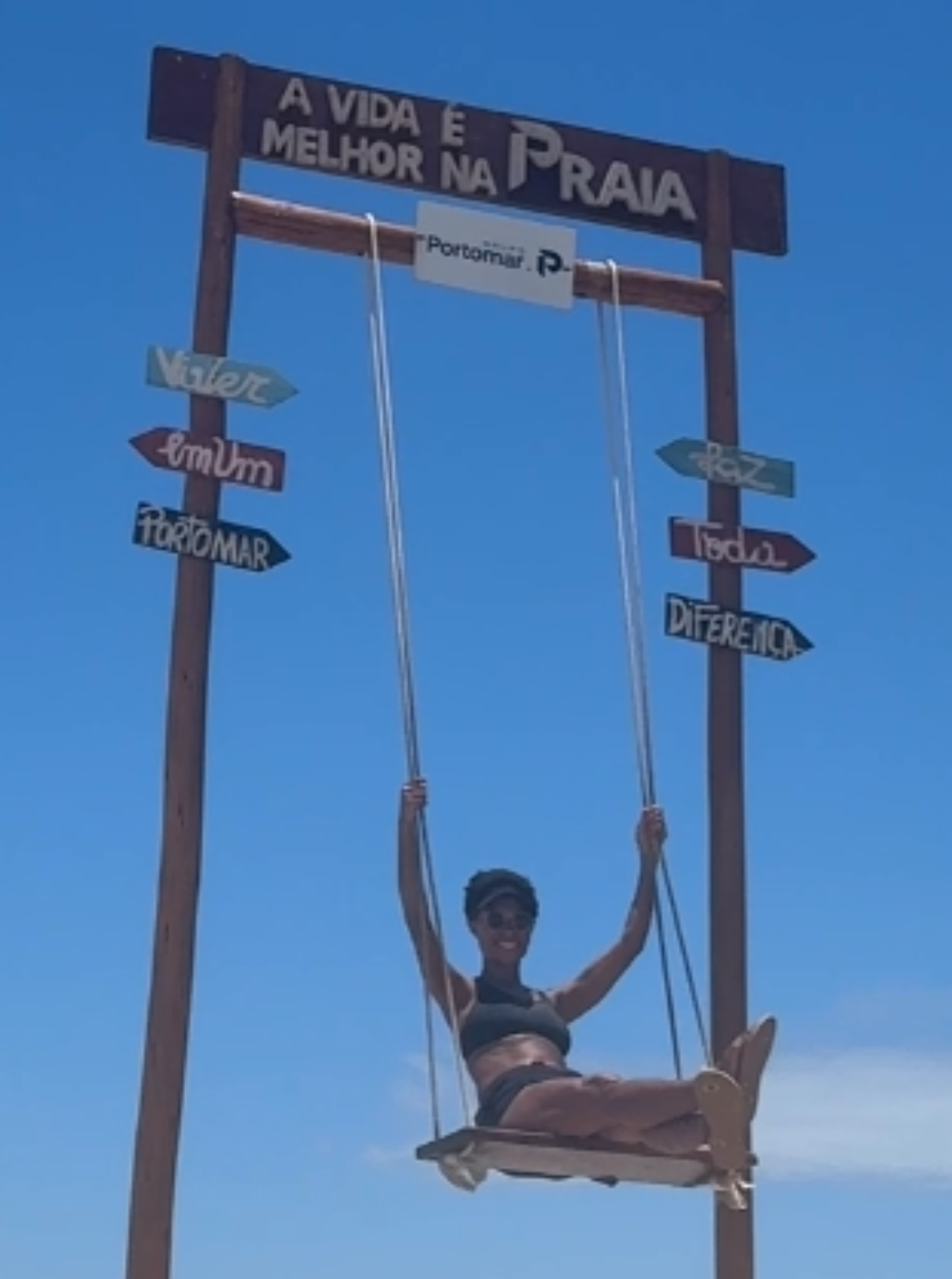
So, I canceled everything and set off on a 30-hour journey south. Most of the information I’d found claimed João Pessoa was more of a retirement city, and I’d received a few disapproving looks from Brazilians I met during my travels each time I said I planned to spend 3 months there. Some couldn’t understand why I wouldn’t want to be in the action of Rio de Janeiro or even the bustle of São Paulo. However, if you’ve been reading my blog for a while, you know that’s not what I seek out. In fact, after 3 months in João Pessoa, I feel I have an even better idea of what I want my destinations to look and feel like. Plus, I found plenty of socializing opportunities with people in my age range, but I’m getting ahead of myself. Here’s a breakdown of my time in João Pessoa.
Eastern Most Point in the Americas
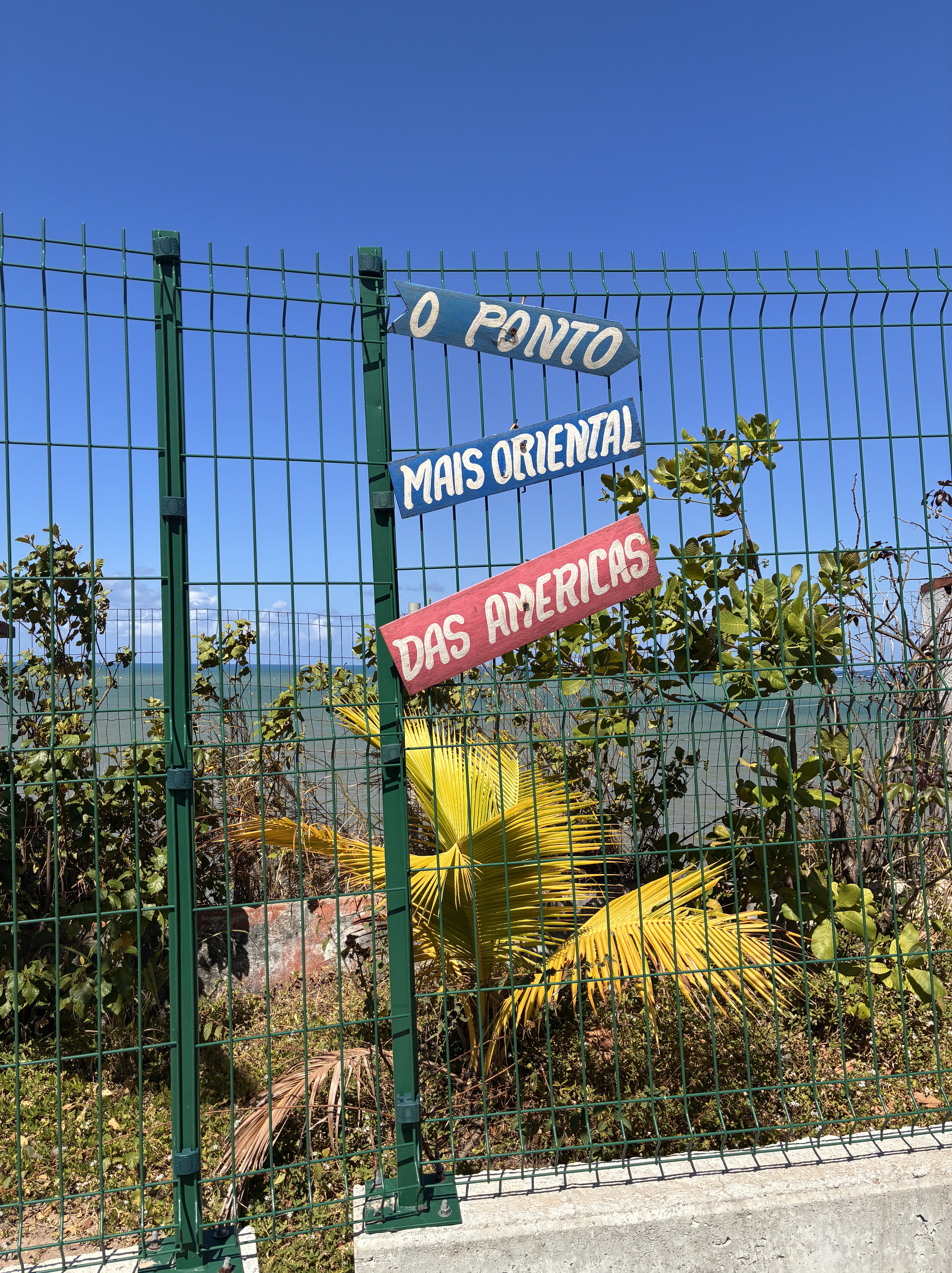
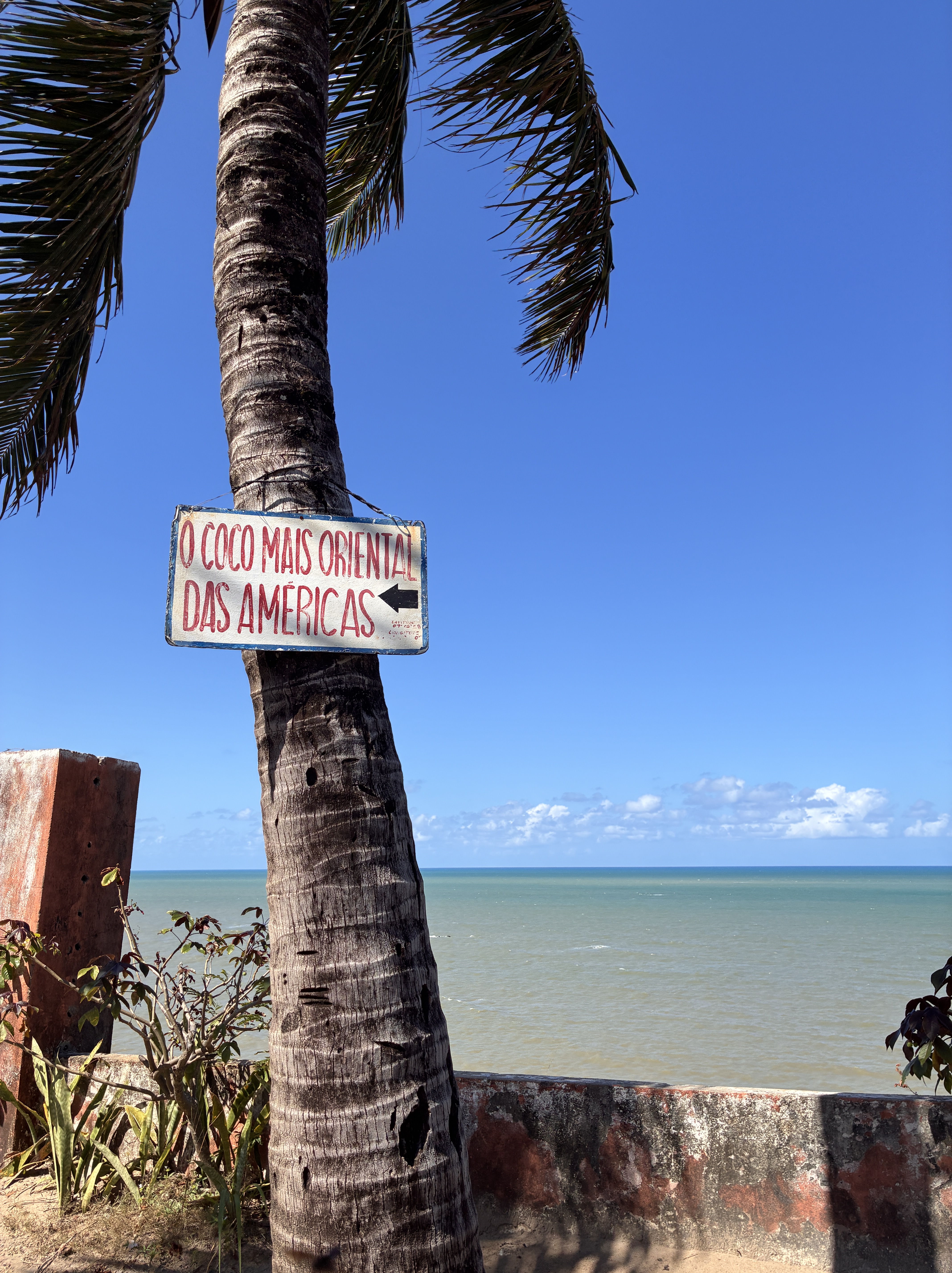
João Pessoa is the place where the sun rises first in South America. Recife often takes that title, but the truth is that the easternmost point in South America sits in João Pessoa, a full two hours north of Recife. You can visit this point right across from the Cabo Branco Farol (Lighthouse).
What does this mean in practice? Well…sunrise is at about 5am each morning. That could be great for some and not so much for others. But it makes the city feel so alive. Each morning, there’s a section of the orla (waterfront) that gets shut down to external traffic so that people can bike, run, skate, and walk to their heart’s content. Photographers are always there snapping shots of runners. You can go online to find these photos and pay a small fee to have the watermark removed from your image. A friend wondered if it was a financially sound venture for the photographers, but it seems plenty of people pay for these photos and put them on their social media and dating profiles.
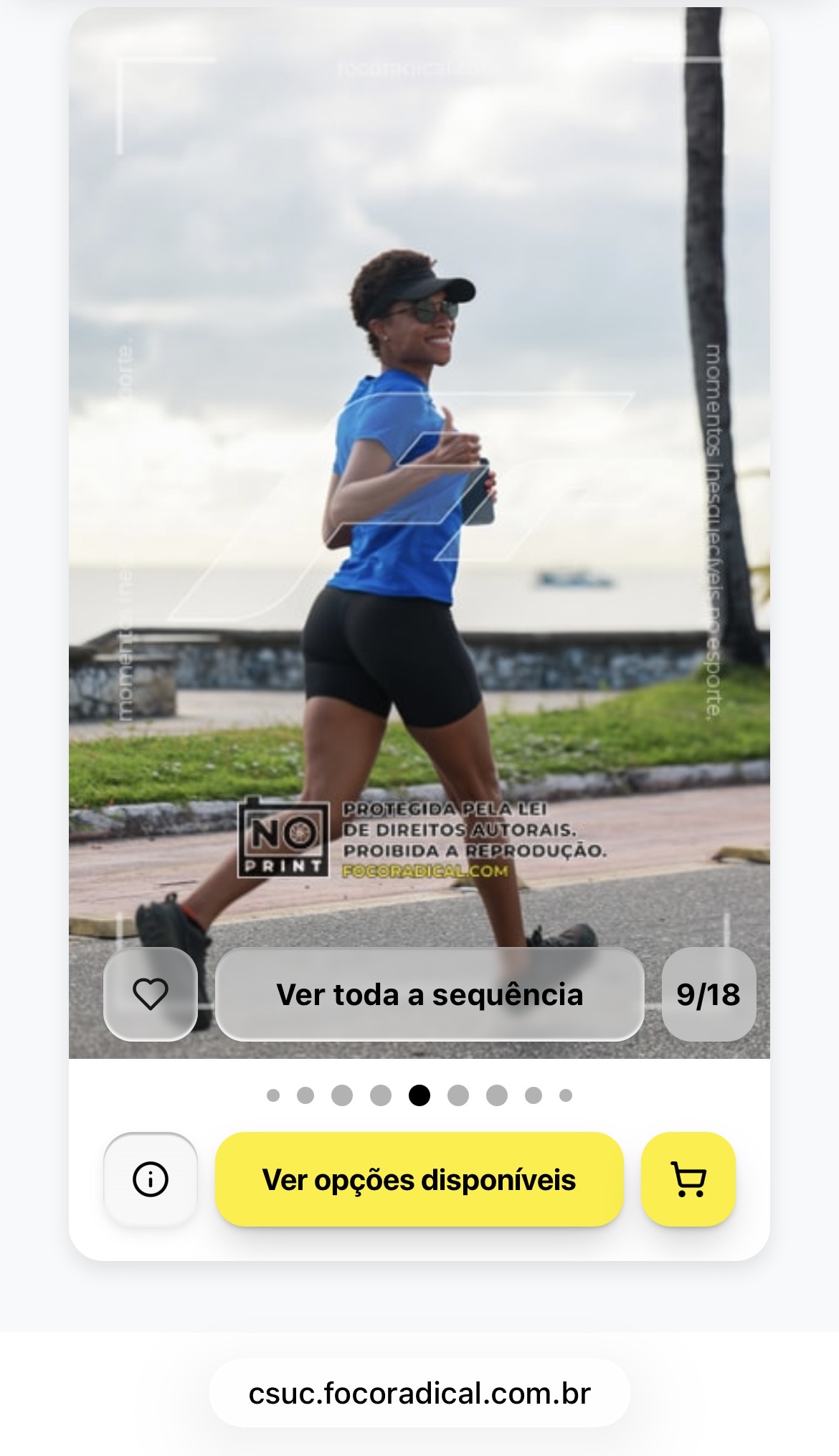
If you’re going to head to João Pessoa with little Portuguese, “orla” is one of those words you should know; it’s a common reference point.
Beaches/Neighborhoods
Those photographers that I mentioned usually set up camp at the Manaíra section of the orla. At first, I found it strange that people so strongly distinguished between Manaíra, Tambaú, and Cabo Branco. Each neighborhood and its respective section of the beach are located one right after the other, and together they only span about 4 miles. But if you’re going to stay in João Pessoa, just know that the distinction seemed quite important to people.
North of those communities are the neighborhoods Jardim Oceania and Bessa. Just north of that is Cabadelo, which despite its proximity, is not considered a part of João Pessoa proper. If you’re looking for slightly quieter strips of beach, these are the areas you might want to consider. Though I’ll say on weekends all bets are off because the sand as far as the eye can see becomes a beach-chair-rental extravaganza. You can still drop your canga (a much thinner equivalent to the standard beach towel) for free on the sand, but it won’t be as much of a private affair.
Note: There’s a strip of Bessa beaches that are more so sea access than beach access; the tides are usually quite high.
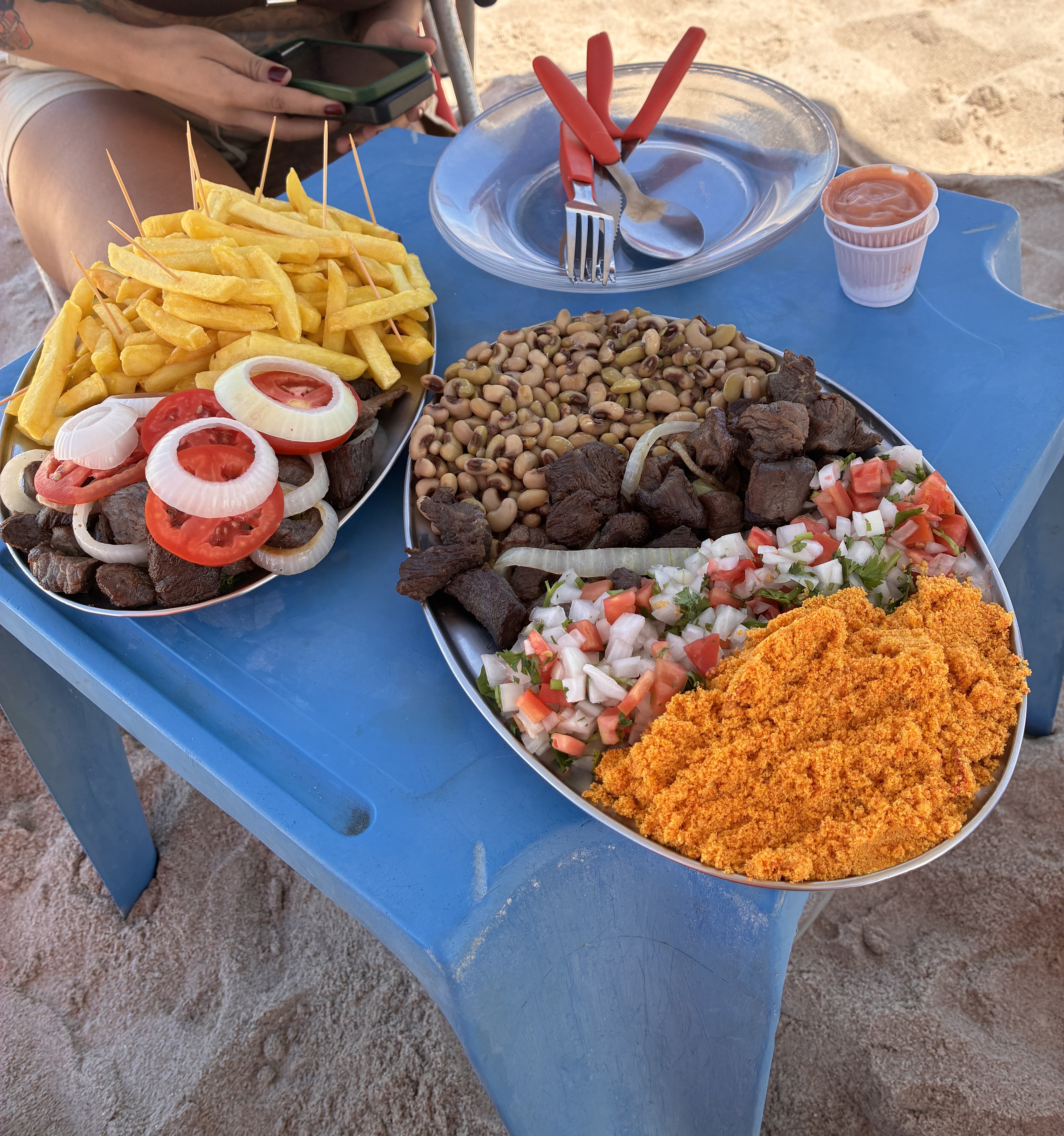
I loved that beach vendors in João Pessoa weren’t at all pushy like can be the case in some places; I’ve heard it’s that way in Rio. Instead, on weekdays you may get people gently offering coconuts for 5 reais (about 1 dollar), ice cream vendors, canga sellers, and a few alcohol stands for things like caipirinhas near the João Pessoa sign, right around where the Cabo Branco section of beach begins. Weekdays have much more extensive vendor offerings, like shrimp, alfajores, costume jewelry, and I even saw a woman selling full charcuterie boards accompanied by a bottle of wine — genius!
I spent some time on the beach with a friend one weekend morning. To our right was a group clearly in vacation mode. When I tell you, they bought something from every single vendor that came by. Their beach table was overflowing with goodies. It was a lovely thing to witness.
I absolutely adore the beach culture I experienced in Brazil.
I did as the Romans did and loved folding sand into the corners of my canga so that it would stay in place all day and looping my arms through my sandals so I could walk hands free for a few miles along the beach. João Pessoa also has a wonderful luau culture (yes, this word comes from the Hawaiian word, lūʻau), which is essentially a party on the beach. Some of these luaus coincide with the full moon, and if you can experience it, they are beautifully energizing.
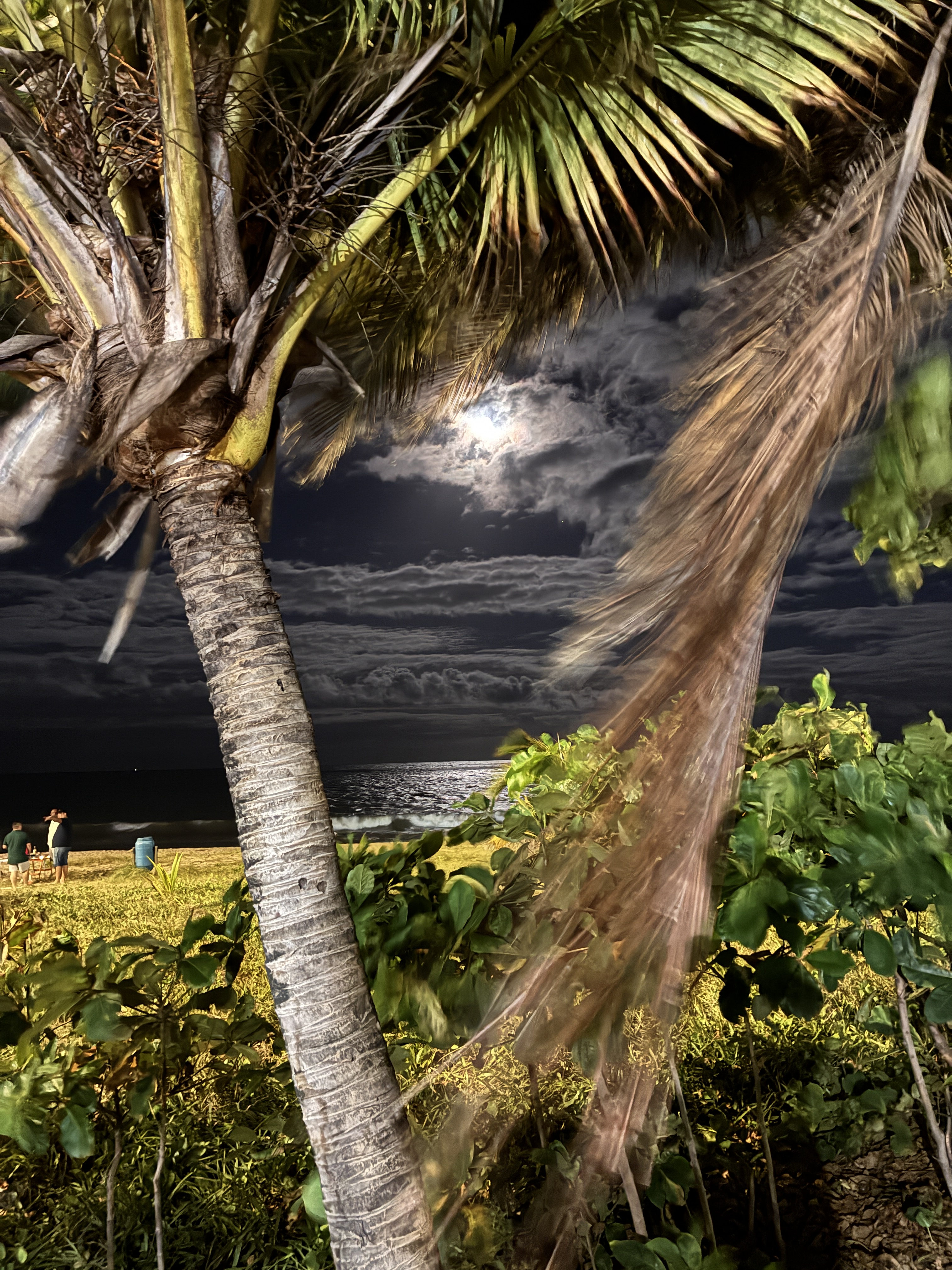
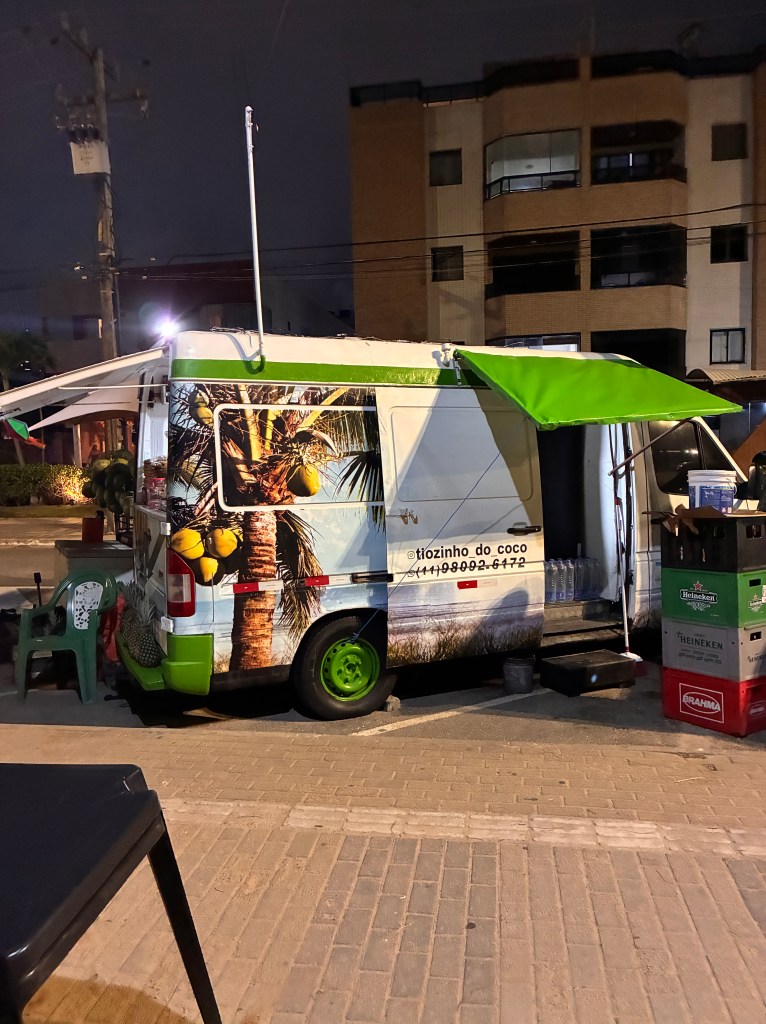
One of my best nights was at a Samba luau at a section of the beach labeled “Som na Calçadinha” on Google Maps. As with many of these beach affairs, there were grilled skewers (espetinhos) and caipirinhas.
The best caipirinha I had my entire time in Jampa was here at a street food truck. It had fresh crushed pineapple and lime chunks and I asked for only a dash of the characteristic sugar; absolutely divine.
To the South
Buggy Tour
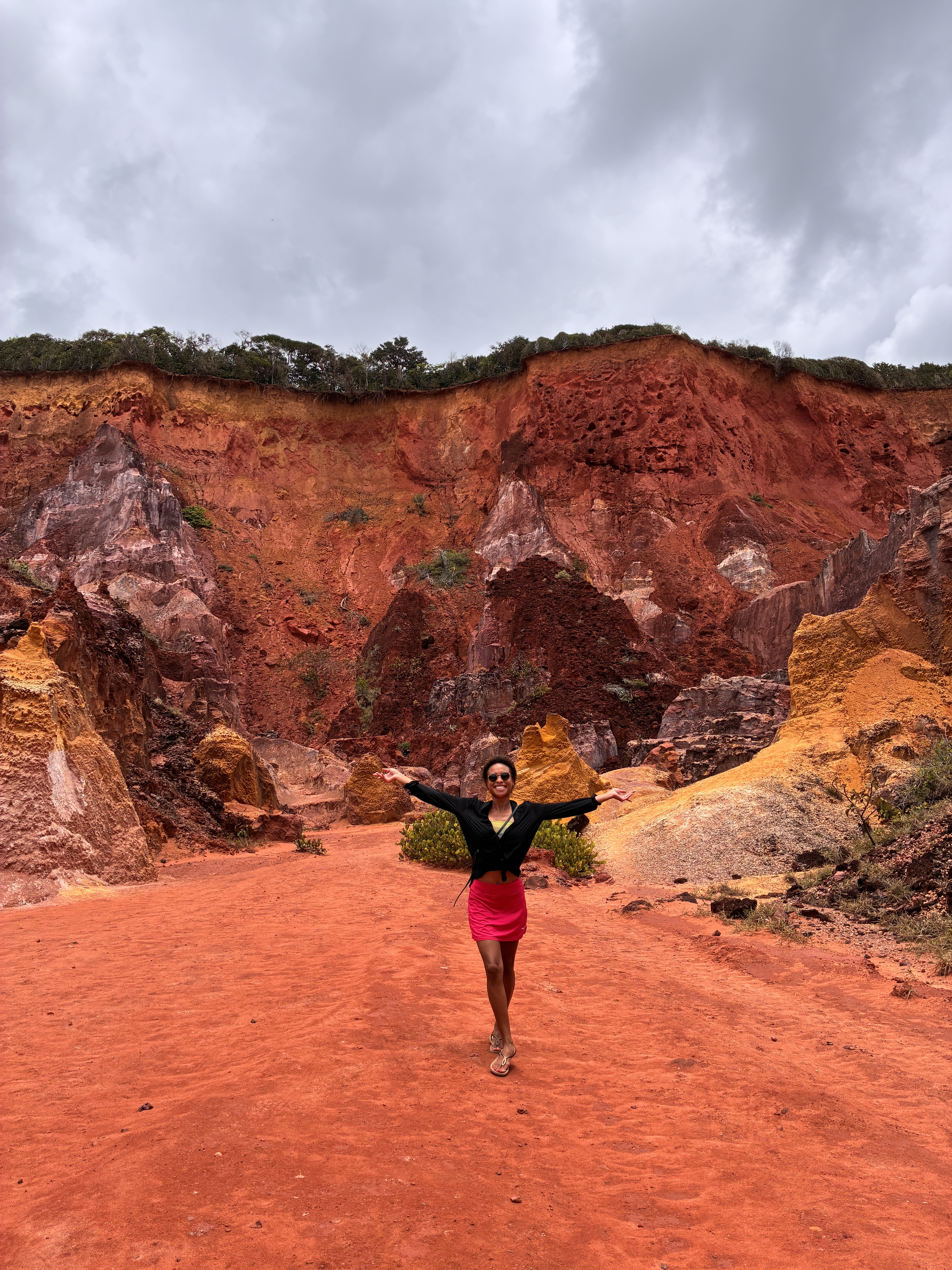
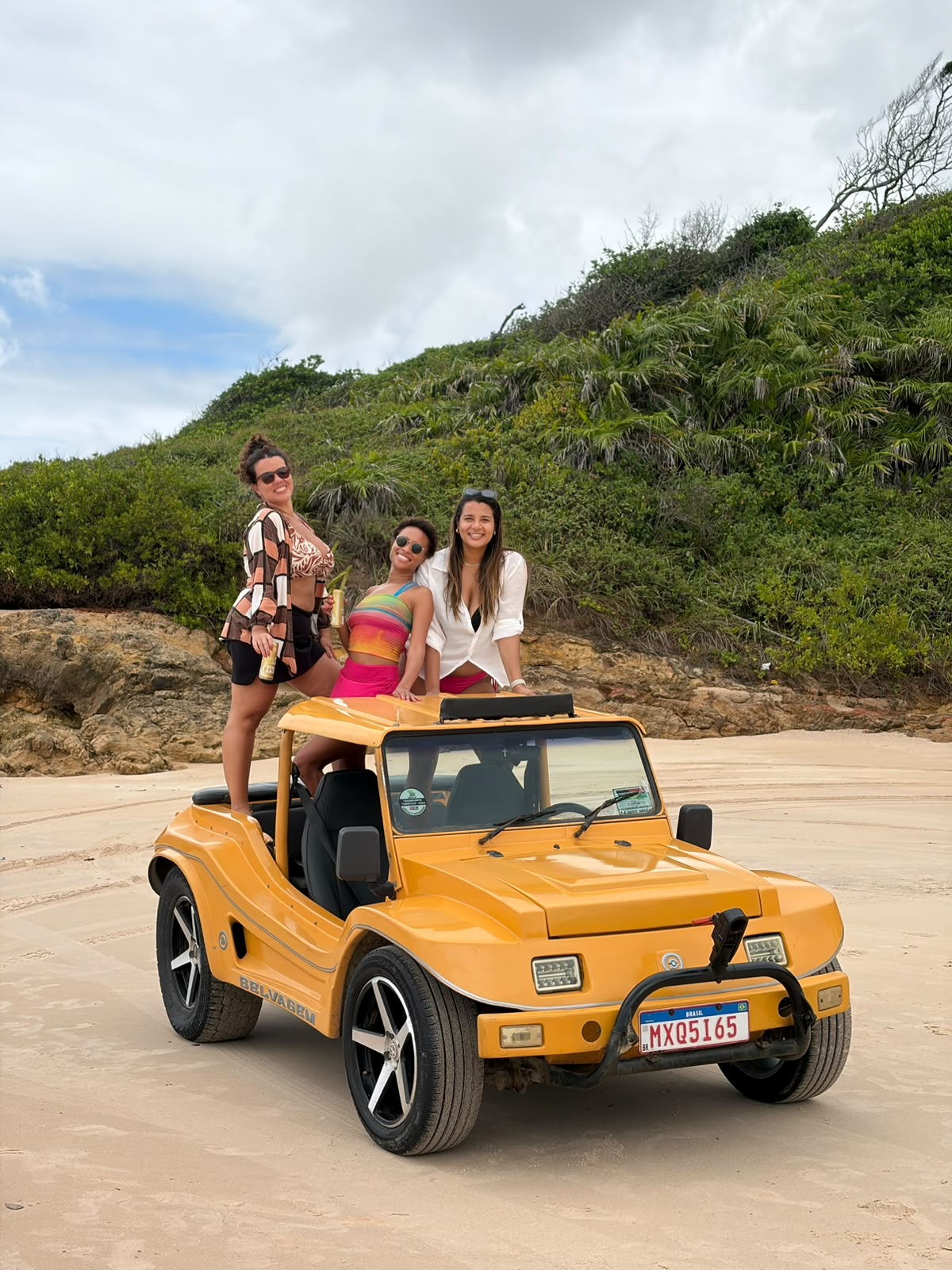
If you’re looking to get out of Jampa for a day, you can book a buggy tour. I figured I wasn’t going to do one during my time there, but a Brazilian nomad friend invited me to go with her and her friend from São Paulo, who was on a bit of a backpacking trip. Sometimes going with no expectations makes things that much better. I was blown away by the beauty of the colorful geological formations to the south. And there’s a bit of adrenaline added, if that’s your thing. The driver of our buggy ended up in a race across the beach against another driver and his three passengers. There are also areas with views from some cool heights.
To the North
Pôr do Sol do Jacaré (Sunset at Jacaré)
This is a special experience and one of the most famous things to do in Jampa. I got to go twice, and both times were actually with people I met at the language exchanges I organized (we’ll get to that). Essentially, there’s a man playing a saxophone on a little boat in the ocean as the sun sets. He apparently does this every single night of the year and has been doing this for years.
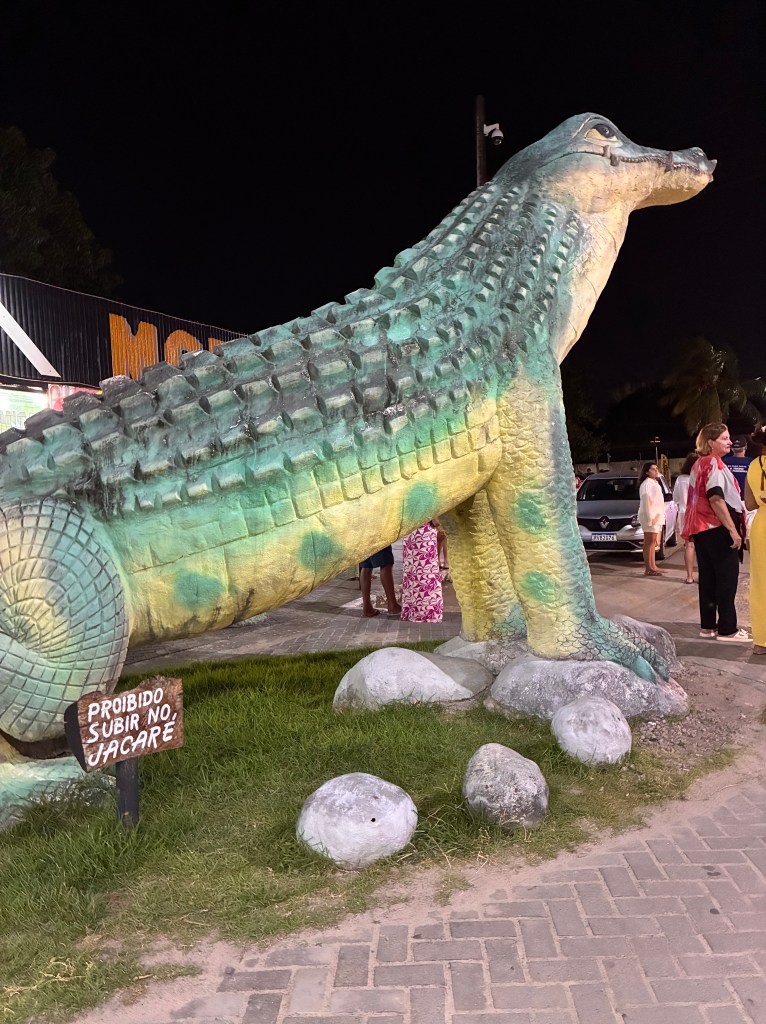
Some people rent boat tours so that they can be in the sea and close to him and others flock to the water’s edge to watch from land. The person I went with on my second trip asked me if I thought it was actually a pre-recorded track, and it was nice to hear someone else verbalize a thought I’d also had. Who knows, perhaps he really is playing and what we’re hearing from land is a feed directly from the boat. But either way, it’s a worthwhile experience. You can show up early to buy some snacks like popcorn, drinks like caipirinha and beer, souvenirs or clothing, and have dinner at a local restaurant afterwards.
Jardim Botânico
Listen…just message this place before you go. We skipped a day when their Google schedule said they were closed and went instead on a day that indicated they would be open. I arrived first and through my broken Portuguese learned from the security guard that they were in fact open on the holiday they’d listed as out-of-operations and closed on the day I’d shown up. I was already sweating in my leggings and long sleeve shirt, both of which I’d only worn in order to enter the grounds. But whatever, we came back the following day.
This place has a couple of rules:
- You can only visit with a free guided tour, which takes place twice a day (free roaming is not allowed)
- You must be wearing long pants to enter (kind of annoying since it is hot as all get out and there didn’t seem to be much of an issue with biting bugs or scraping branches)
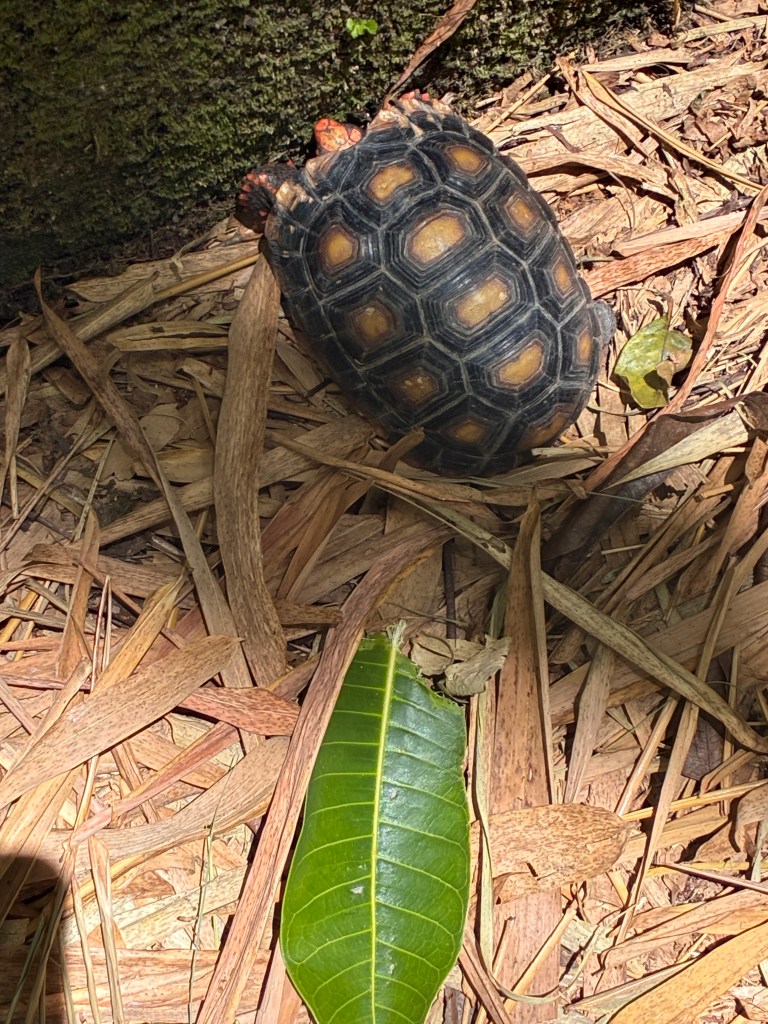
When you reach out in advance, see if there will be a school group visiting as it would be best to avoid this. The school trip that was there the same time as us were kind of a lot, but they were wearing their adorable police military school uniforms, so perhaps that’s as well behaved as you can expect. Thankfully, the tour guide dropped the children off after the first trail and took only the adults on a separate trail so we could have a moment of quiet immersion in the forest. We even got to see a caiman! It thrashed away when it heard us coming and scared the bejeezus out of me.
Tours are only done in Portuguese, so I did the best I could with comprehension and then debriefed after with another friend I met at one of my language exchanges to fill in the parts I’d missed. If you have limited time in Jampa, I say skip this botanical garden. Go if you have a ton of time, want to practice your Portuguese listening skills, or are enamored with forests.
NomadTable
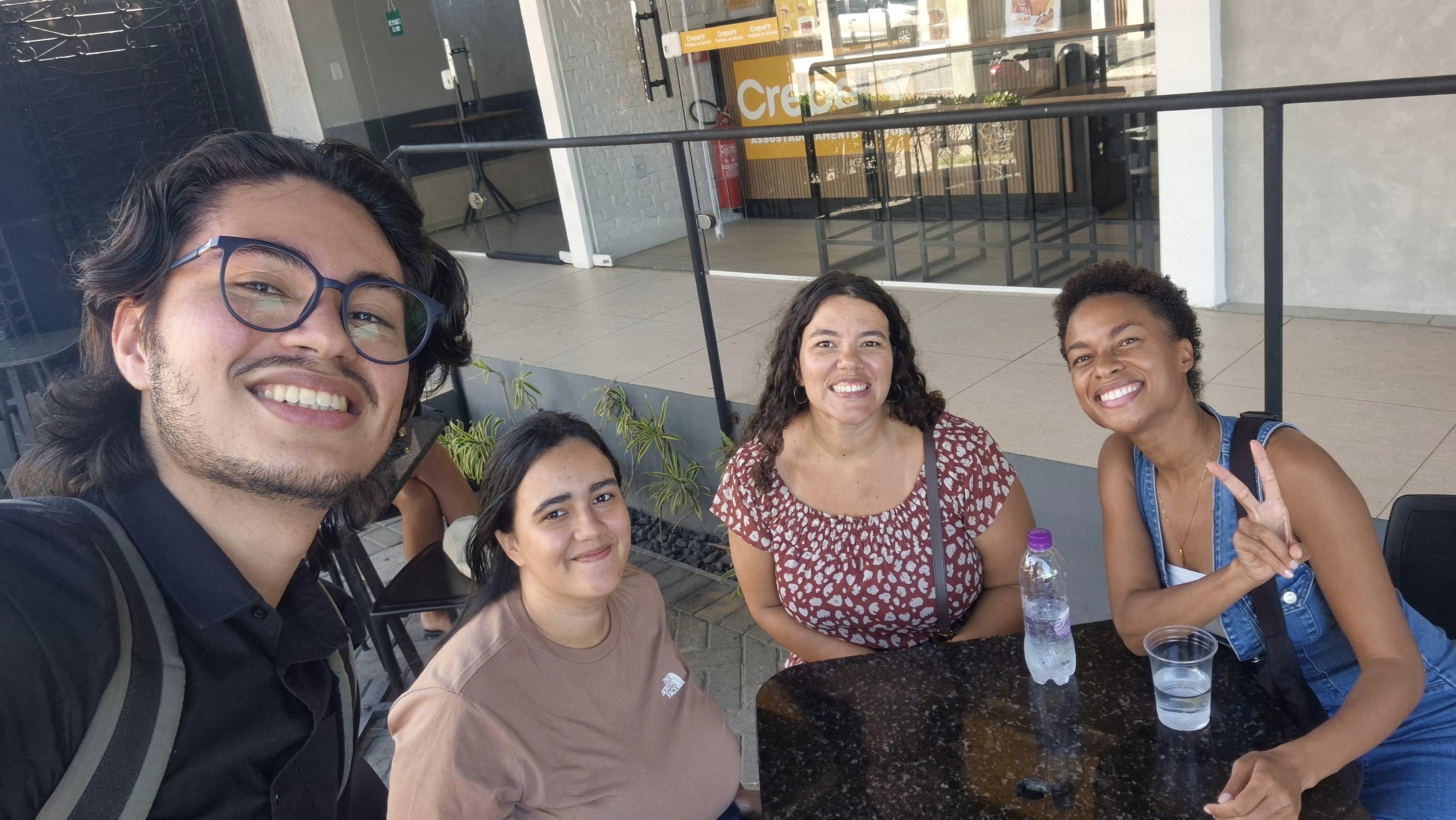
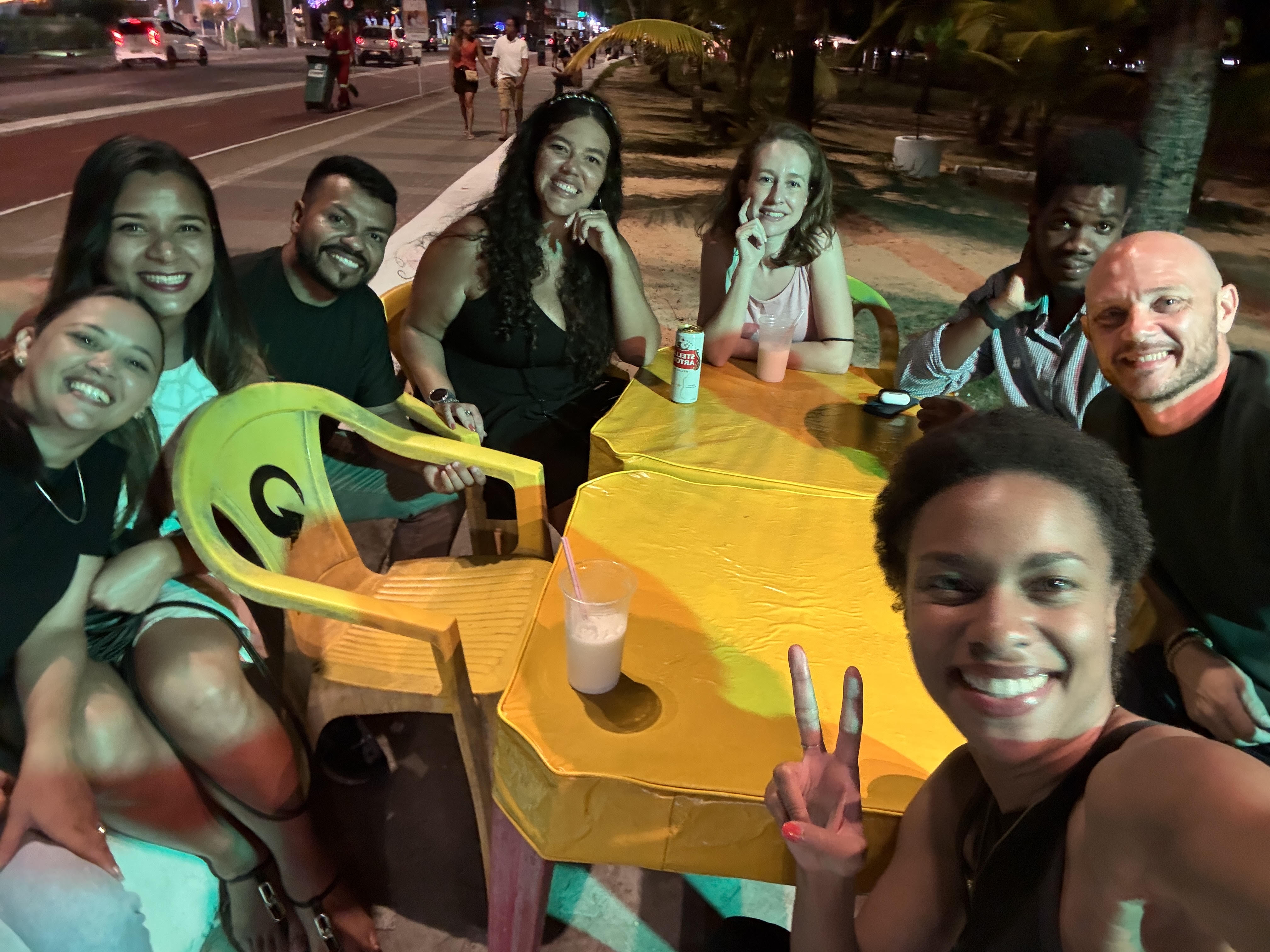
I keep bringing up language exchanges, so let me get to it: João Pessoa is the best city I’ve experienced for NomadTable. You’ve seen me list some cities as a dead zone for NomadTable and others that are only filled with people meeting up to party. With the beach just steps away from most people in João Pessoa, you see a lot more events focused on going for a stroll, run, bike ride, or skate along the orla. That’s my kind of party.
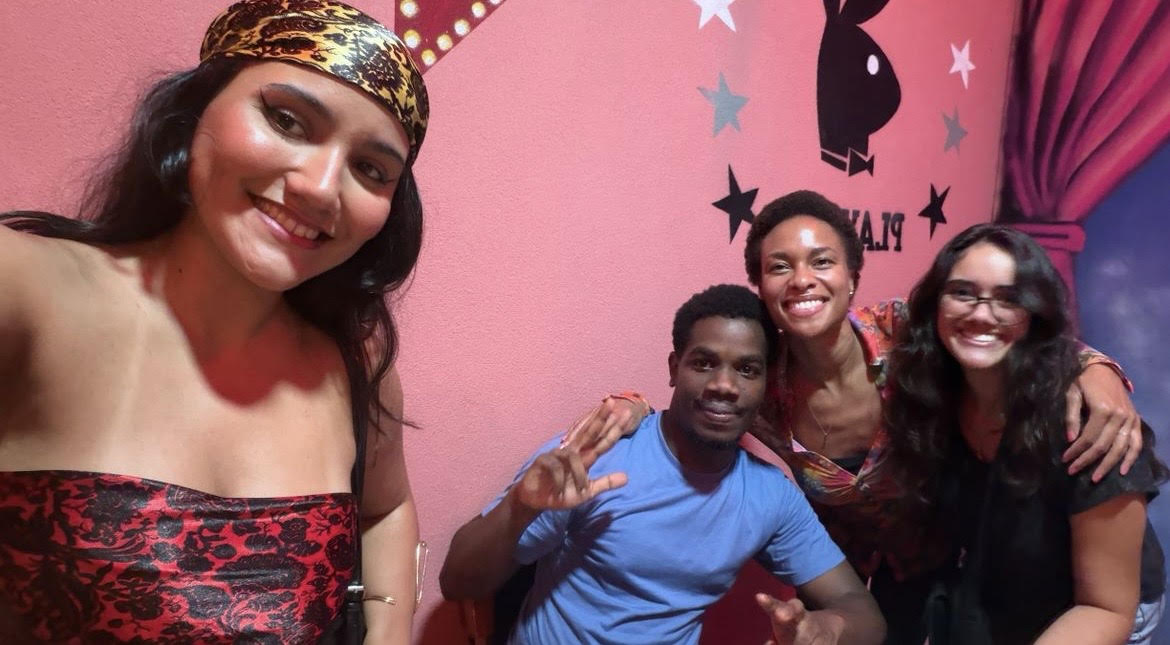
I also created my greatest amount of NomadTable events ever while in Jampa because I needed to host language exchanges to improve my Portuguese. There was generally a lot of interest in these events. Some people had never had the chance to practice their English skills with a native speaker or met someone from the US. Plus, these events were also a great way for people to meet other travelers passing through. I met people from various places in Brazil (of course), Russia, Cape Verde, Argentina, Switzerland, etc. Jampa unfortunately doesn’t have TimeLeft, but perhaps it will in the future. I can see it appealing across age ranges in the city considering the retiree population, and there are wonderful restaurants at different price points.
Learning Portuguese
The other reason I chose João Pessoa is because I figured if I was going to learn Portuguese, I may as well get full-immersion. And boy did Jampa provide! The city is known by Brazilians as a vacation destination, but it’s not all that international, so you’ll be doing everything in Portuguese. After a disorienting series of three flights and no more than a few hours of sleep, I arrived at my short-term rental and had to get a rundown from the apartment’s owner in Portuguese. That was probably the toughest moment because I desperately craved a shower and to tear off my travel clothes ,now sticking to me under Jampa’s heat (it’s hot year-round in that portion of Brazil). But she, like nearly every single person I met in Jampa, was so kind.
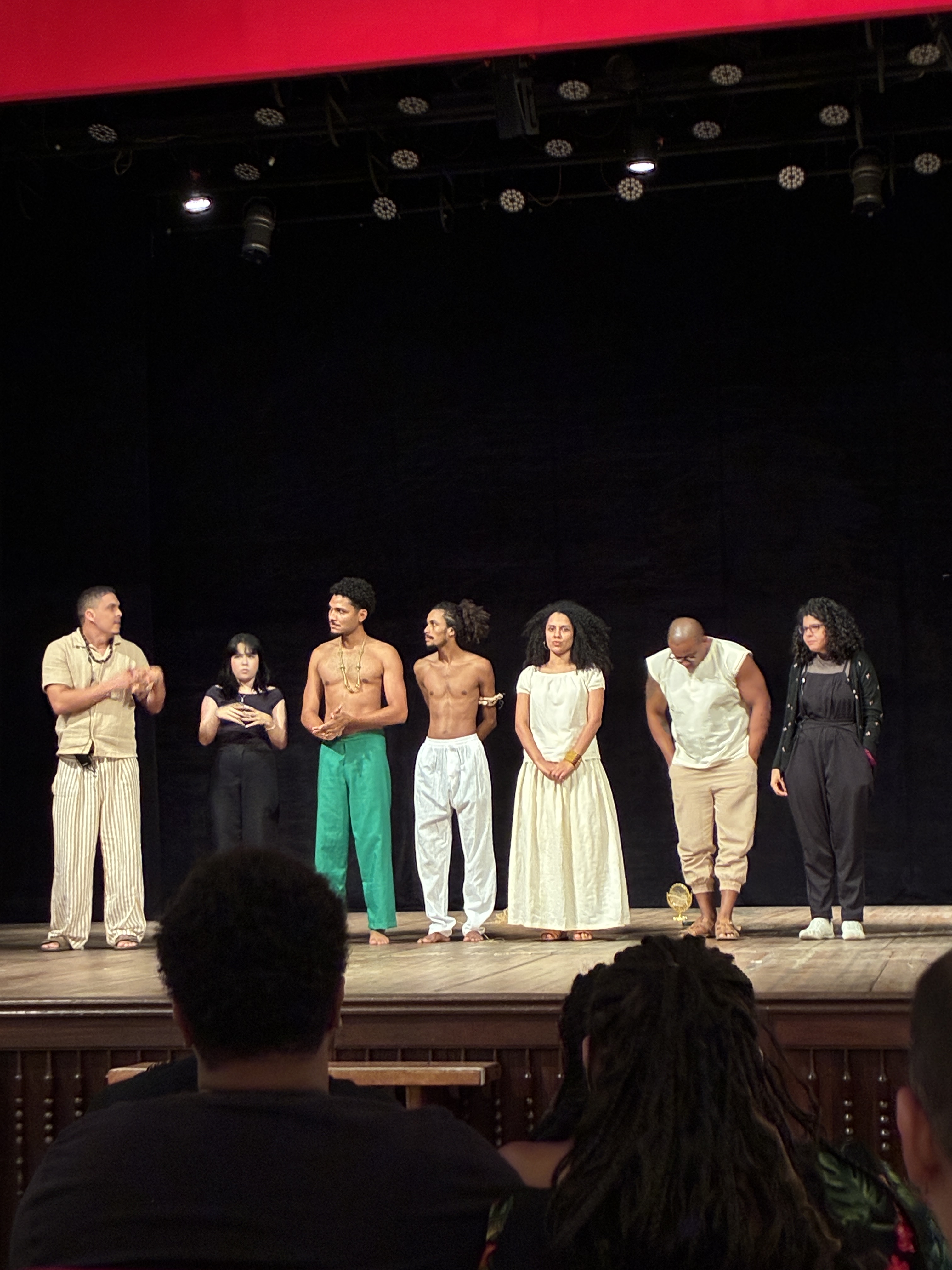
I find it cool that the accent in João Pessoa is much more delicate than that of, say São Paulo. For example, in Jampa, words that end in ‘te’ don’t have as much of a ‘ch’ sound, and the ‘e’ is not dragged out. But unfortunately most of my study materials focused only on São Paulo and Rio accents.
Speaking of study materials, I really was just throwing things at the wall to see what would stick. I briefly dipped back into Tandem and no longer felt guilty that I’d deleted my old account with all of my language exchange references. I also tried out Busuu and Pimsleur. To be honest, it didn’t cross my mind to do a review on them at the time. What I can say is that they served their purpose well, but neither was 100% free, so once my trials or access to new material was up, I let them go. I used other apps like Clozemaster and Memrise. The latter is engaging, but I think they would have kept me using it every single day for months on end if they preserved your streak after missing just one day lol. Small, but that’s kind of an industry standard with most language learning apps. I’m a firm believer in getting as much input as you can when studying a new language, so feel free to give them a shot.
Museums
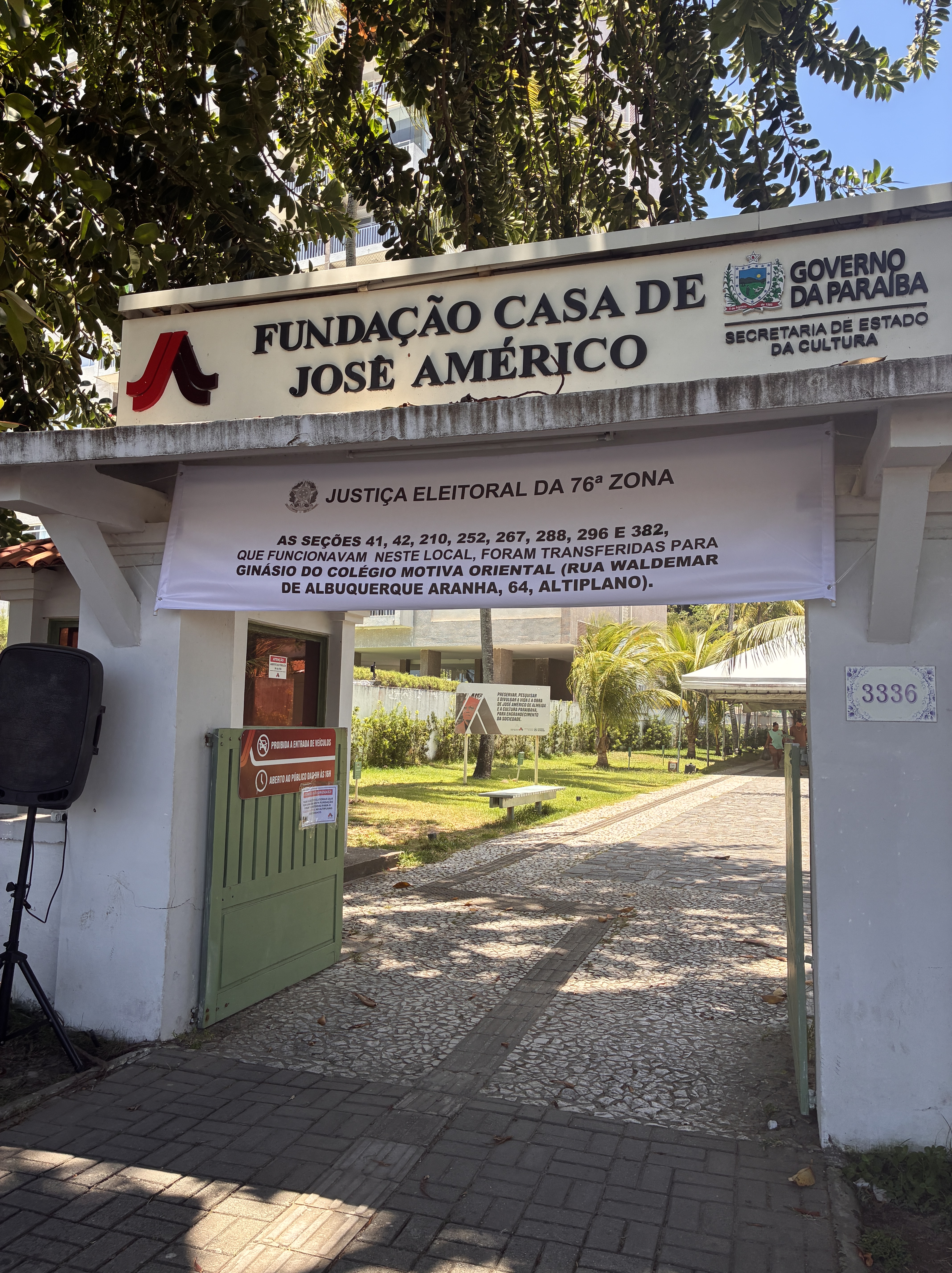
Fundação Casa de José Américo
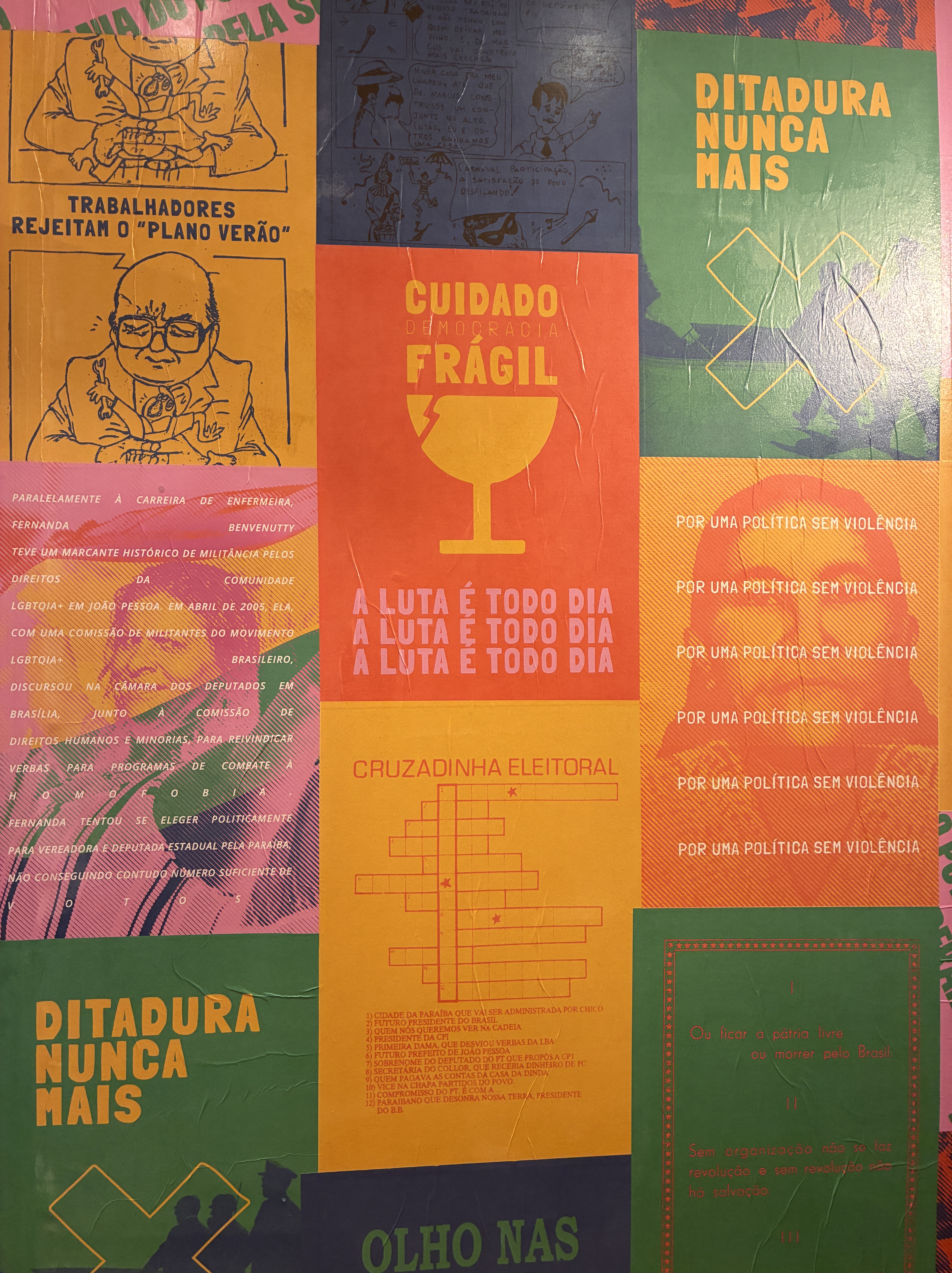
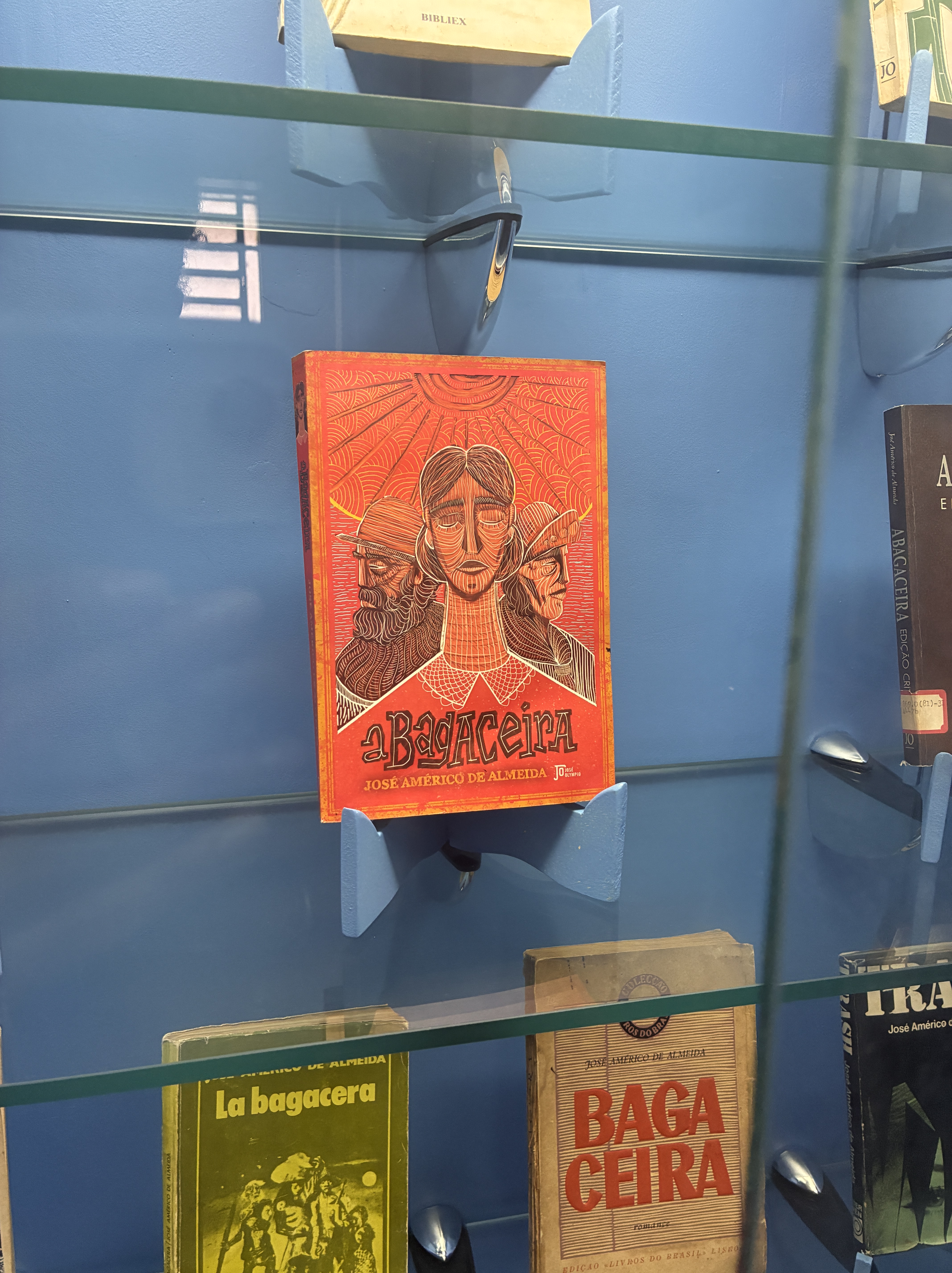
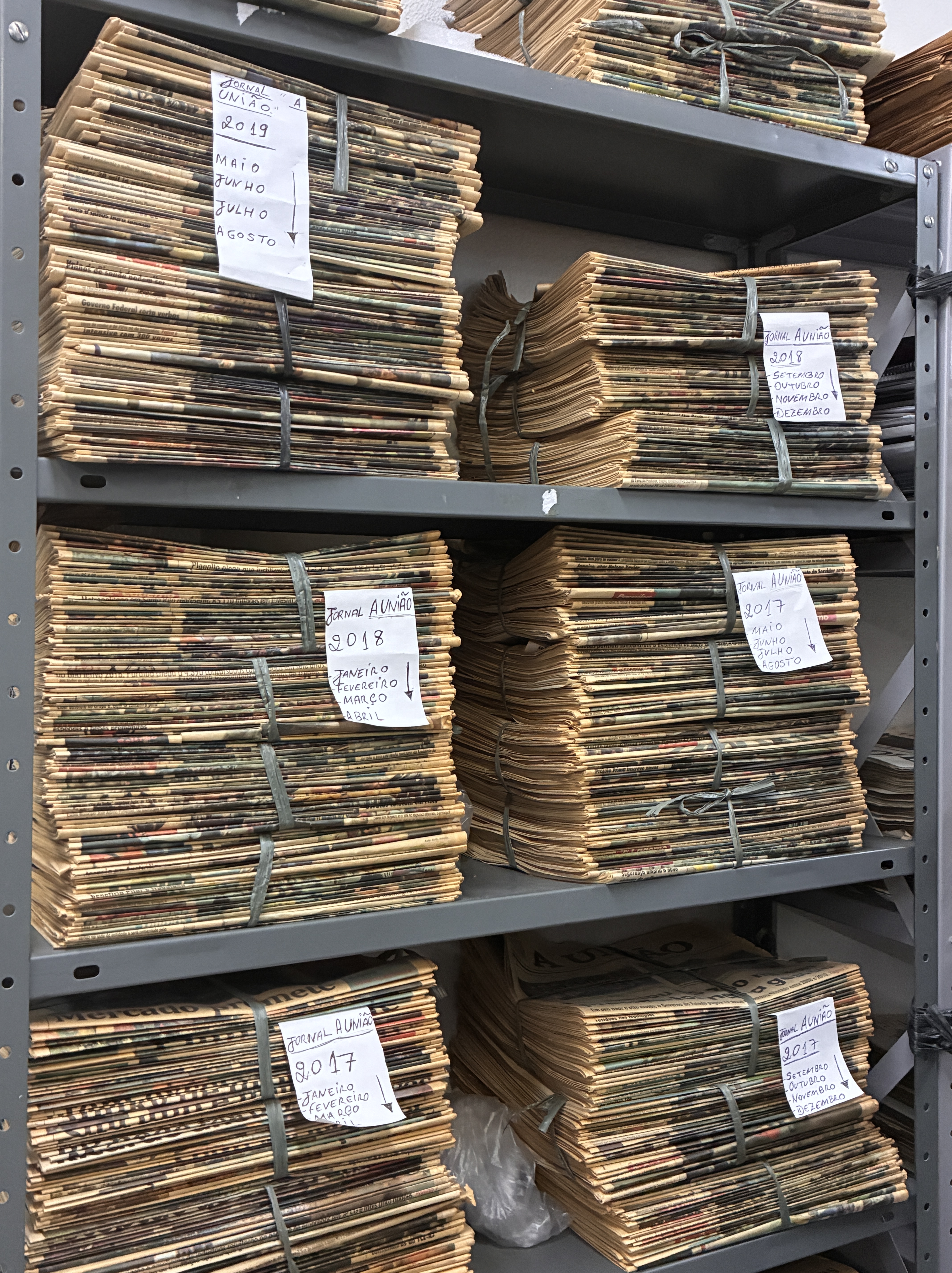
This cultural institution is part museum, part archive, and part research center. It is the former home of José Américo, an artist and politician well known for his works of literature. There is also a farmers market on Fridays. I aspire to have my novels published one day, so it was cool to hear about someone whose writing was so influential. He was also dearly loved for participation in the revolution, creating access to higher education, and overall resonating with impoverished Brazilian communities. It reminded me of Museo Dr. Rafael Ángel Calderón Guardia in San Jose. There is even a section with archaeological artifacts and my favorite, a room filled with archived newspapers spanning decades. The smell of the paper in that room was chef’s kiss!
Museu Casa de Cultura Hermano José
Hermano José was an artist who moved into his home when most of the land around Jampa’s beaches was solely for agricultural purposes. You can see some of the many pieces of china that he collected throughout his life as well as how his home was arranged during his time. There are also exhibits of contemporary artists. You have to explore the museum with a guide and since I was feeling shaky in my Portuguese, the attendant gave me the tour in Spanish. He had lived in Spain for many years, and although immersion is important with learning a new language, I’ll admit that it was nice being able to actually understand everything he said rather than understanding bits and pieces in Portuguese. Once you’re done there, you are just steps from a wonderful section of the beach.
Museu da Cidade de João Pessoa
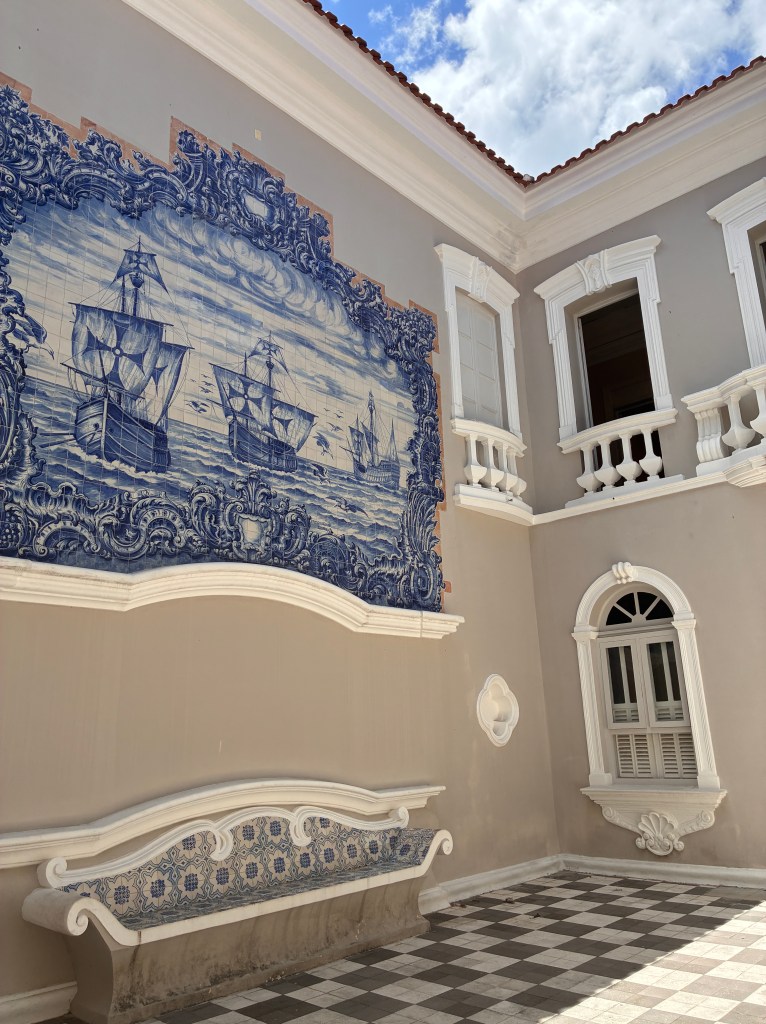
Here you can learn about the interesting history of João Pessoa.
By this point, I realized it was common for museums in the city to essentially require you to walk through the museum with a guide. This one had about half a dozen throughout. I found it interesting since signage alone would have been sufficient to understand what I was looking at, but that was often sparse. I started to wonder if it was in an effort to create jobs? I personally like museums as a quiet places where I can roam freely, and I would have appreciated a lower cognitive load. But hey, language practice is language practice!
Estação Cabo Branco – Ciência, Cultura e Artes
This center is close to the eastern most point of the Americas as well as the Cabo Branco lighthouse, so you can combine the two (the lighthouse also has an amusement area for kids nearby as well as options for souvenirs and clothing).
It features plenty of art and the buildings on the grounds are free to enter.
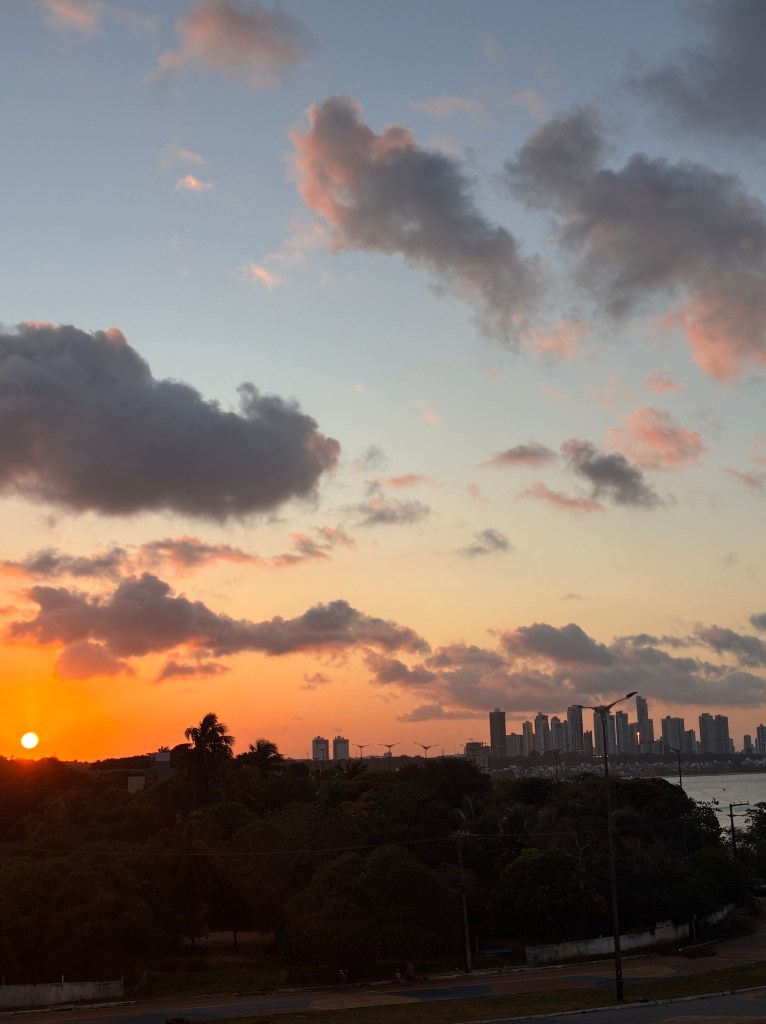
Take note that the rooftop of the main building is a great viewing point at sunset!
Cafés
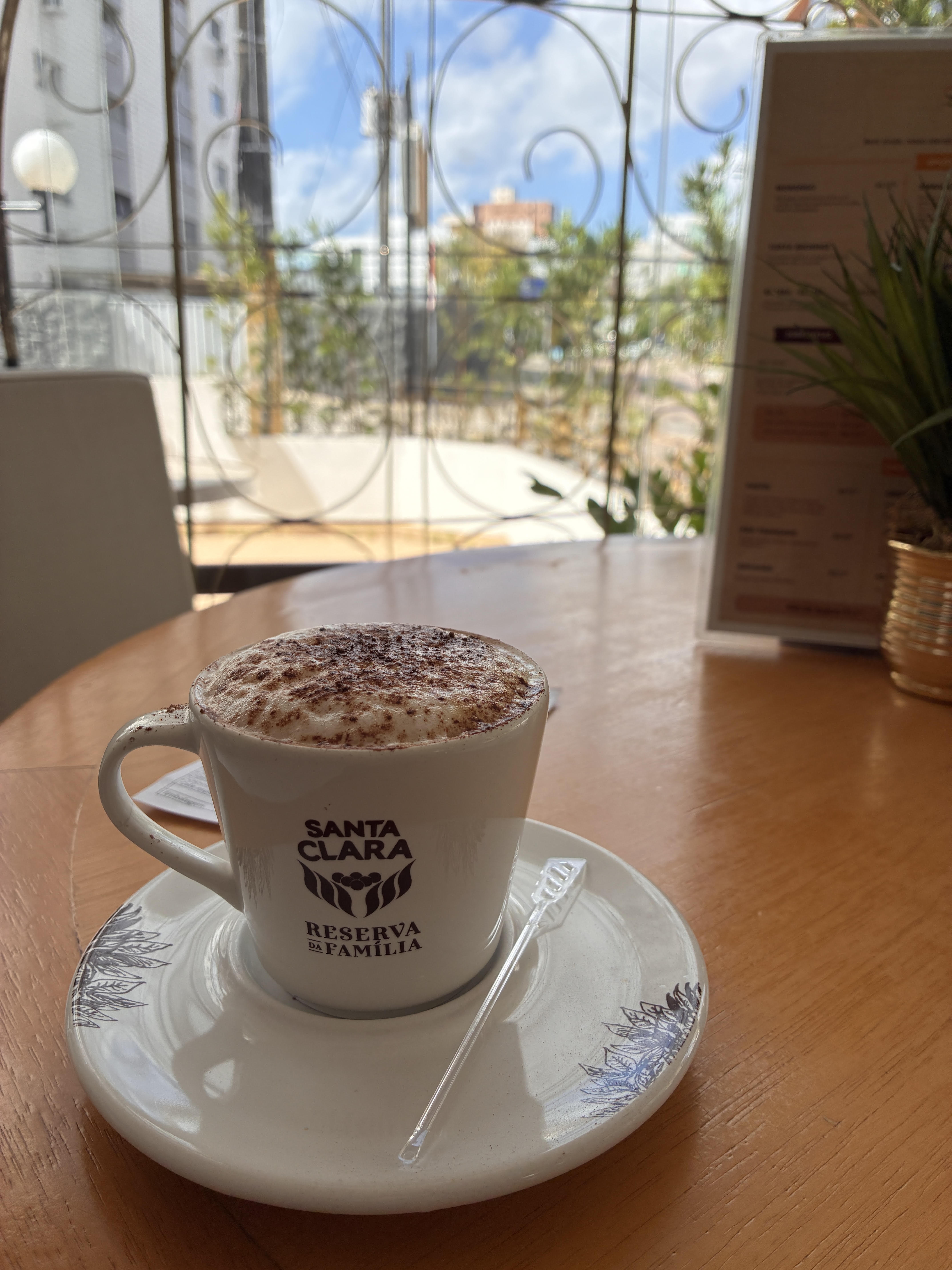
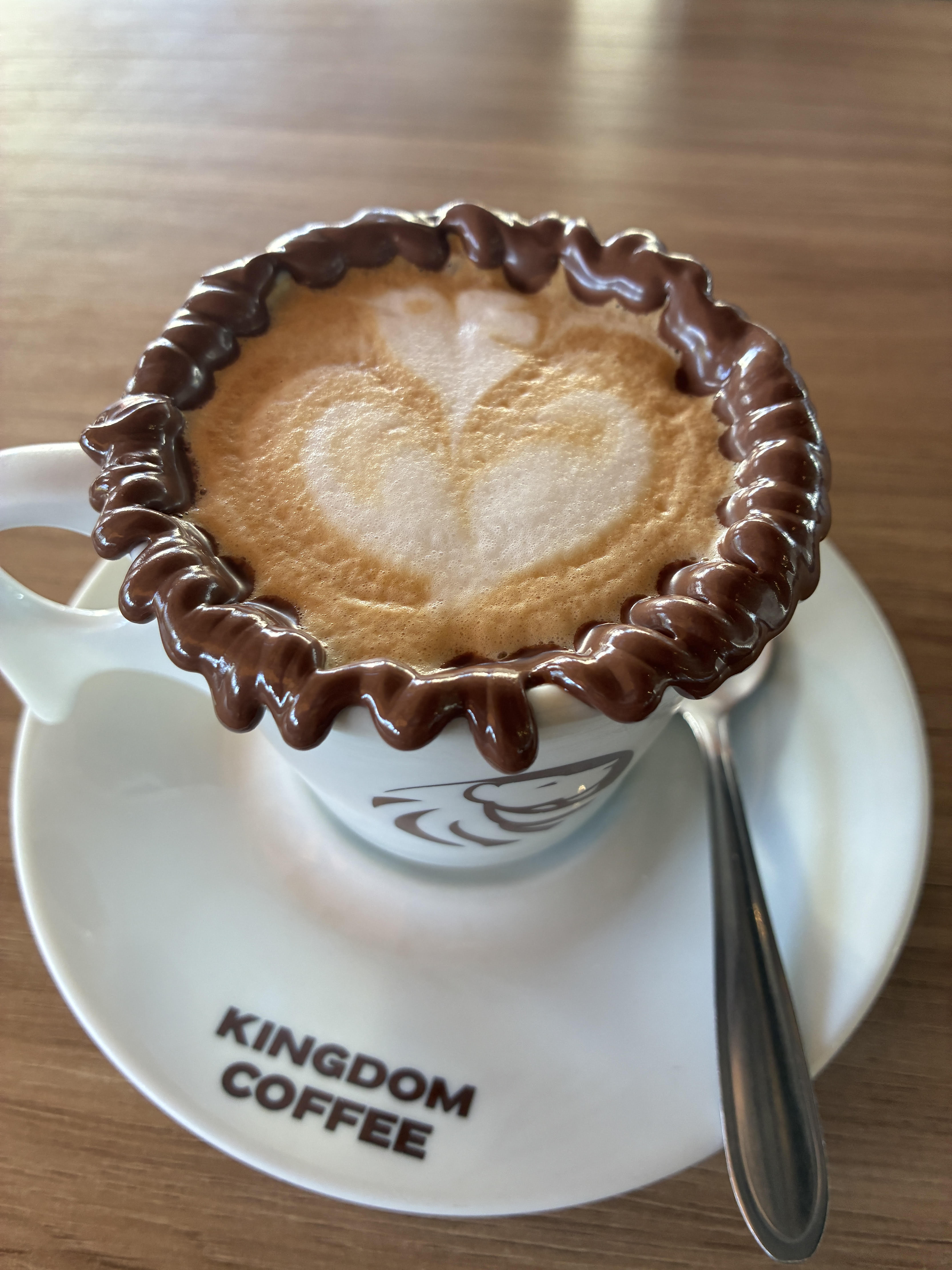
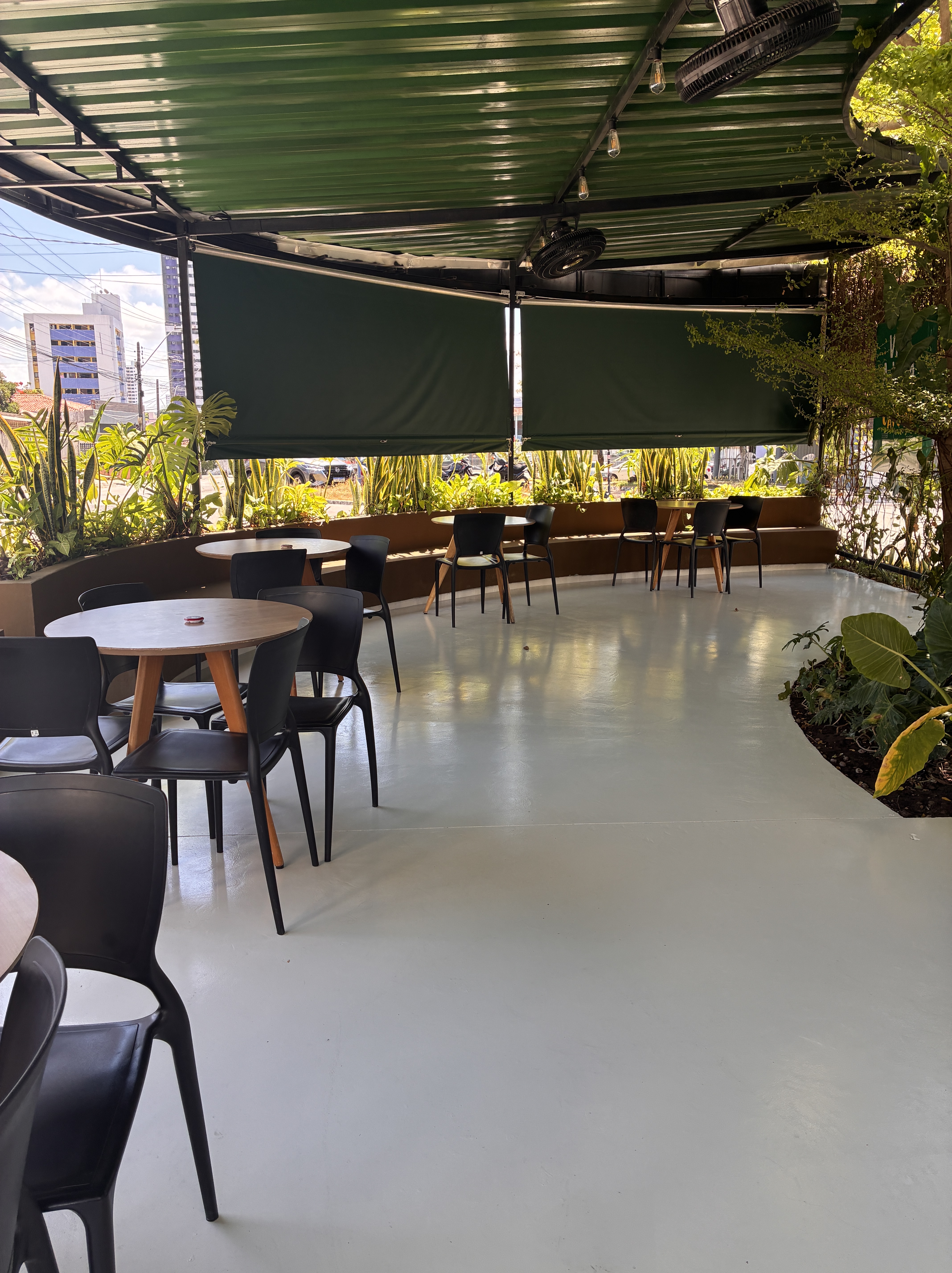
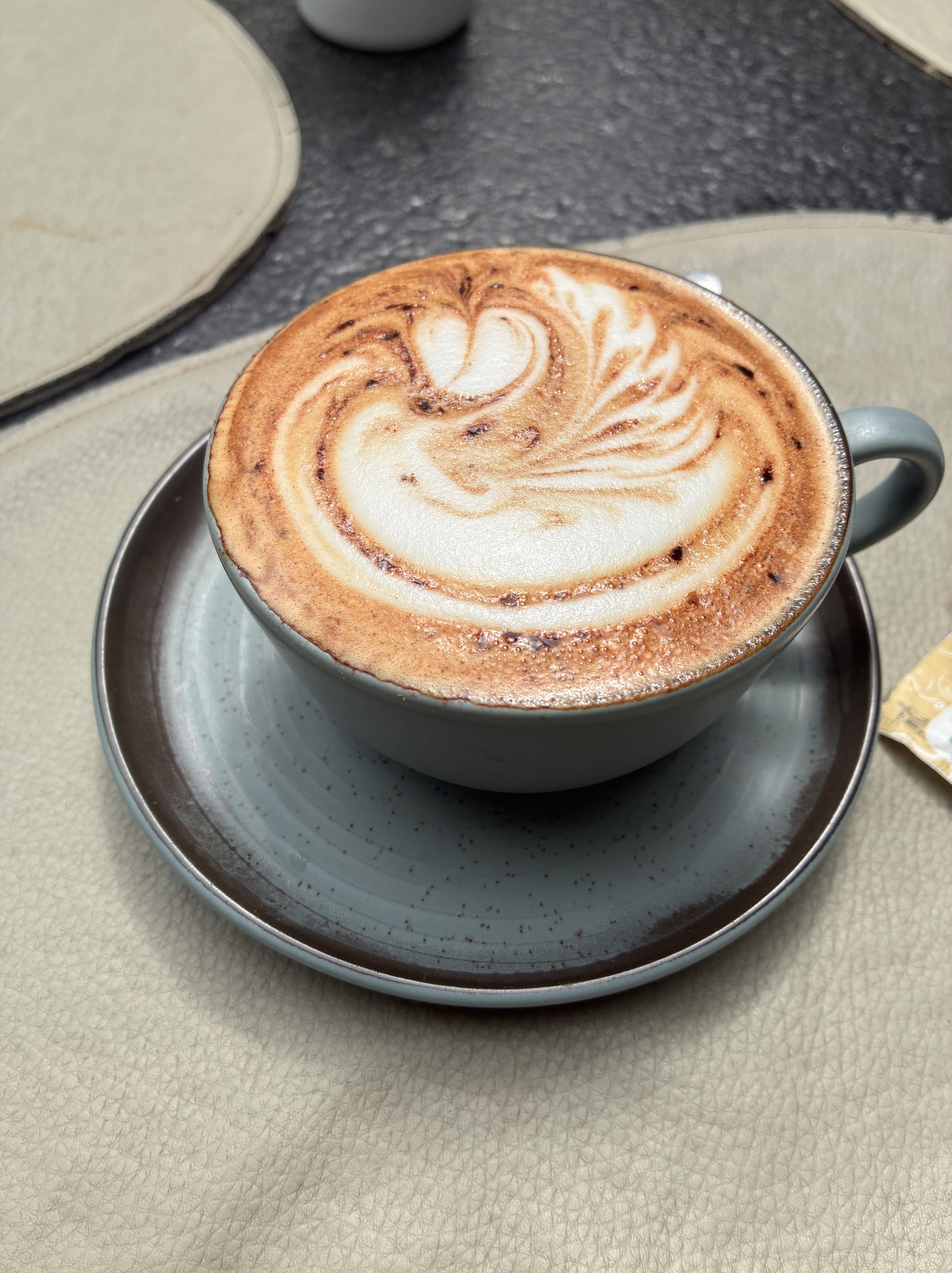
I spent my first two months getting to know the various cafés around Jampa because that’s where I got the bulk of my Portuguese studying done. There were unfortunately little to no cortados to be found; Spain really is the gold standard for that lol. But Brazilian style cappuccinos with cinnamon and chocolate were common. Many are on the sweeter side, sometimes even having Nutella swirled around the rim. Here are some cafés I would recommend:
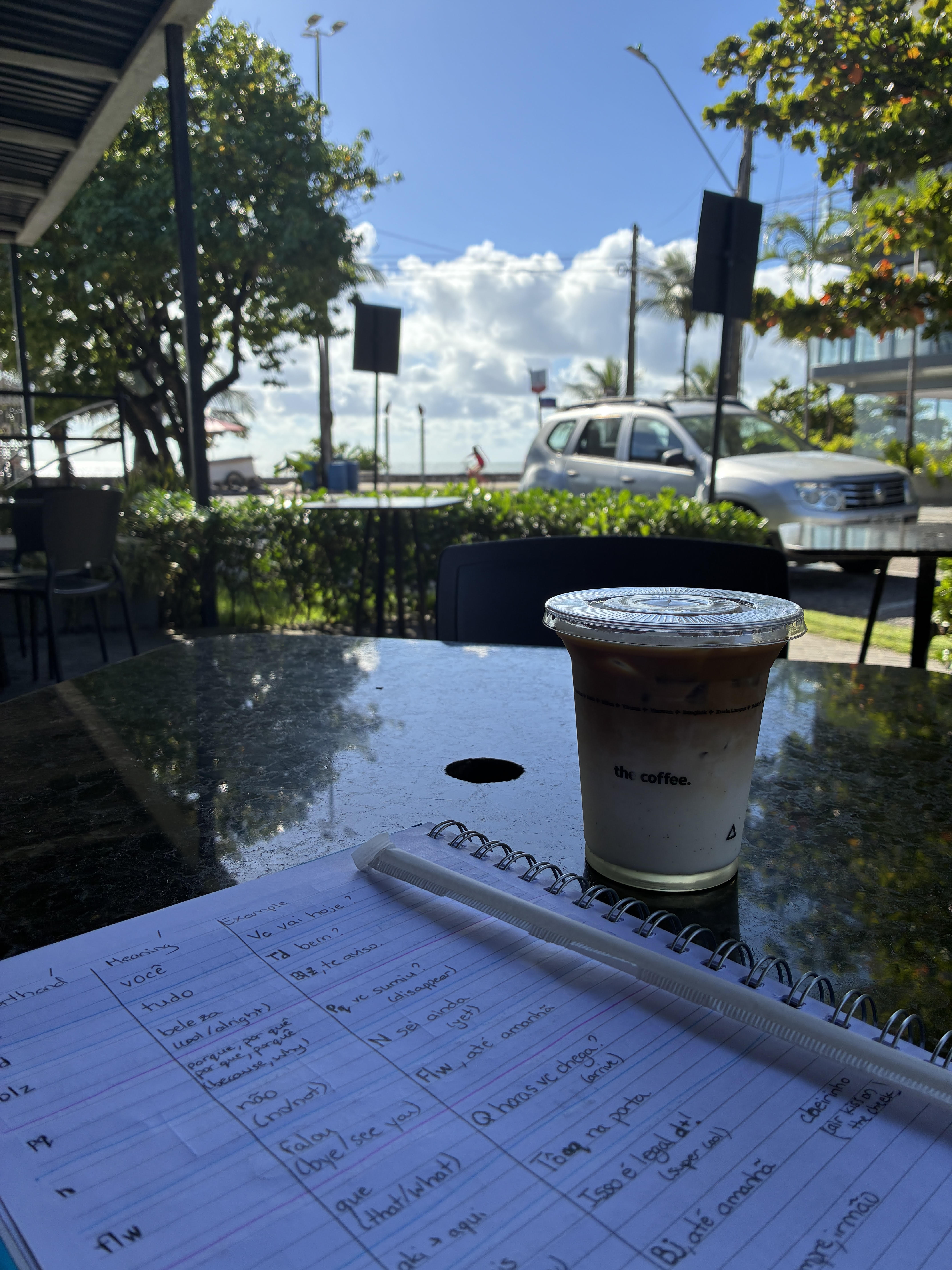
- The Coffee in Manaíra
It’s small, but the outdoor seating is completely covered and comes with a decent view of the beach.
- La Trufel in Tambaú
This can be a great place to buy a fresh rotation of pastries, though some items sit overnight. I once had a fresh and divine chocolate stuffed chocolate chip cookie.
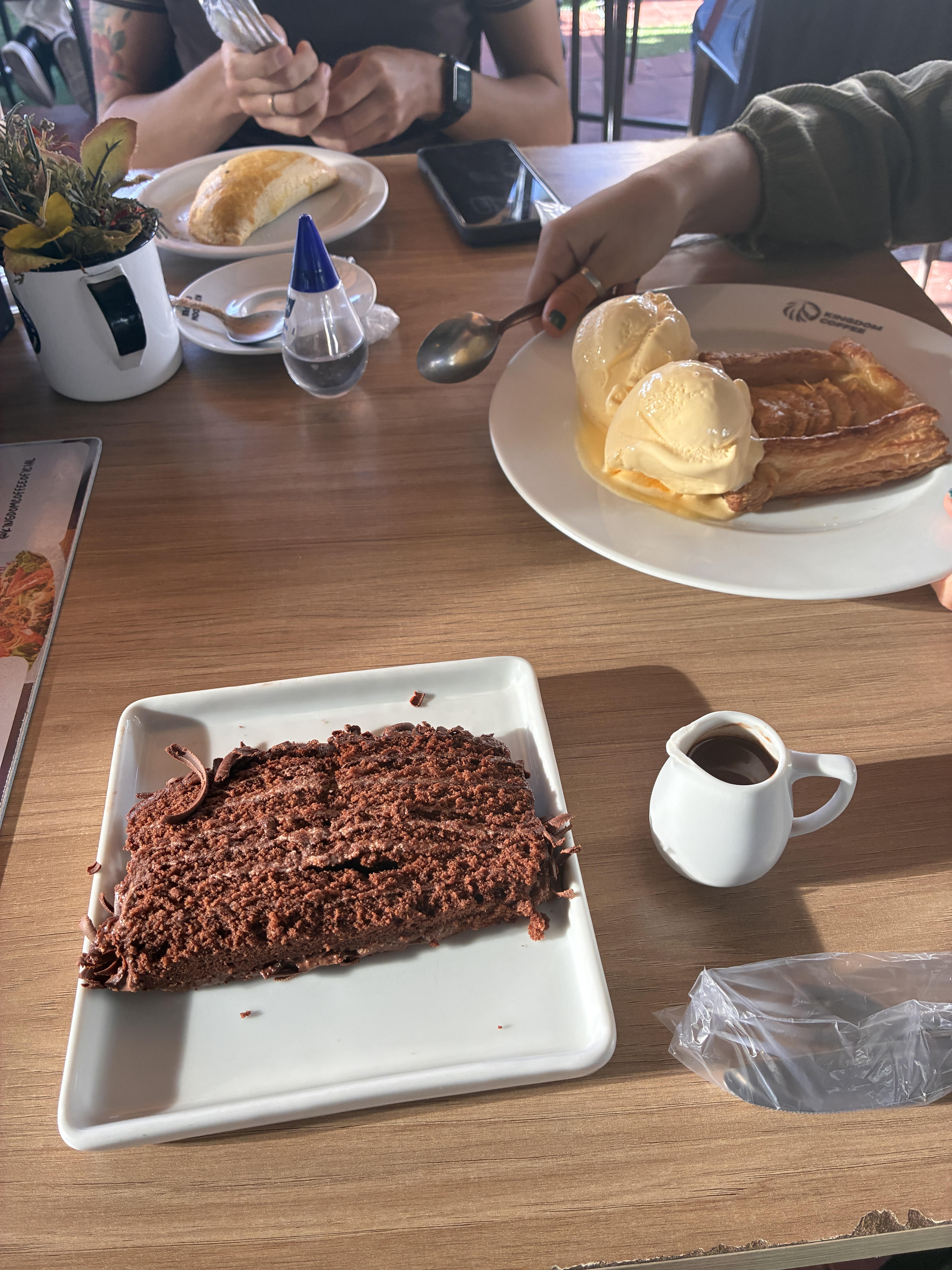
- Kingdom Coffee (two locations)
I only visited the Tambaú location, which had great outdoor seating and helpful staff.
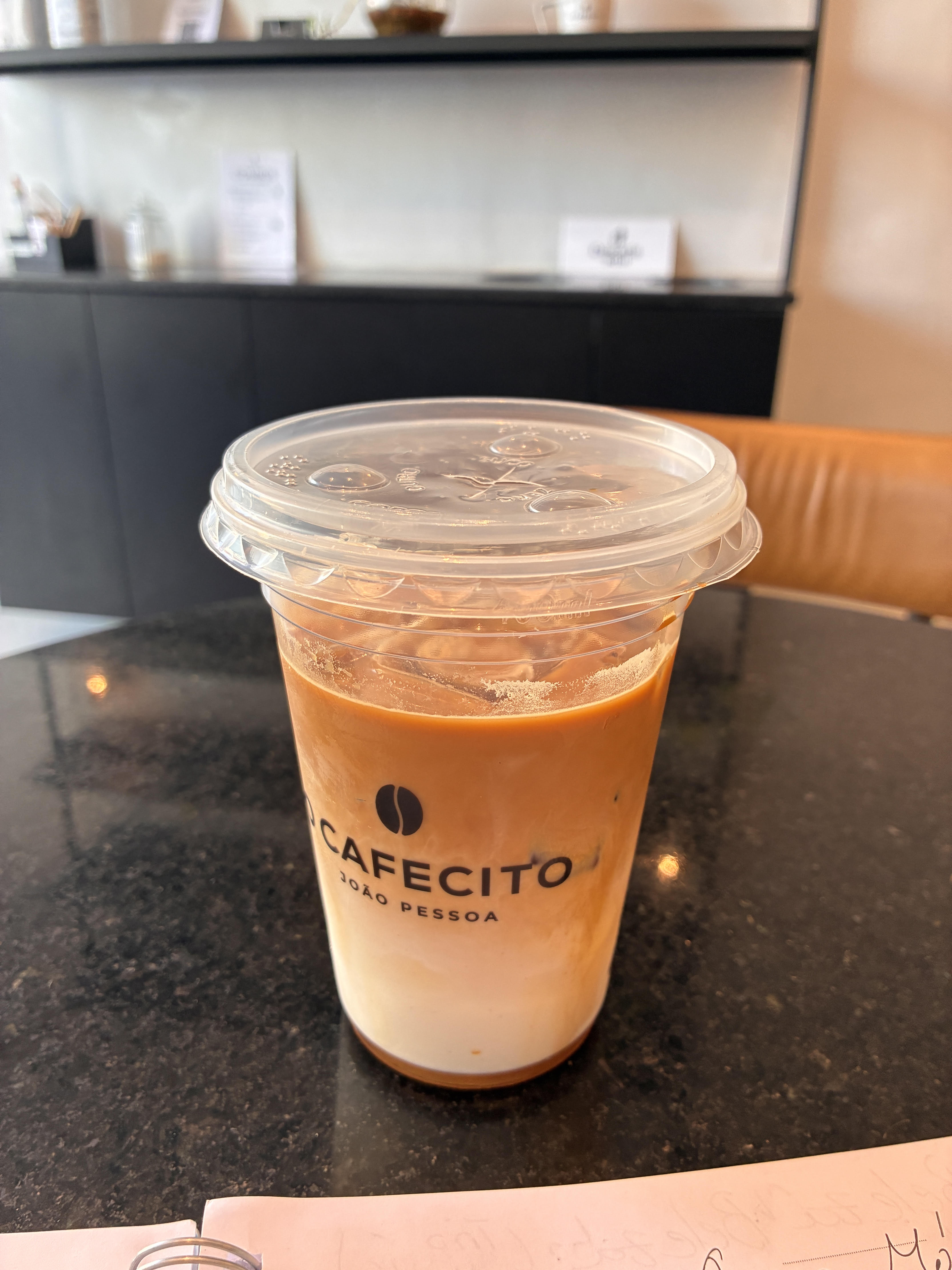
- El Cafecito in Cabo Branco
This is a small spot, but it’s all indoors with air conditioning. It’s also the only coffee shop I went to where there was a staff member who spoke English. His level was pretty remarkable considering he said he had never traveled outside of Brazil before.
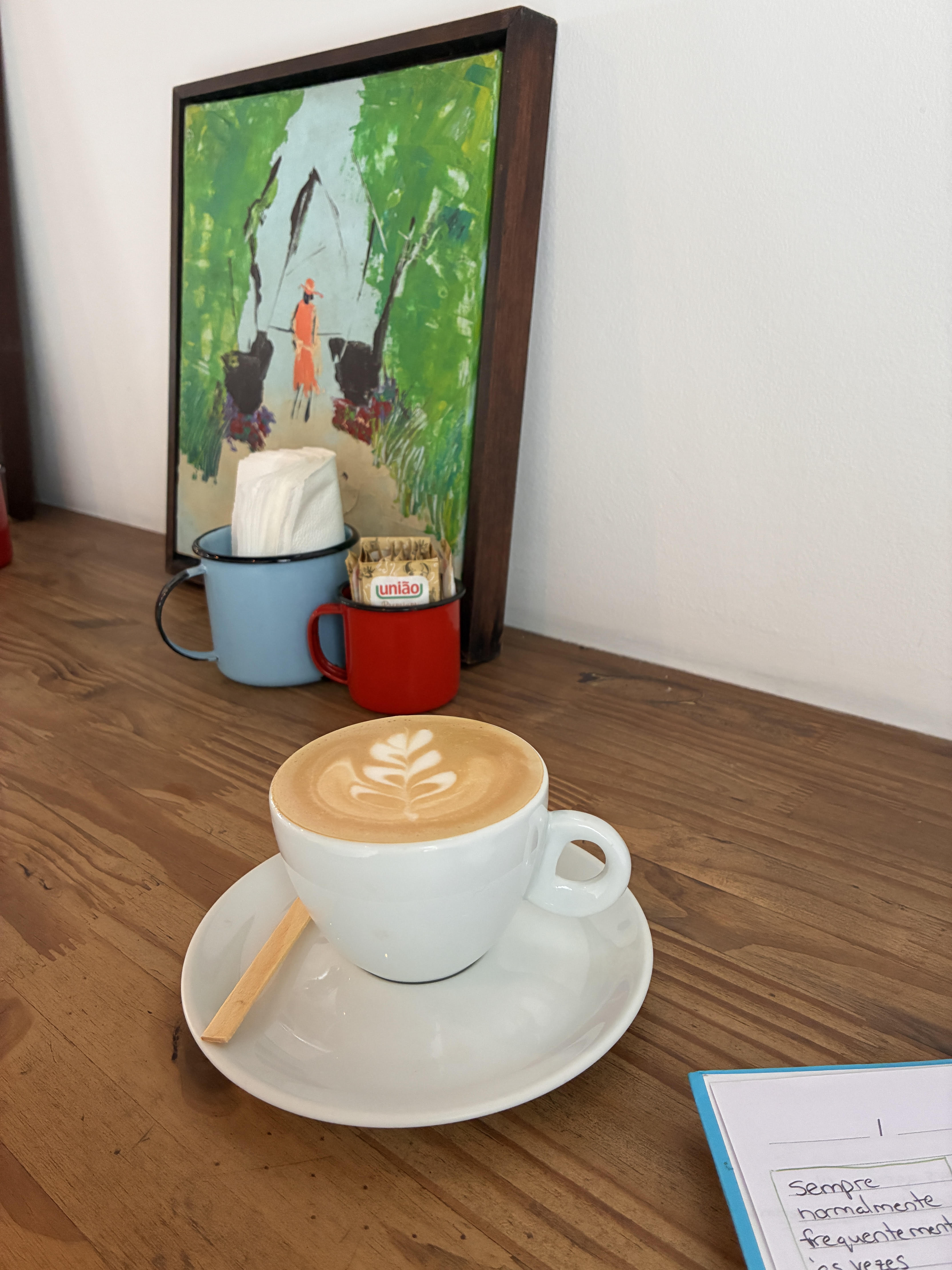
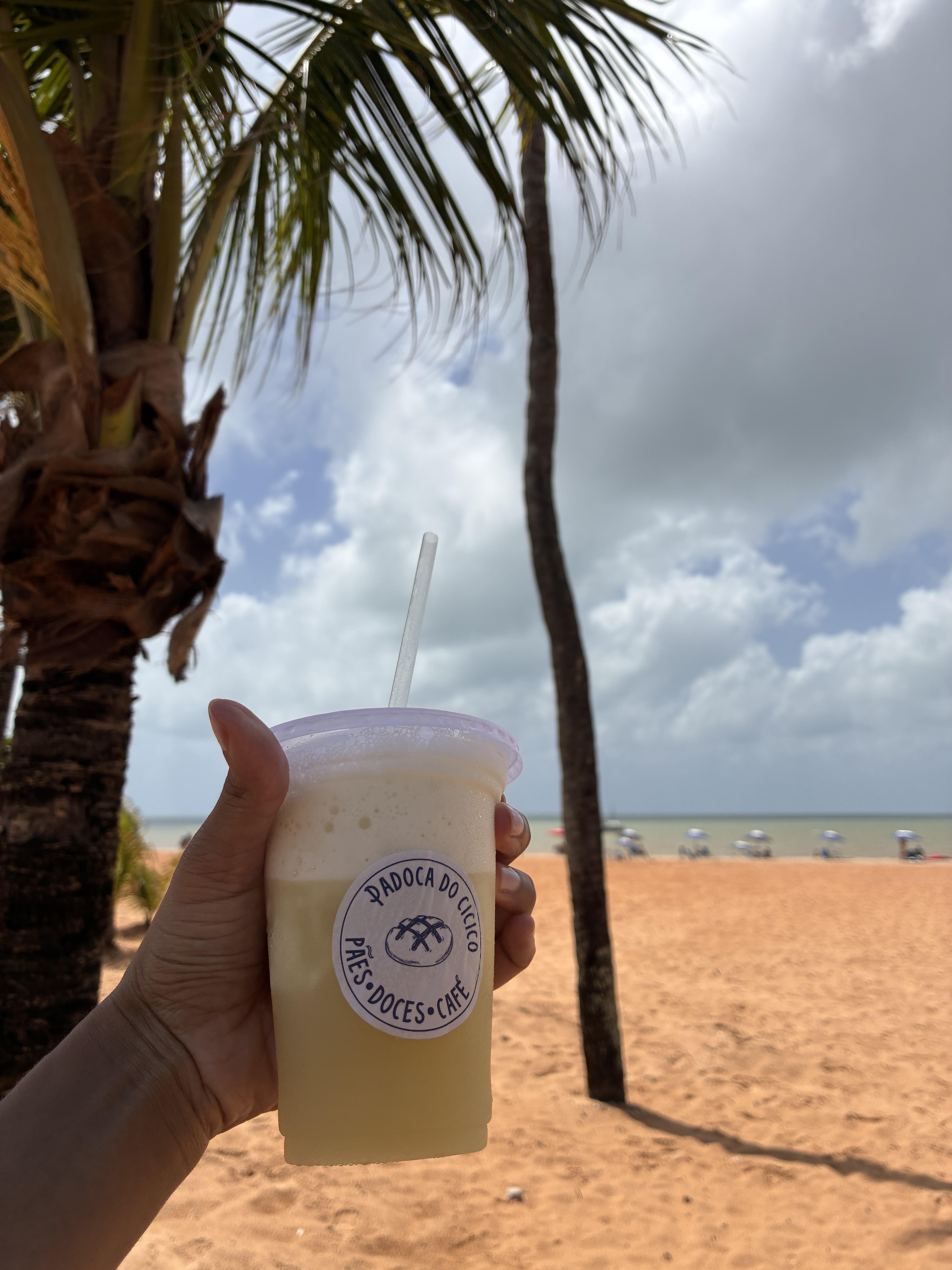
- Padoca do Cicico in Cabo Branco
I would avoid this place on weekends as it gets slammed, but they are the only café that I saw with a hot caramel latte on the menu, and it was great.
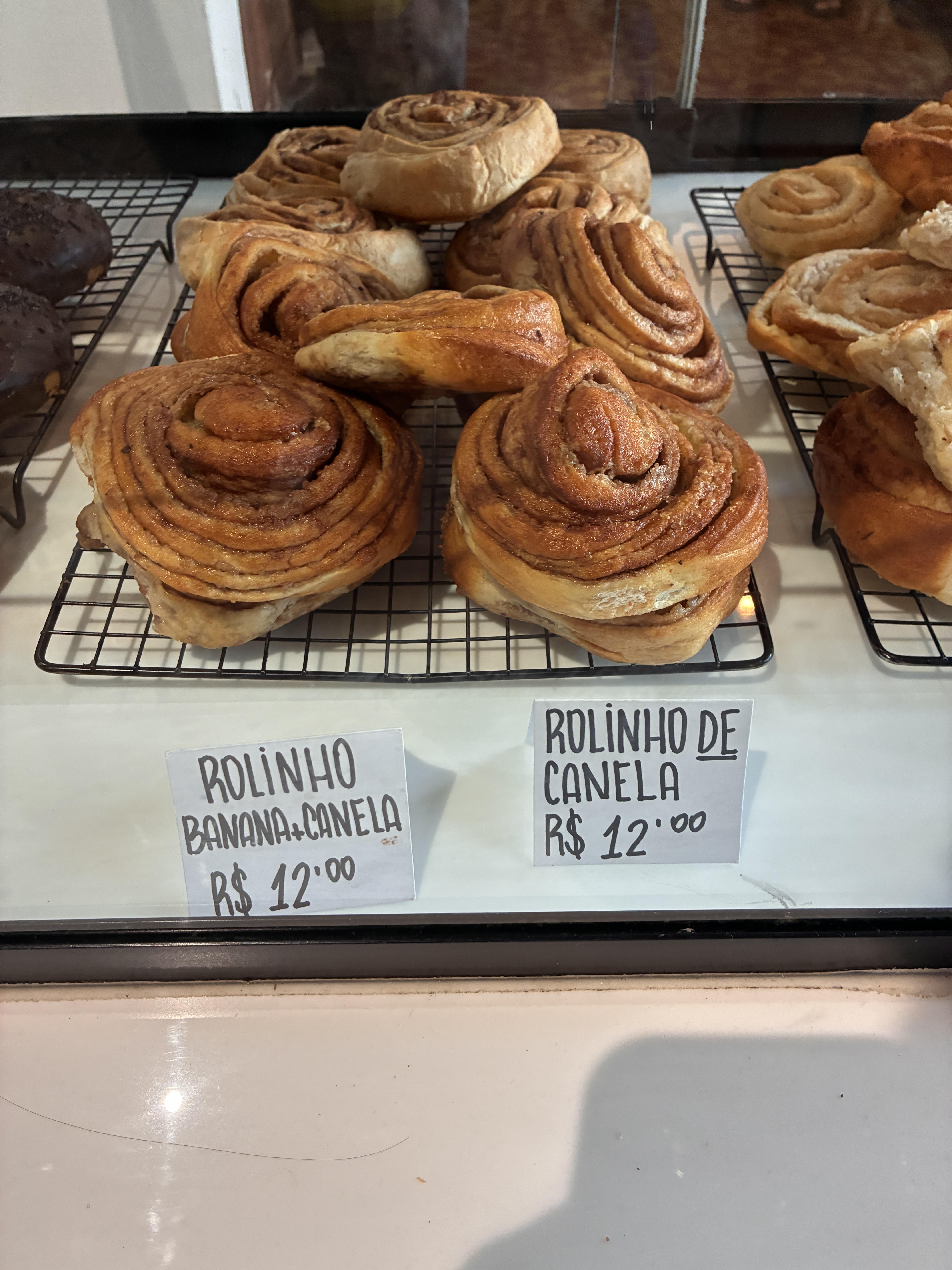
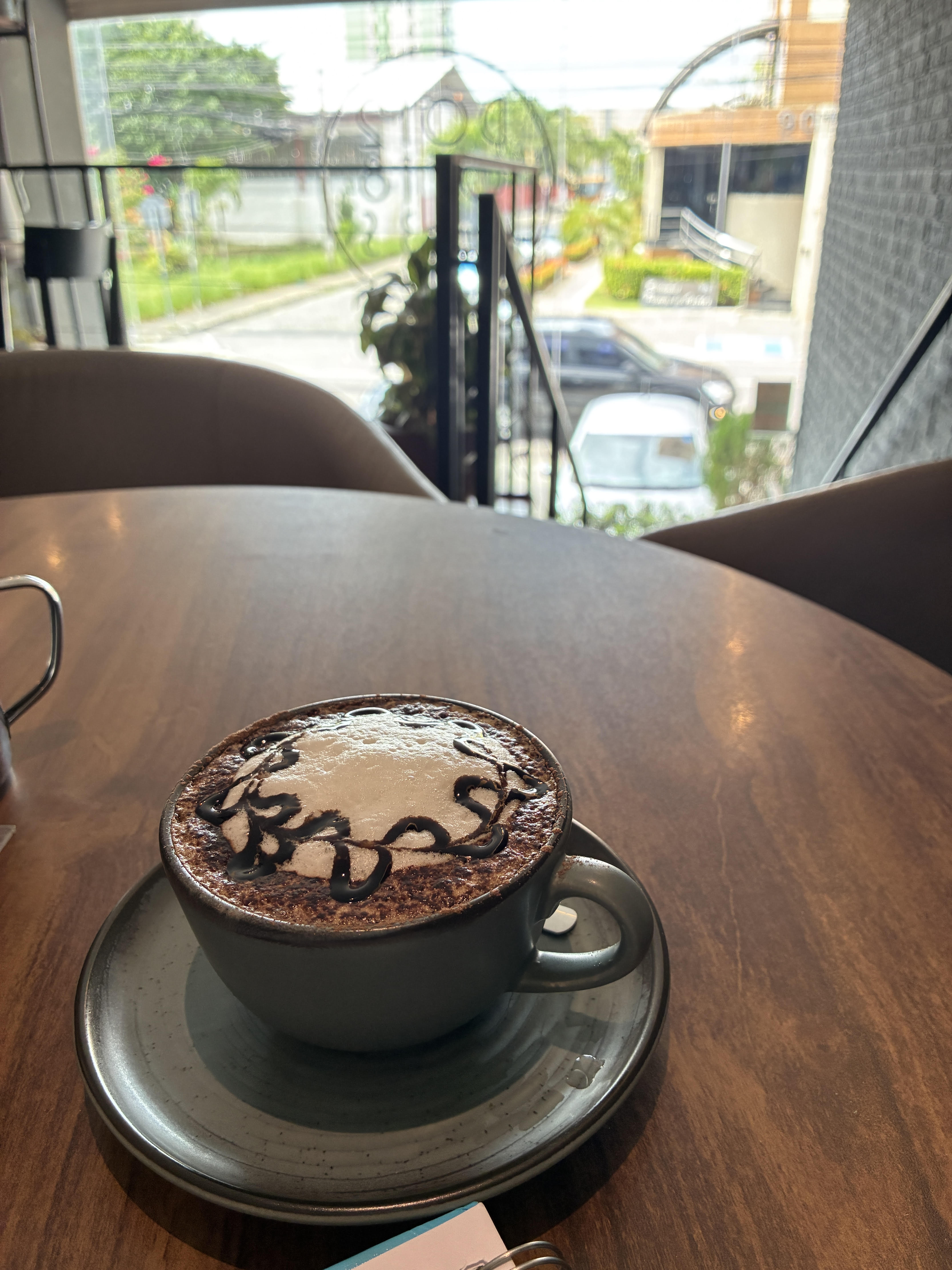
- 283 Cafe (DOI2 OIT8 TR3S) in Manaíra
There’s an upstairs area with plenty of air conditioning as well as seating on the main floor and a few spots just outside the shop.
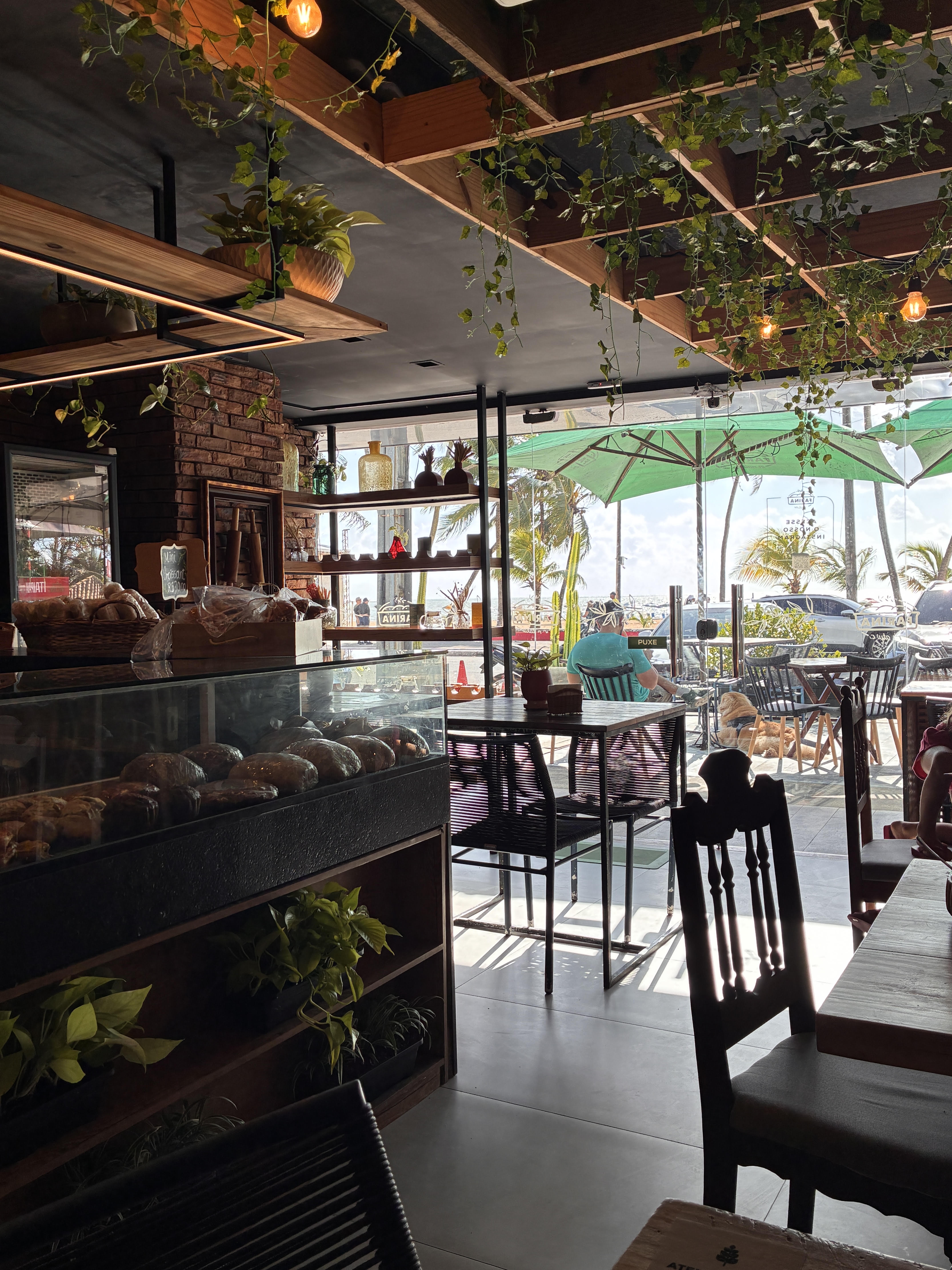
- Ávora | Padaria Artesanal e Cafeteria in Cabo Branco
This is a trendy place with great views of the orla and people on early morning runs.
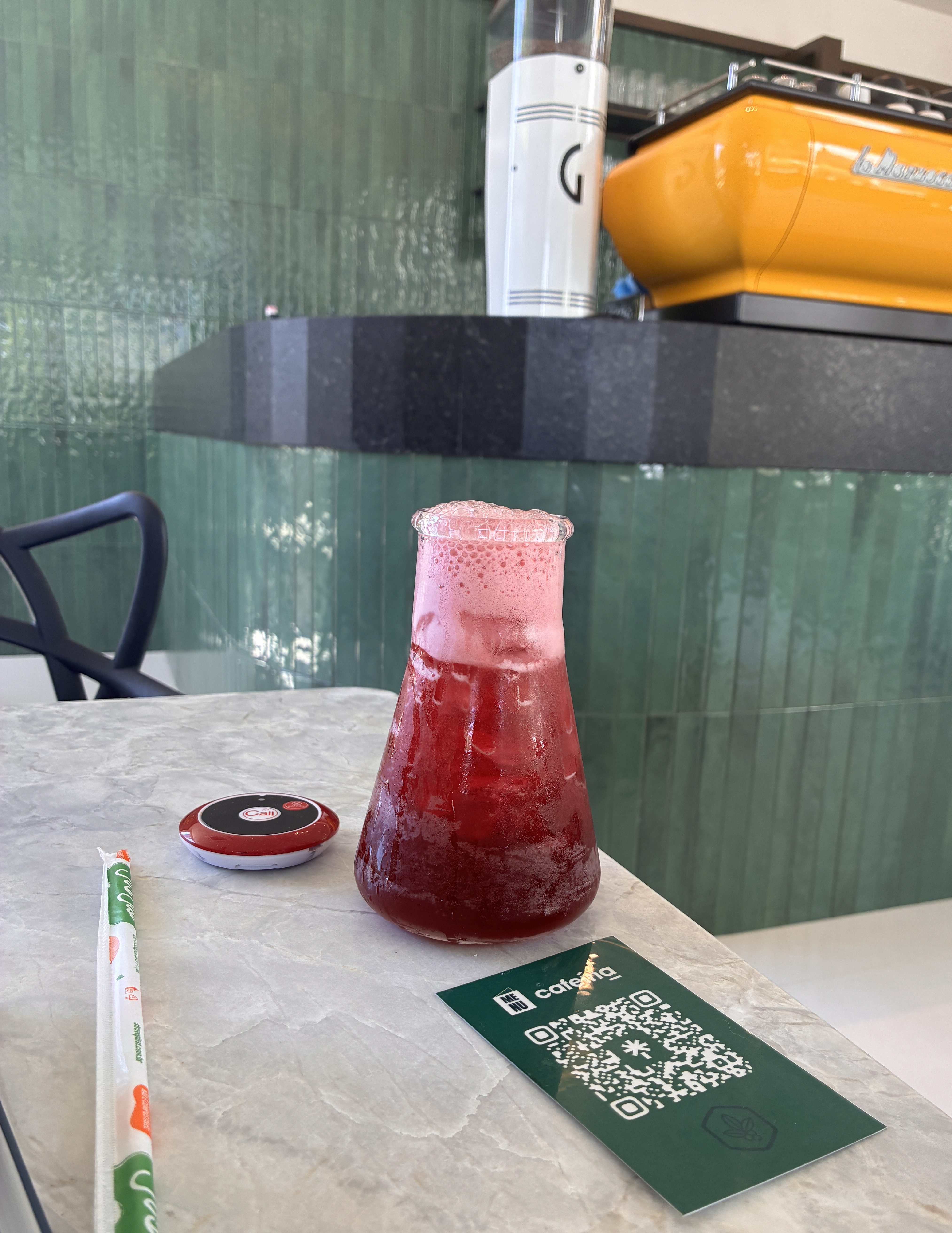
- Cafeína Cafés Especiais in Miramar (a neighborhood west of the sea)
I visited when this place was still in its first few days, so much of the menu was unavailable. That said, the hibiscus iced tea was stupendous. It has compact seating inside and plenty of space for its outdoor seating.
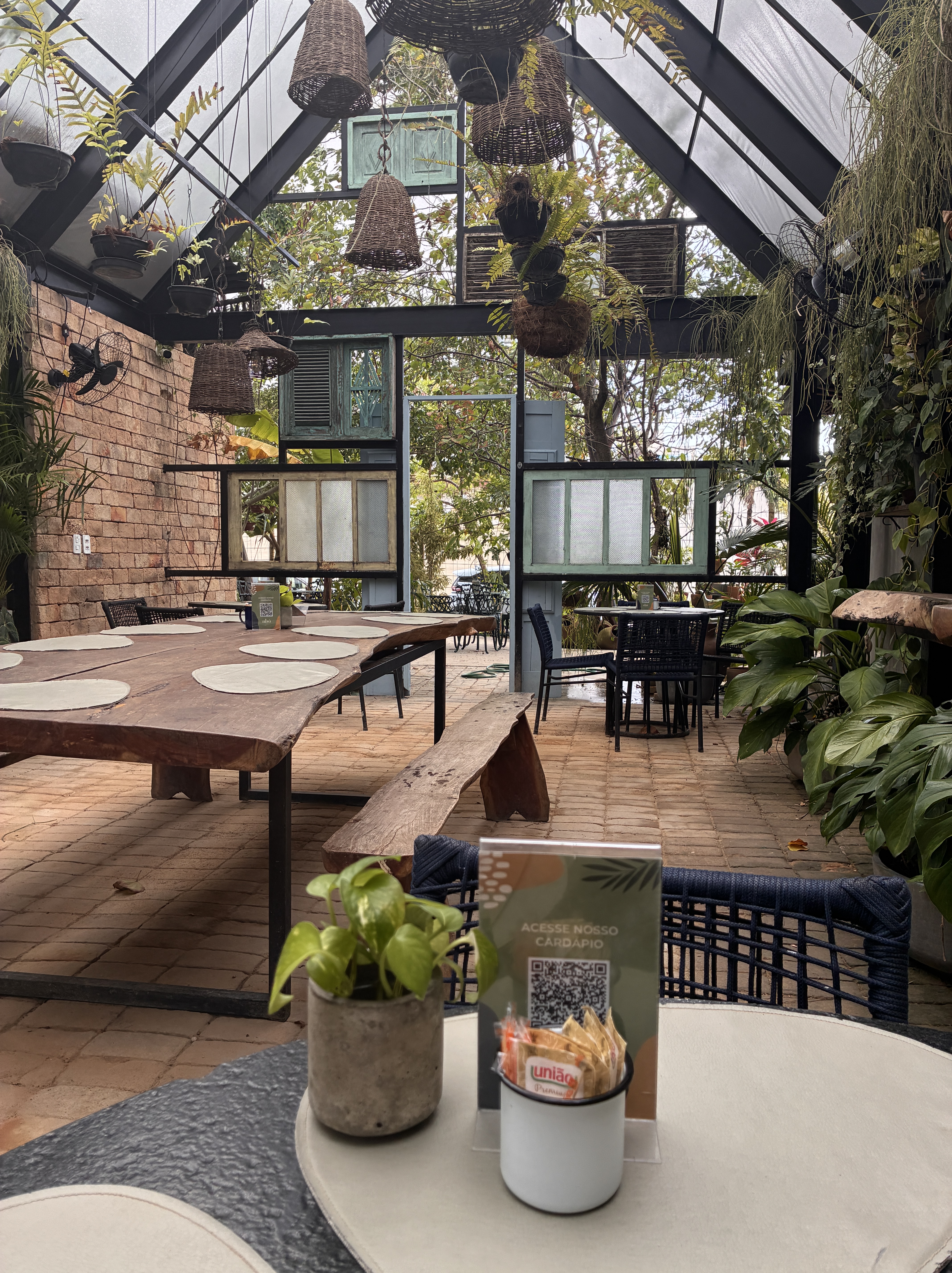
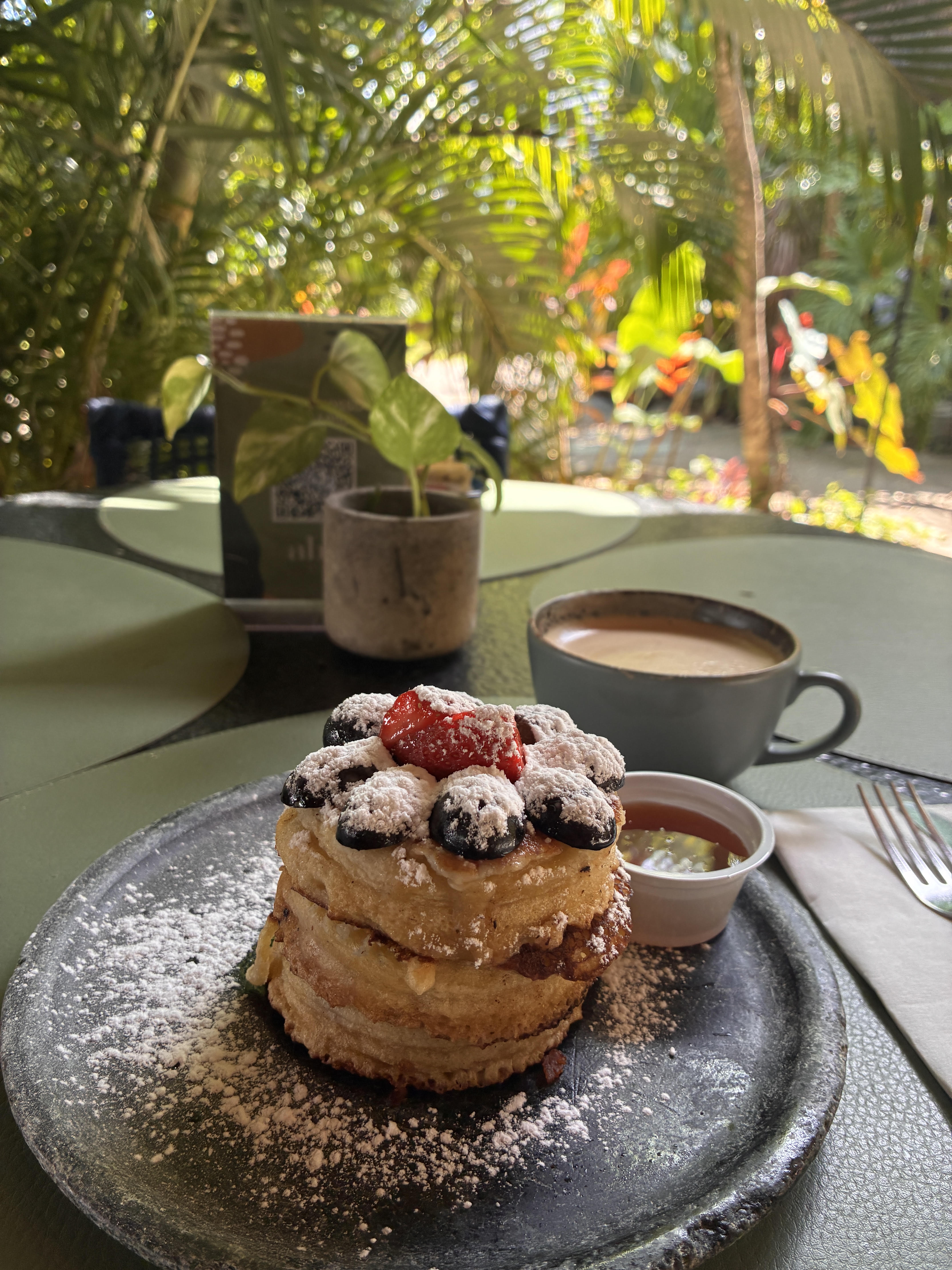
- Abô Botânica e Café in Jardim Oceania
This is a great place to visit for botanical therapy. There are different vibes to each seating area, but no matter where you sit, you’ll be surrounded by plants.
Restaurants
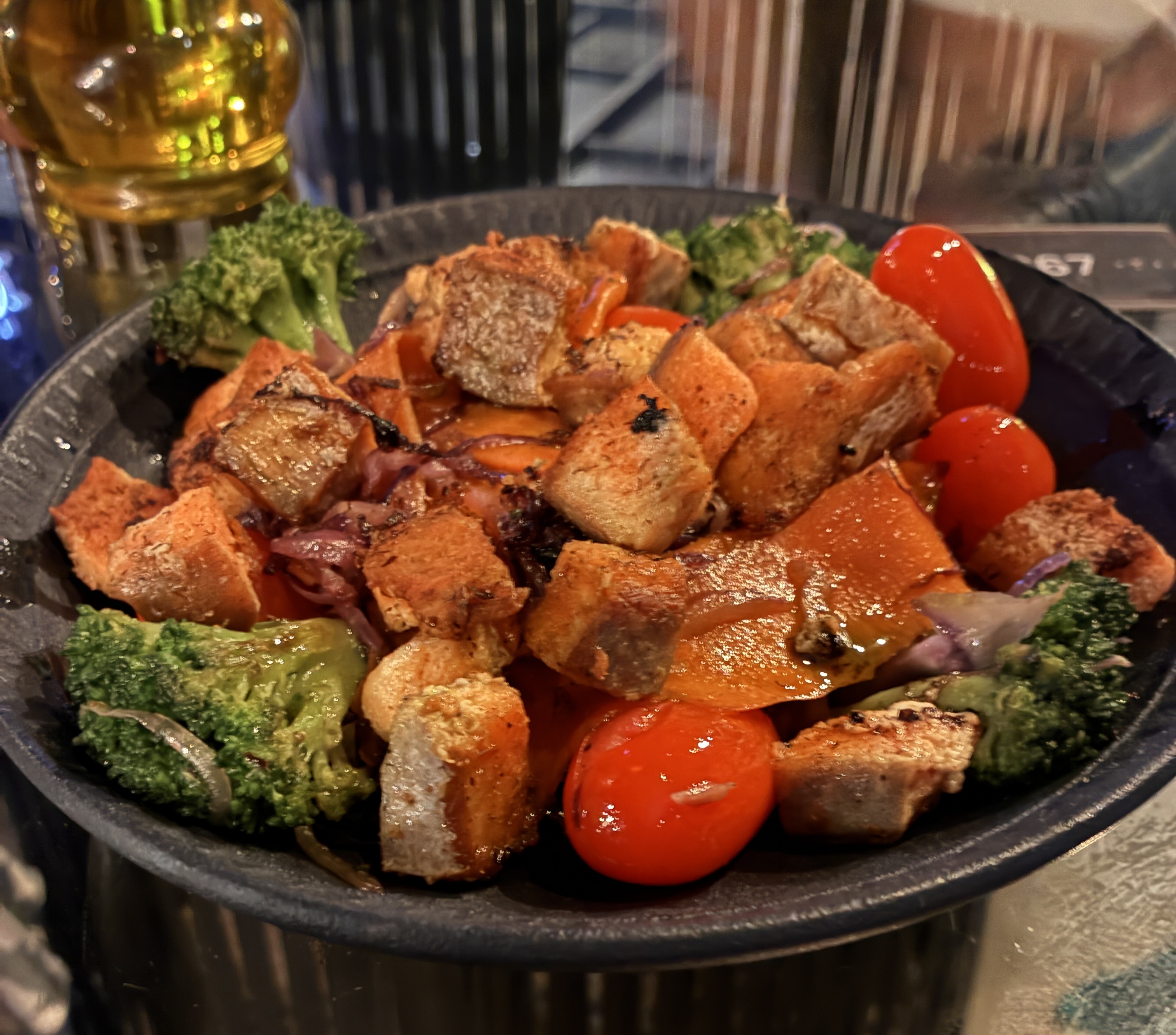
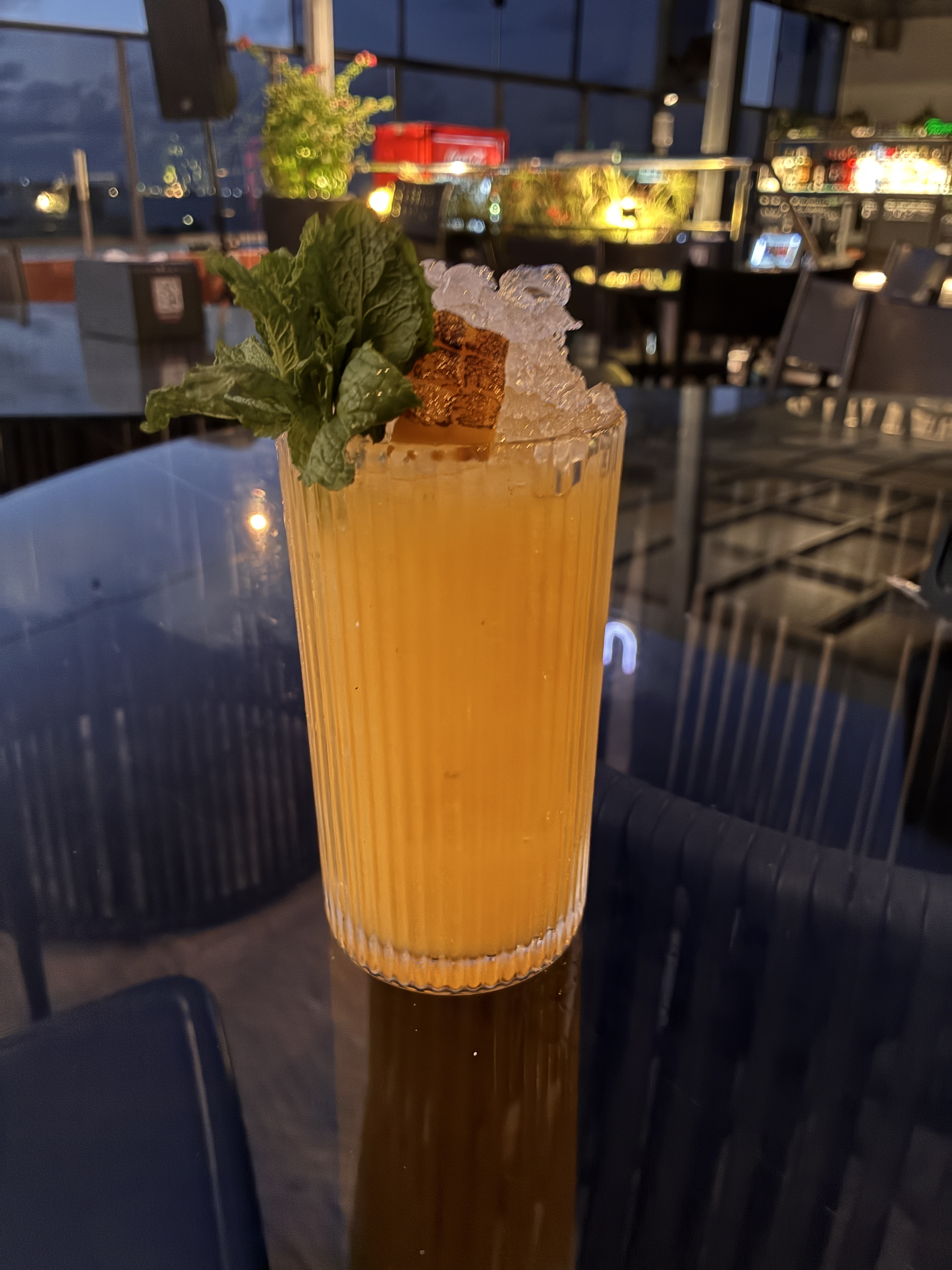
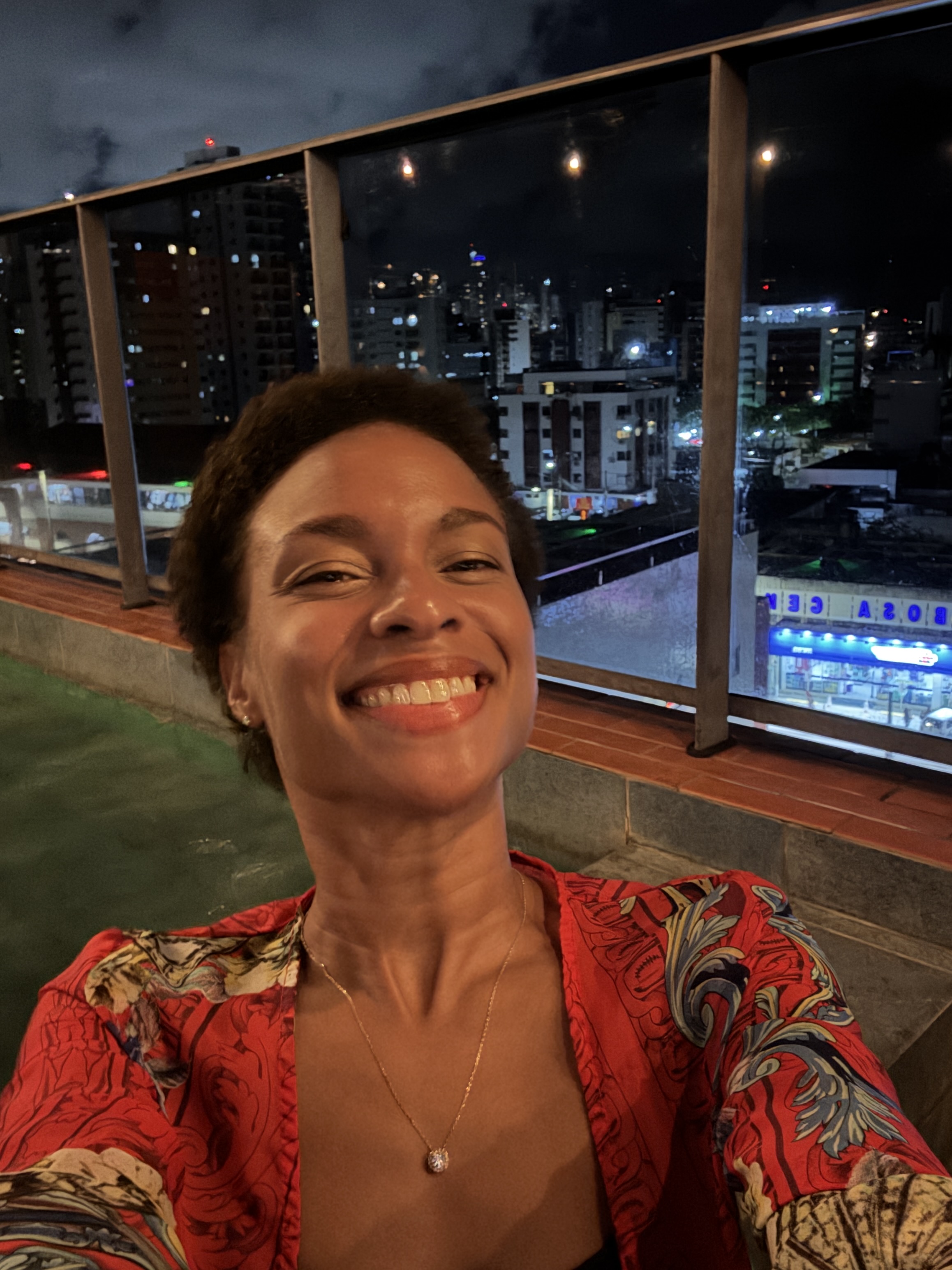
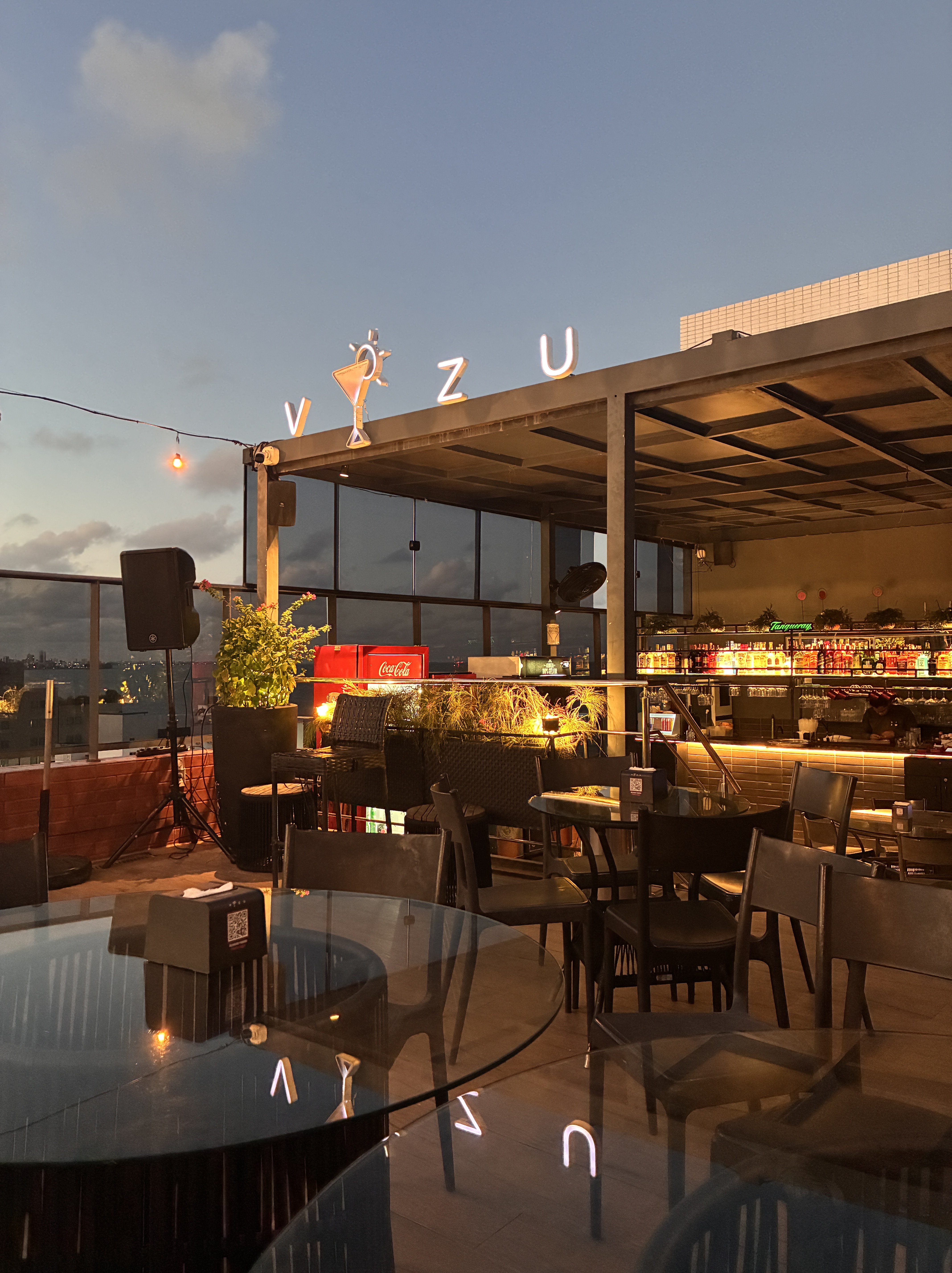
Vizu Gastrobar
I went here for a friend’s despedida (going away party, just like in Spanish). It’s a rooftop establishment with a decent view of the sunset. I’ll say it’s great for special occasions as it may be a bit more expensive than standard restaurants.
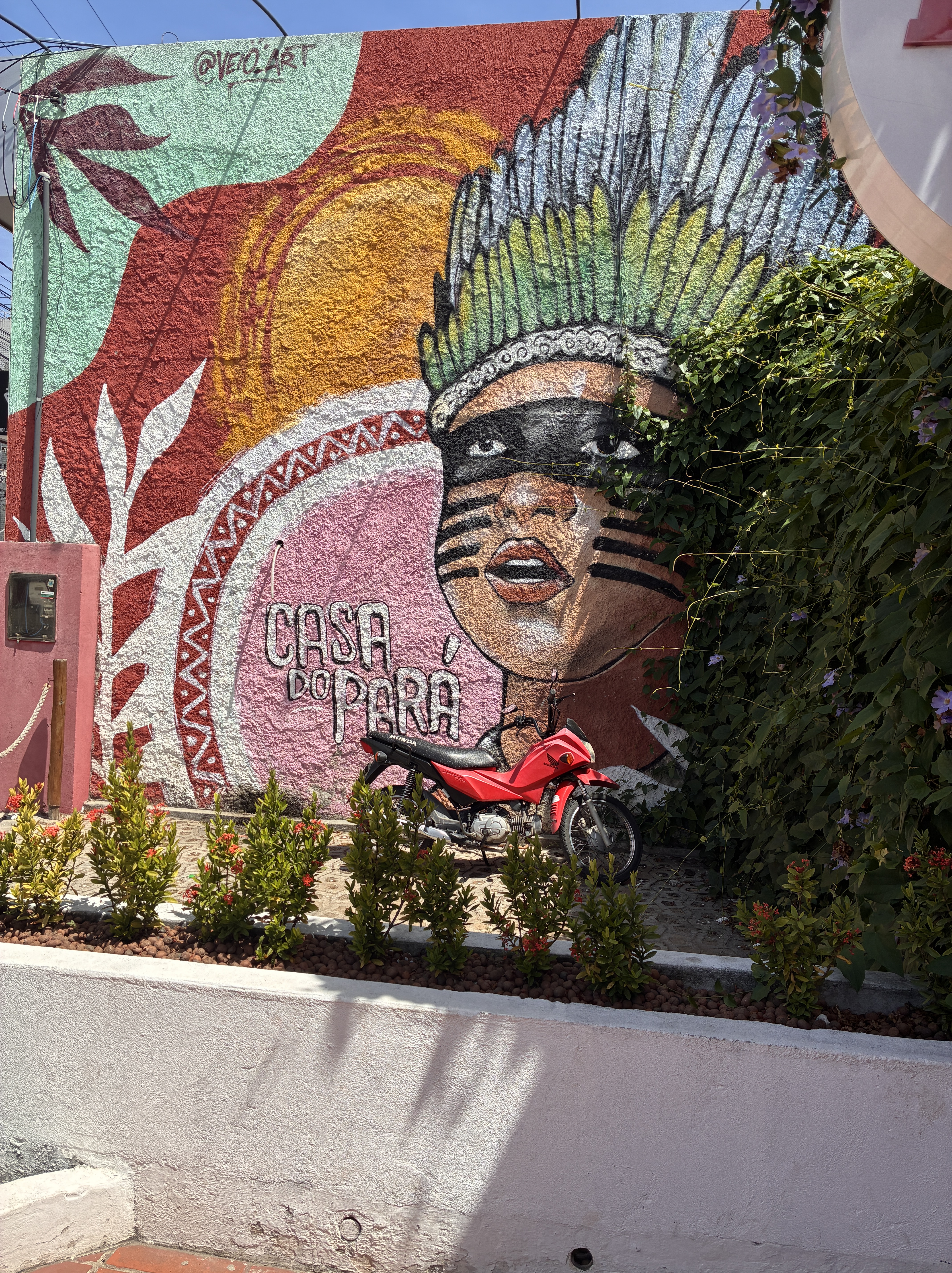
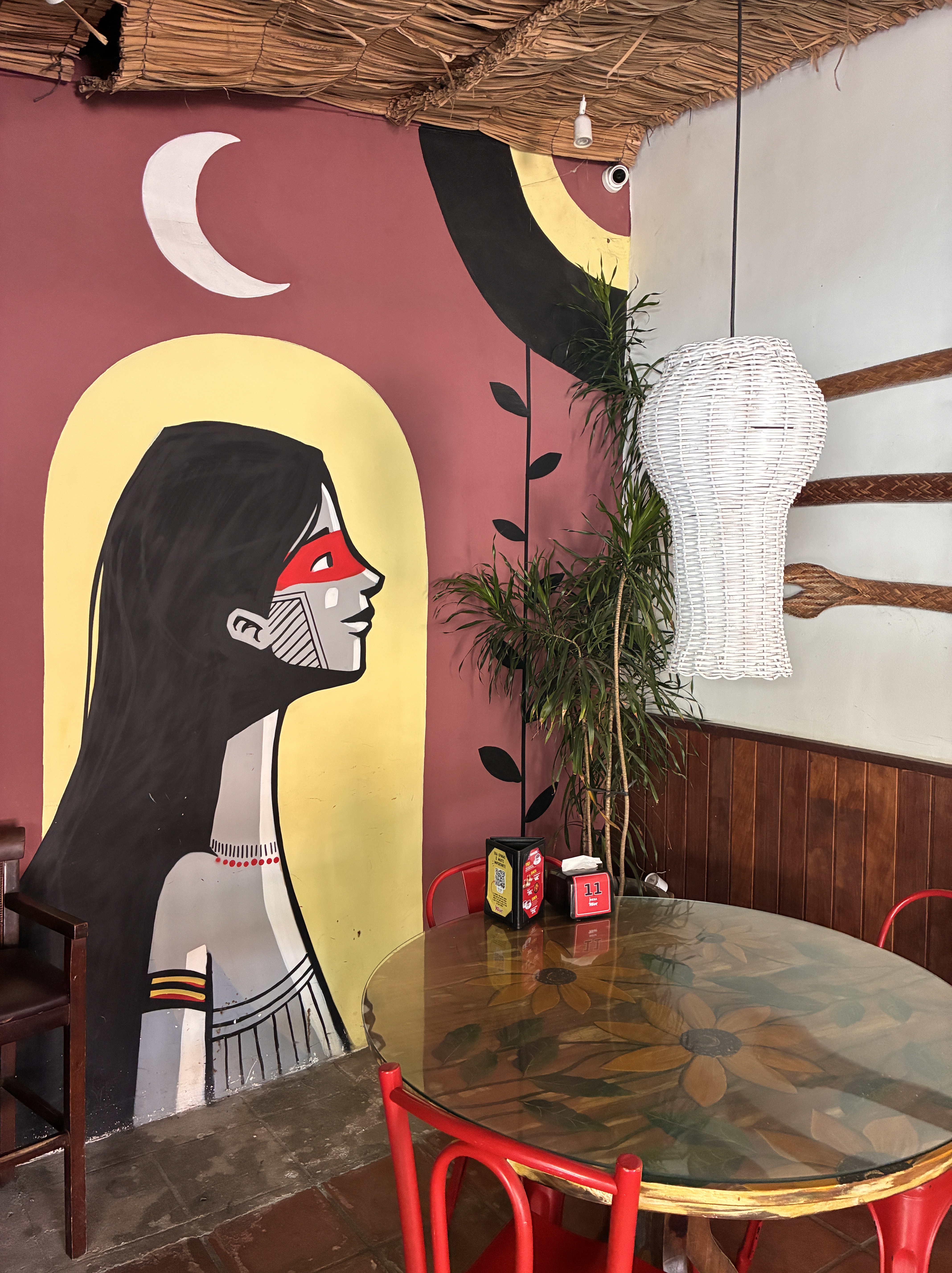
Casa do Pará
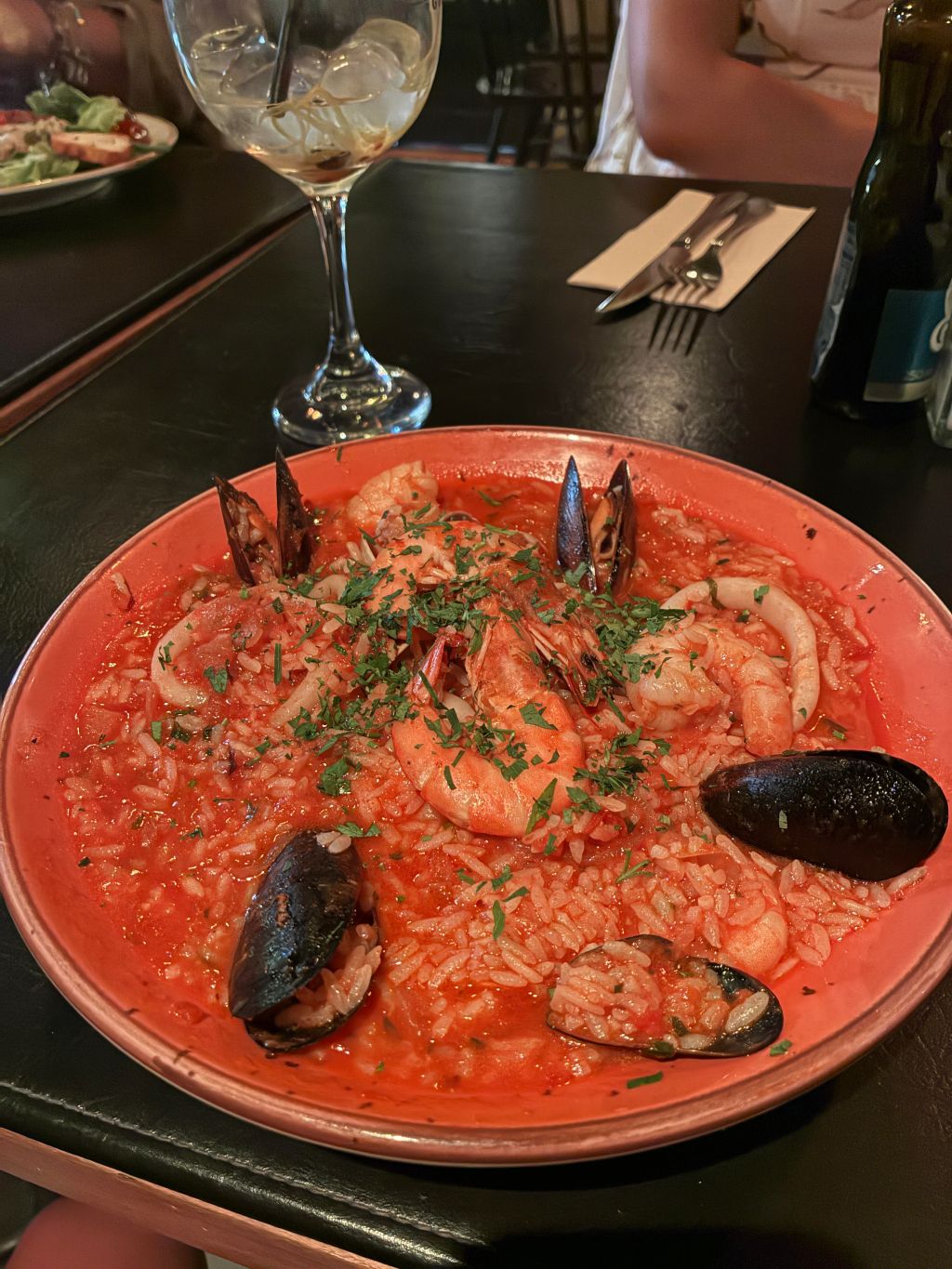
This is a restaurant focused on cuisine from the Pará region of Brazil’s Amazon. They are known for serving authentic açaí, which I learned is actually bitter without the added sugar. I also had another traditional dish, called tacacá. What I saw was shrimp and a leafy green vegetable in a broth, which I thought was right up my alley. What I experienced was a bitter and literally mouth-tingling dish. I Googled right there on the spot and learned that tacacá is a platter commonly served when people have tooth aches or other dental issues because of its numbing properties. It’s essentially medicinal food. The server also forewarned me that there would be a gelatinous substance at the bottle of the bowl. So, we can say that this restaurant helped me become dietearily adventurous.
The W Restaurant
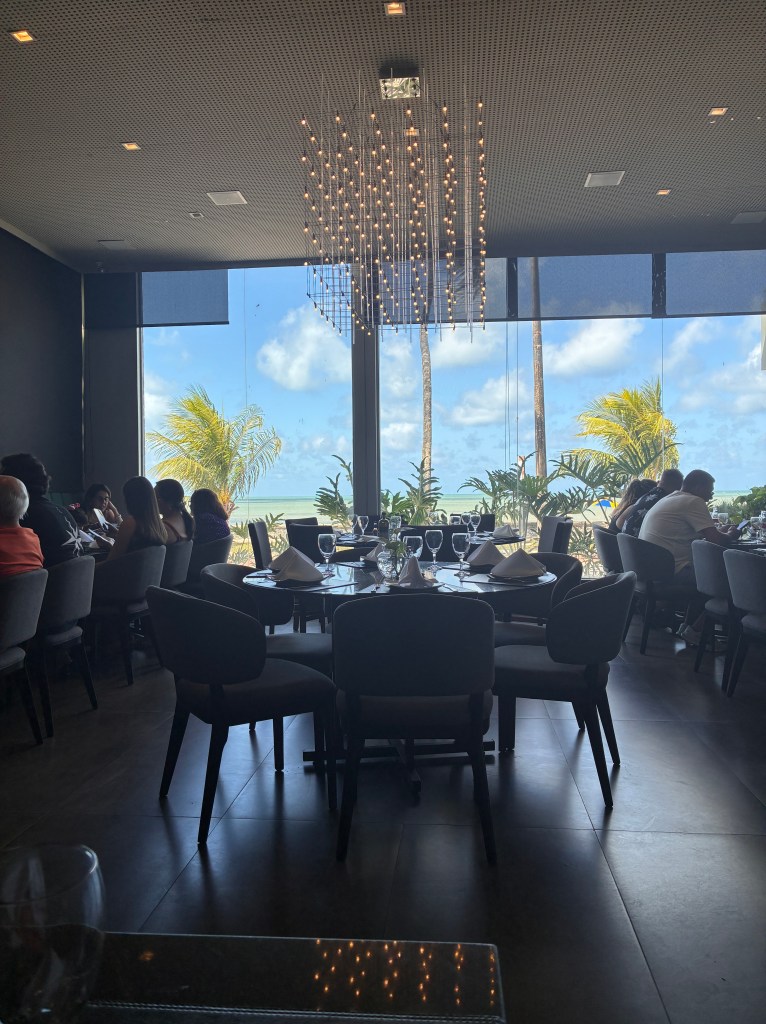
This is of the fancy variety and comes with a view of the beach. They also have a lunch menu with more accessible prices.
I ordered a tagliatelle dish where the pasta was a bit cool and overcooked, but the shredded lamb was great.
Trattoria De Origem
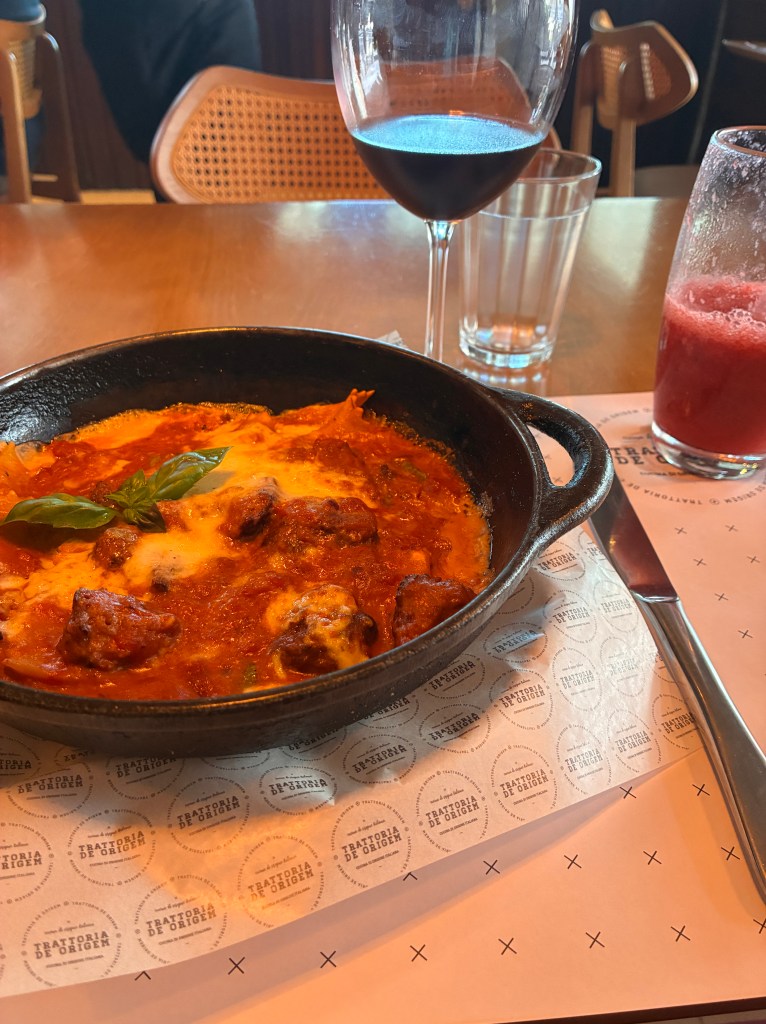
I knew this place was popular, but I wasn’t sure if it would be as good as it was reported to be. It turned out to be fabulous. They unfortunately didn’t have their famous chicken parmesan during lunchtime, so I went with the lasagna and was happy to see that it was open-faced. The taste was spectacular!
Sakê Temakeria Premium
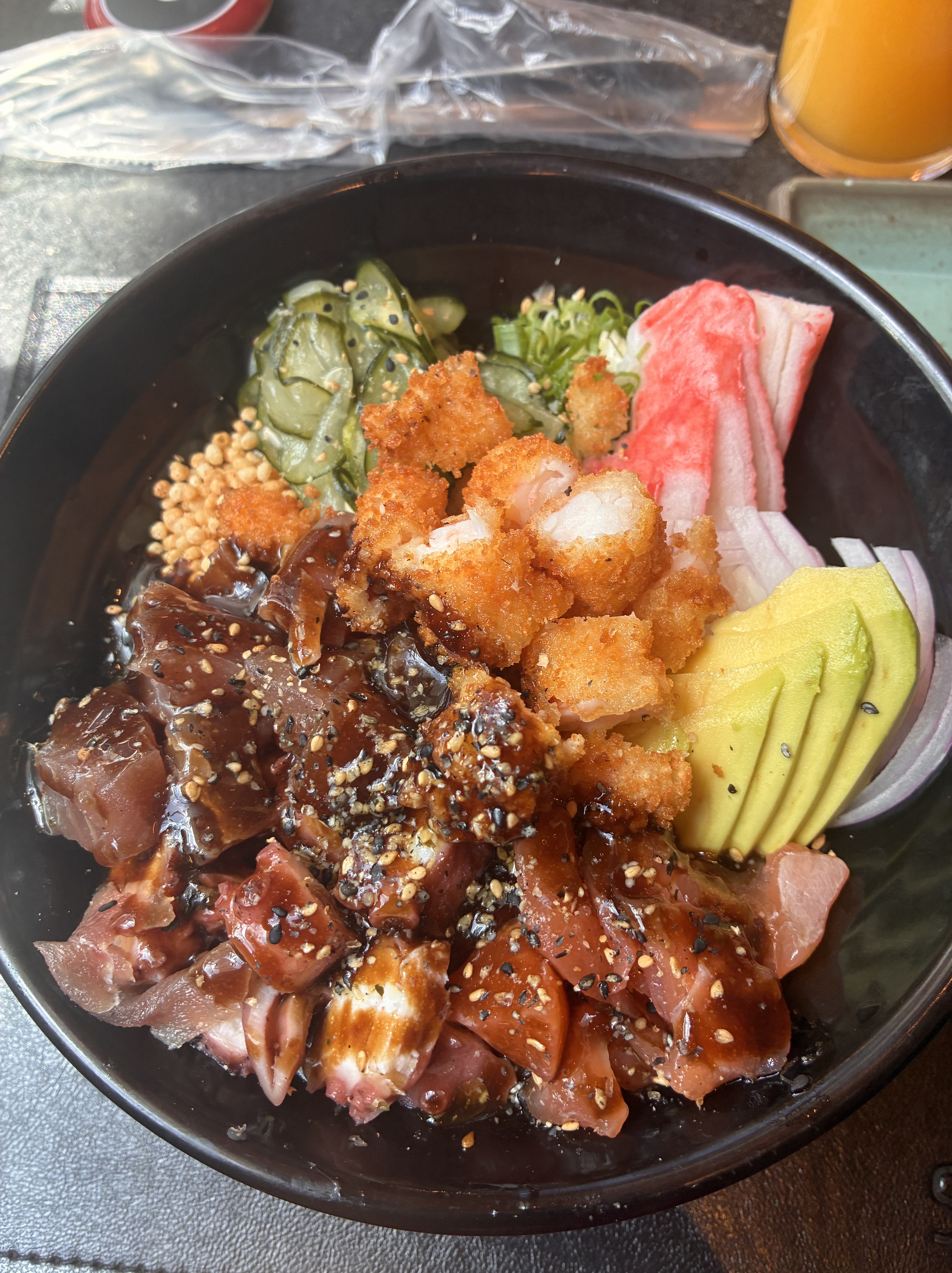
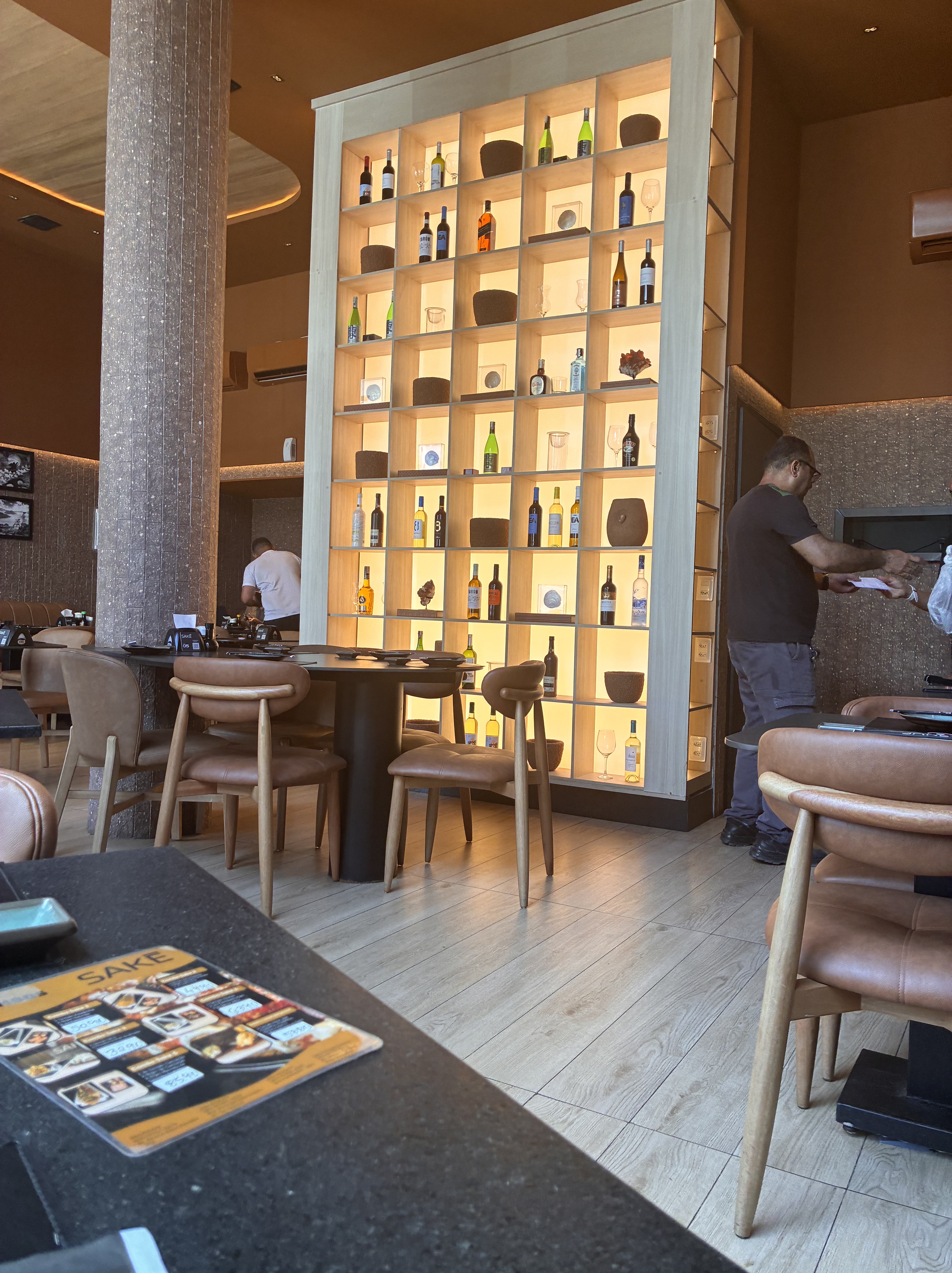
It wasn’t until my last week in Jampa that I actually started visiting most of the restaurants that I have listed here. Sakê was close to my rental, and the poke dish was pretty good! Their breaded shrimp in particular was spot on.
Beach tennis lessons
I unfortunately do not have any photos of me playing beach tennis, but I took a few lessons. I’d tried reaching out to a beach tennis group I found online and just from their lacking communication alone, it seemed like a poor fit. My Airbnb host even invited me to join her beach tennis group. But in the end, I found an instructor simply by approaching a random group playing on the beach. One of the women pointed me to the instructor, he gave me his WhatsApp, and the rest was history. It’s one of the things that are a part of Brazil’s fabulous beach culture.
Parque Cabo Branco
This is essentially a nighttime food truck-esque spot. It’s great for socializing and even hosts live performers who sing or dance. You can find espetinhos/skewers, burgers, empanadas, and more. Manaíra has it’s own equivalent, called Villa Gourmet.
Mercado Público de Tambaú
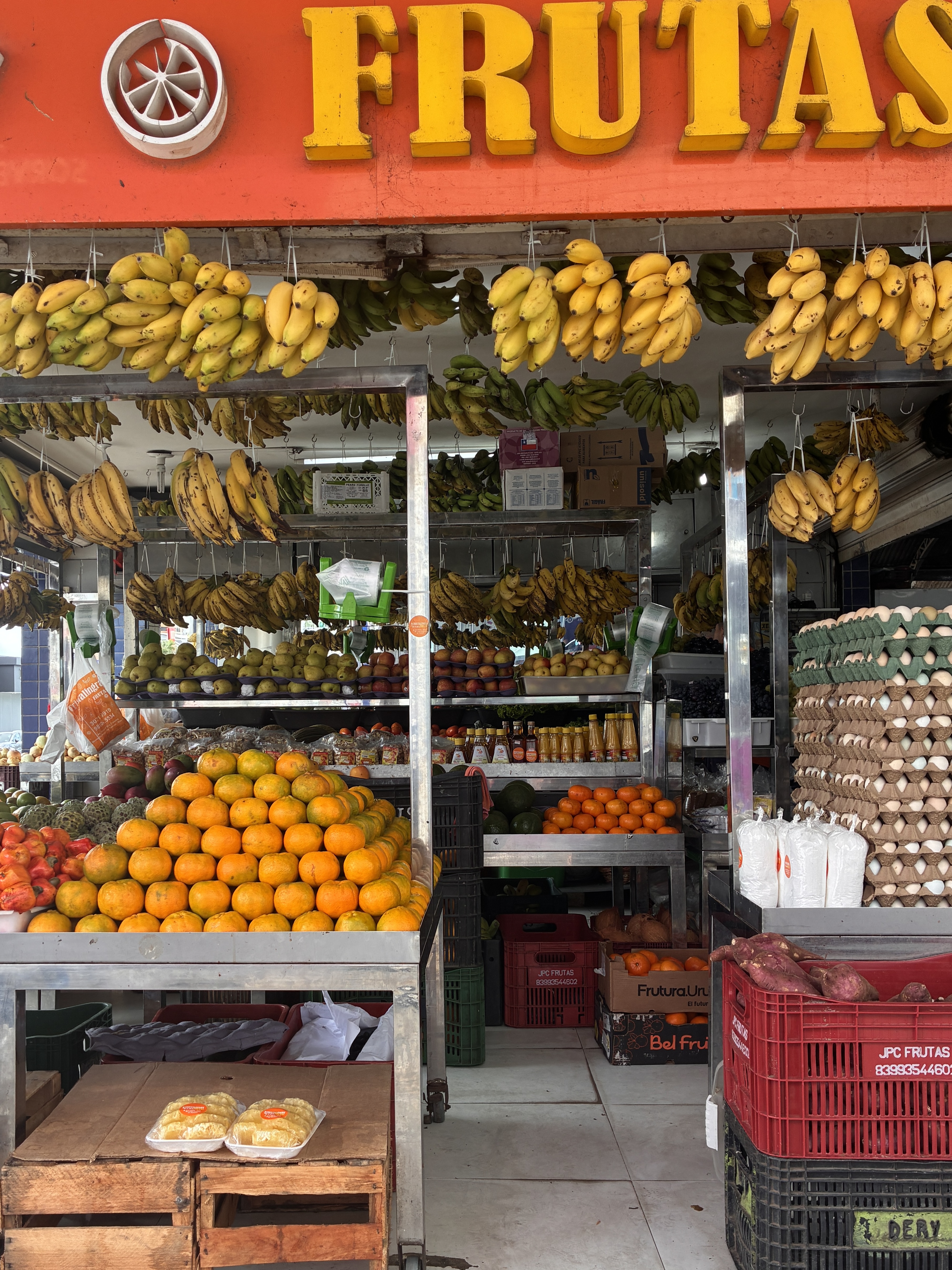
This is a local spot for fresh fruit, vegetables, and more. I often used it as a shortcut from the beach to my apartment, but one day I also stopped off to get some bananas I could freeze for my smoothies.
Mercado De Artesano
This is where you’d go if you want a large artisan market where you can buy souveniers. It’s where I got my canga. I’d recommend browsing all of the stores before you purchase anything if you’re just looking for one of each item, since vendors sometimes sell variations of items, if not completely identical pieces.
Olympic Beach Volleyball National Qualifiers
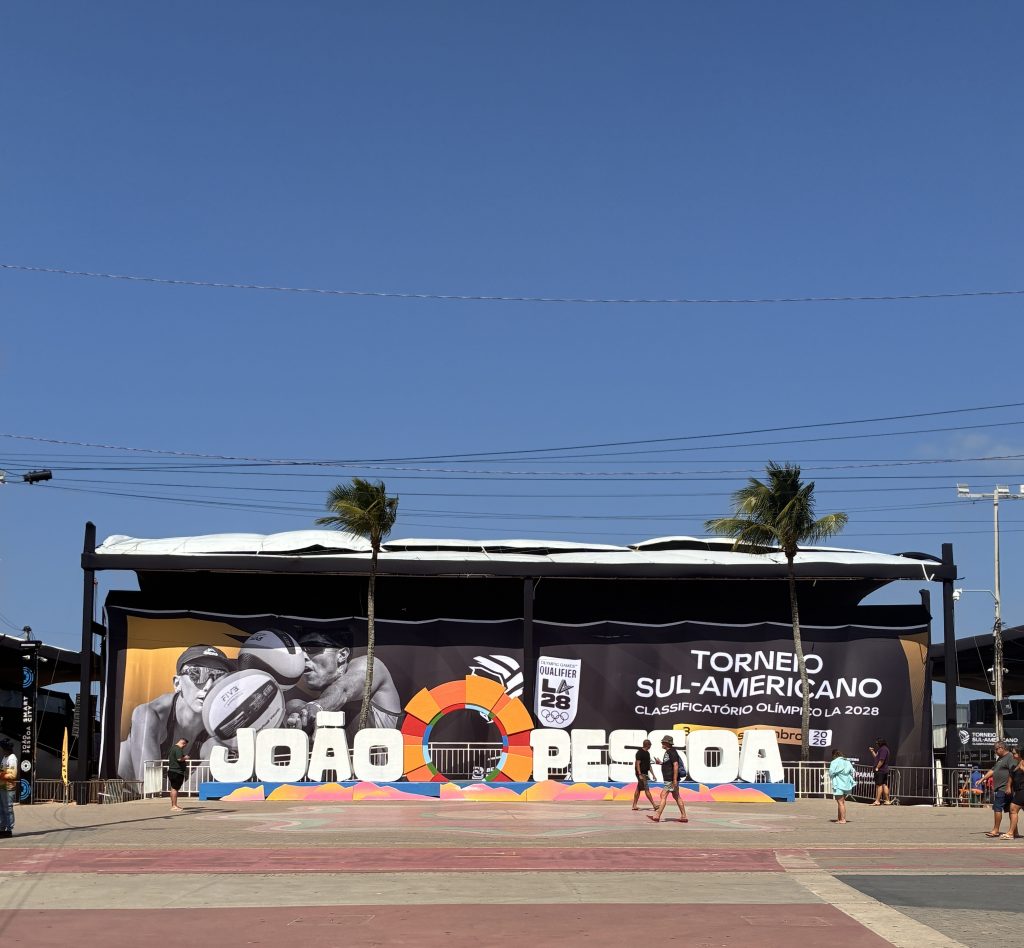
It was such a pleasure to be in Brazil during the Olympic qualifiers for beach volleyball. Based on what a worker at El Cafecito told me, the event is always held in João Pessoa. I presume it’s because the northeastern region of Brazil is summer year round and a portion of the country still experiences winter when the qualifiers are held. It was pretty cool to see Olympic hopefuls at work. The later it got, the more animated the crowd became and the more elaborate court celebrations became, with organizers including more music and lights as the sun set.
Centro
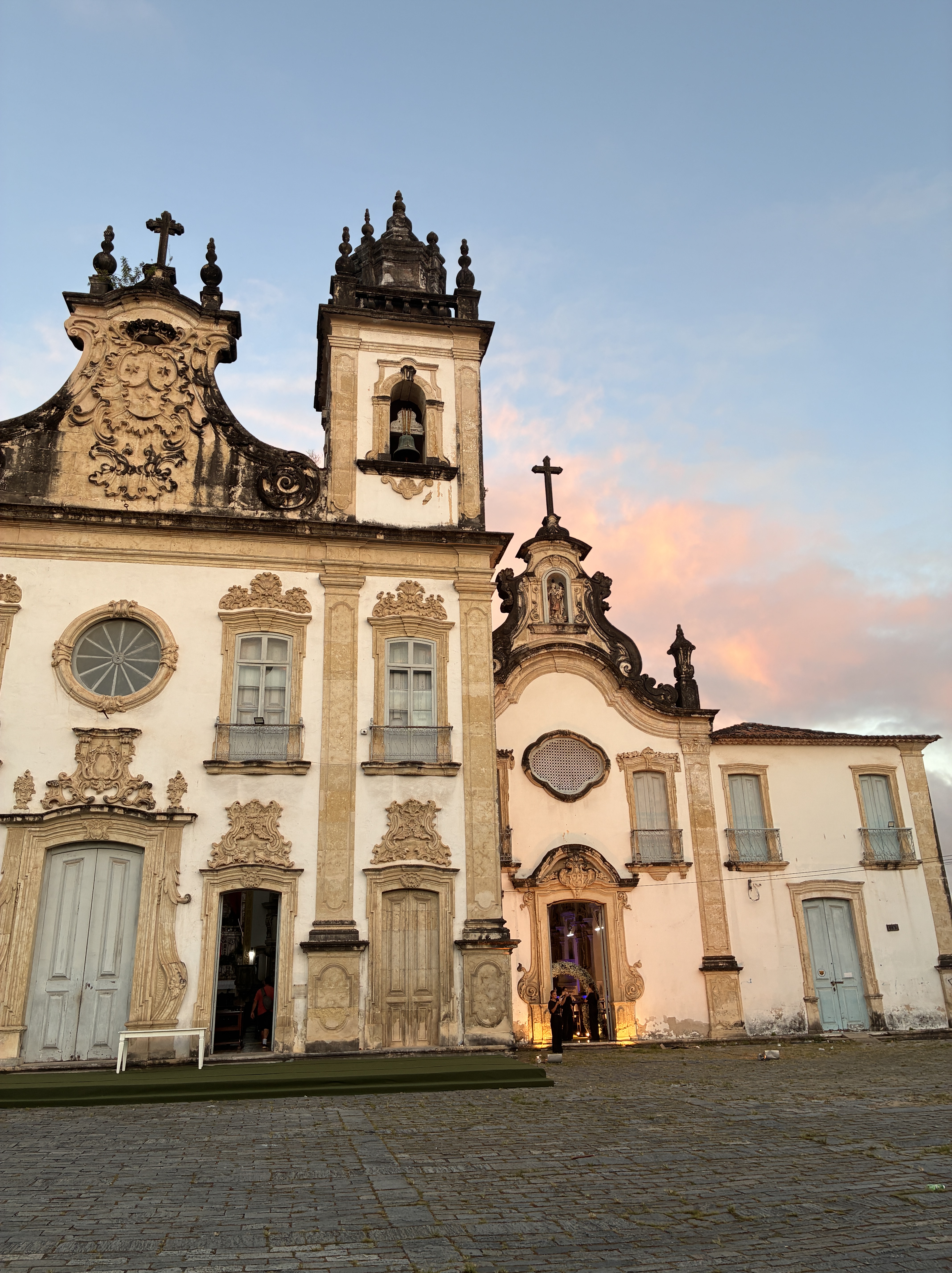
While it’s a bit away from the coastline, the center of João Pessoa has some popular activities to offer:
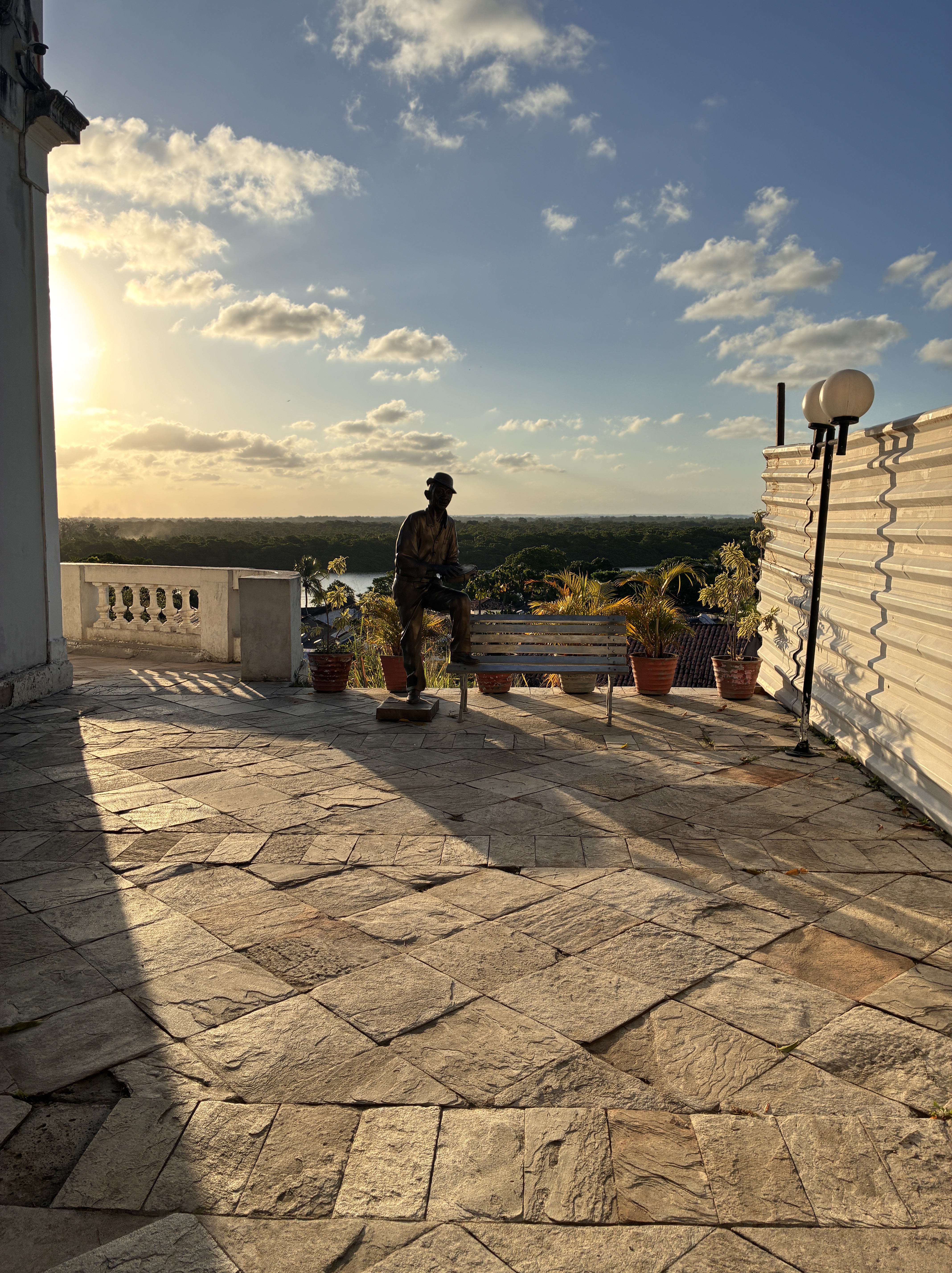
Sunset at Hotel Globo
This is another popular spot to watch the sunset. It’s no longer a hotel, but it has artwork for sale and a lovely view over the river. On the night I went, there were also a city music festival going on in the courtyards just outside.
Sabadinho Bom
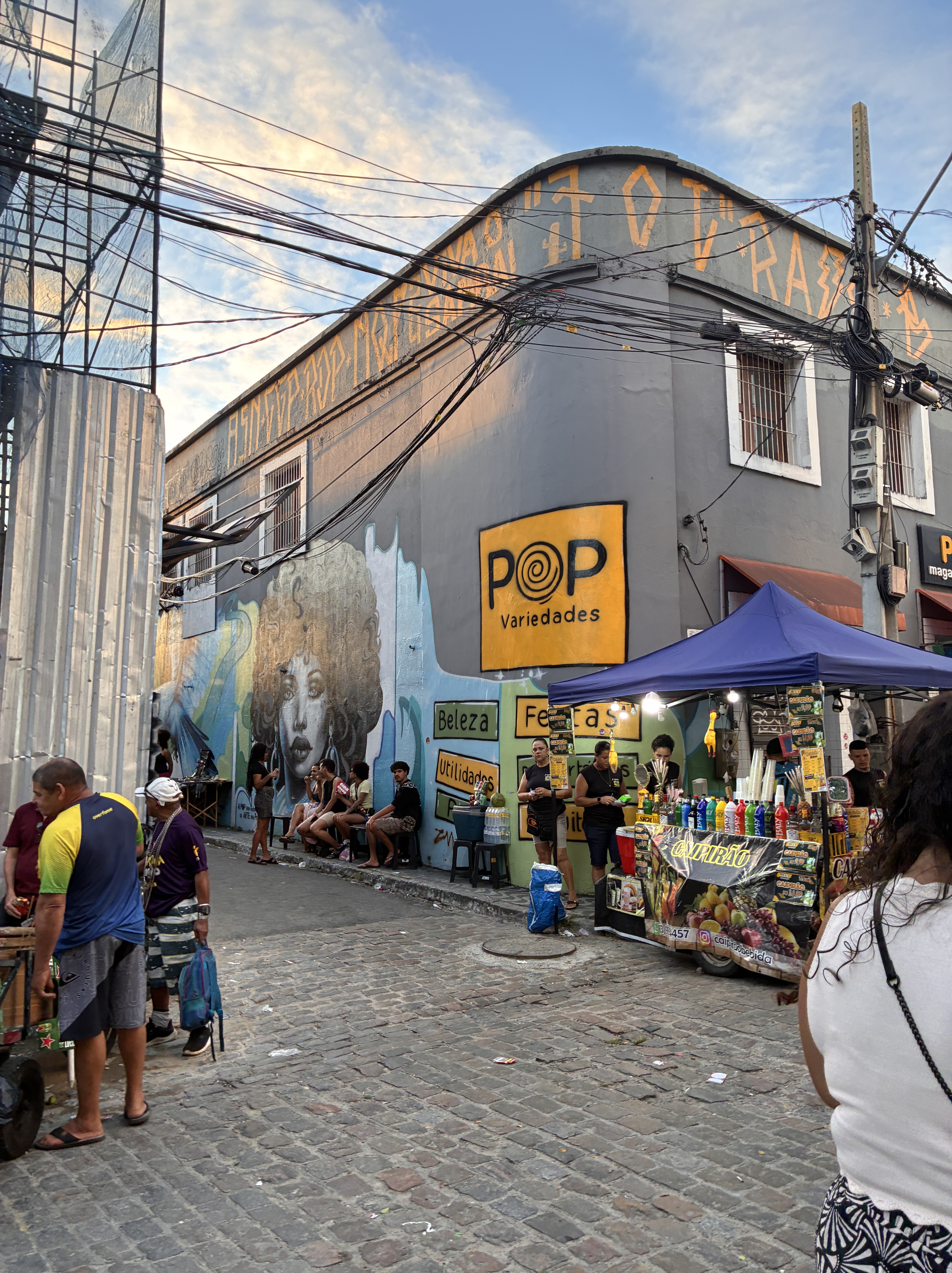
This is a classic experience in João Pessoa. Members of the city gather together to sing, dance, eat, and drink.
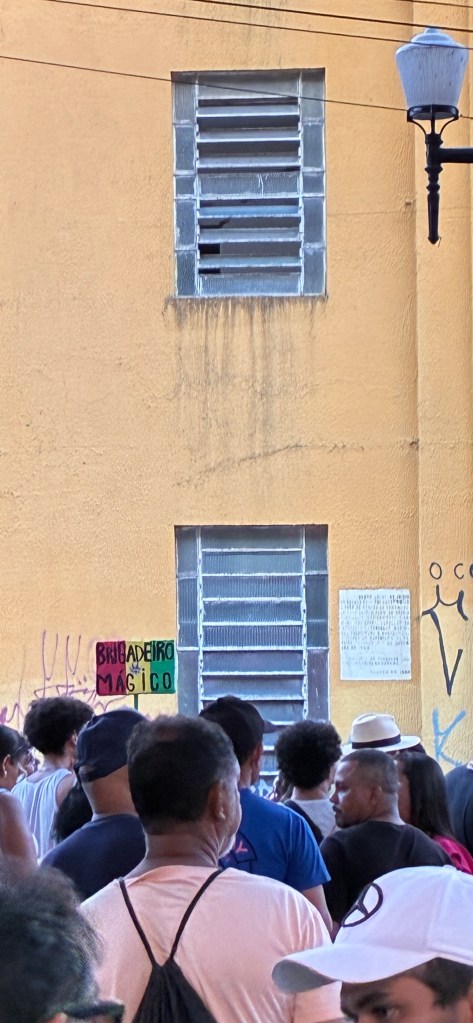
I’ll admit that it was a totally overwhelming experience for me. I would have preferred to arrive earlier on in the day when there’s an older crowd and gradually get immersed into the festivities. By the time I arrived, there were people totally hammered and it was pretty packed.
Then, a political group came in to which even my Brazilian friends said killed the mood of an event that should have been a good-time-only vibe. This wasn’t the first time a political group marched into a music event. They were also routinely driving open-air party vans around the city or rallying on the street, but it was an important election season, so supporters of each side were doing what I suppose is expected.
I cannot confirm just how “magical” the advertised product was in the photo to the left, but it was hilarious to see someone so openly promoting.
Clothing Donations
I decided during my time here that I wanted to get rid of one piece of luggage and travel even lighter. So, that meant getting rid of clothes. It just so happened many of my heaviest items were dresses, like my beloved denim dress that was skintight and my Uniqlo bra dress which wasn’t exactly forgiving and also wasn’t sweat-wicking. I made a post in the Jampa NomadTable city chat and someone who routinely donates items told me about Hospital Padre Zé and Donos do Amanhã, an organization that helps children receiving treatment for cancer. I couldn’t get in touch with the latter, and one of the comments on Google Map said that the hospital was really in need of clothing donations, so I took an Uber over to the hospital and explained why I was there. Although I am hyper independent to a fault, I strangely was worried about going by myself, but it turned out I had enough Portuguese to explain that I simply wanted to donate clothing.
In Conclusion
I’m sure there are things I’m missing. But just like my Colombia recap, it seemed to take me a while to sit down and actually write this post. So, I’m just going to hit send and put it out there! What’s important to say is that João Pessoa was absolutely lovely, and it has set a standard for what I personally want in my nomad destinations. Obviously, different people want different things. For me, I want a safe place, with friendly people, and sand under my feet.








Share your thoughts and/or questions.