I’ve seen some people belittle nomads by saying that we are simply running away from our problems. These people love to use the quote, “wherever you go, there you are” as an assertion that nomads move around because we are trying to evade something. What they fail to recognize is that many of us nomads live this way because we have a high desire and threshold for experiencing new places despite it being challenging. If you move for a career, no one bats an eye. If you move because you simply want to, some people seem unable to comprehend.
Whether abroad or in the United States, nomading has played a part of my life for a decade. It’s what’s natural to me. And I am going to pursue it because it is a blessing to be able to exercise my free will. It doesn’t have to make sense to people who want different things in their own life. In fact, those naysayers are more correct than they might even notice. One of the greatest positives of being a nomad is precisely that you are constantly being faced with yourself in new environments. It helps you to identify patterns and to know yourself better than you might while sticking to one, familiar environment.
Here are some ways that being a nomad has pushed me to better myself:
I now worry less about the future
I’ve stopped longing for the day that I get to live out my dream because I now experience it each day. In practice, it may be less exciting than it sounds — I still spend a ton of time on screens doing mundane things and have to live on a budget. But I simply enjoy being in new places and attempting to set up a routine, then trying it all over again in a different environment.
I am also consistently reminded that I can plan a trip to a T and things will still happen: earthquakes will occur, states of emergencies will be declared on the day that I land, government responses to protests will shut down entire neighborhoods, there will be lodging letdowns, and so on. It’s become less about worrying if something will happen and instead pivoting and noting lessons learned when they happen.
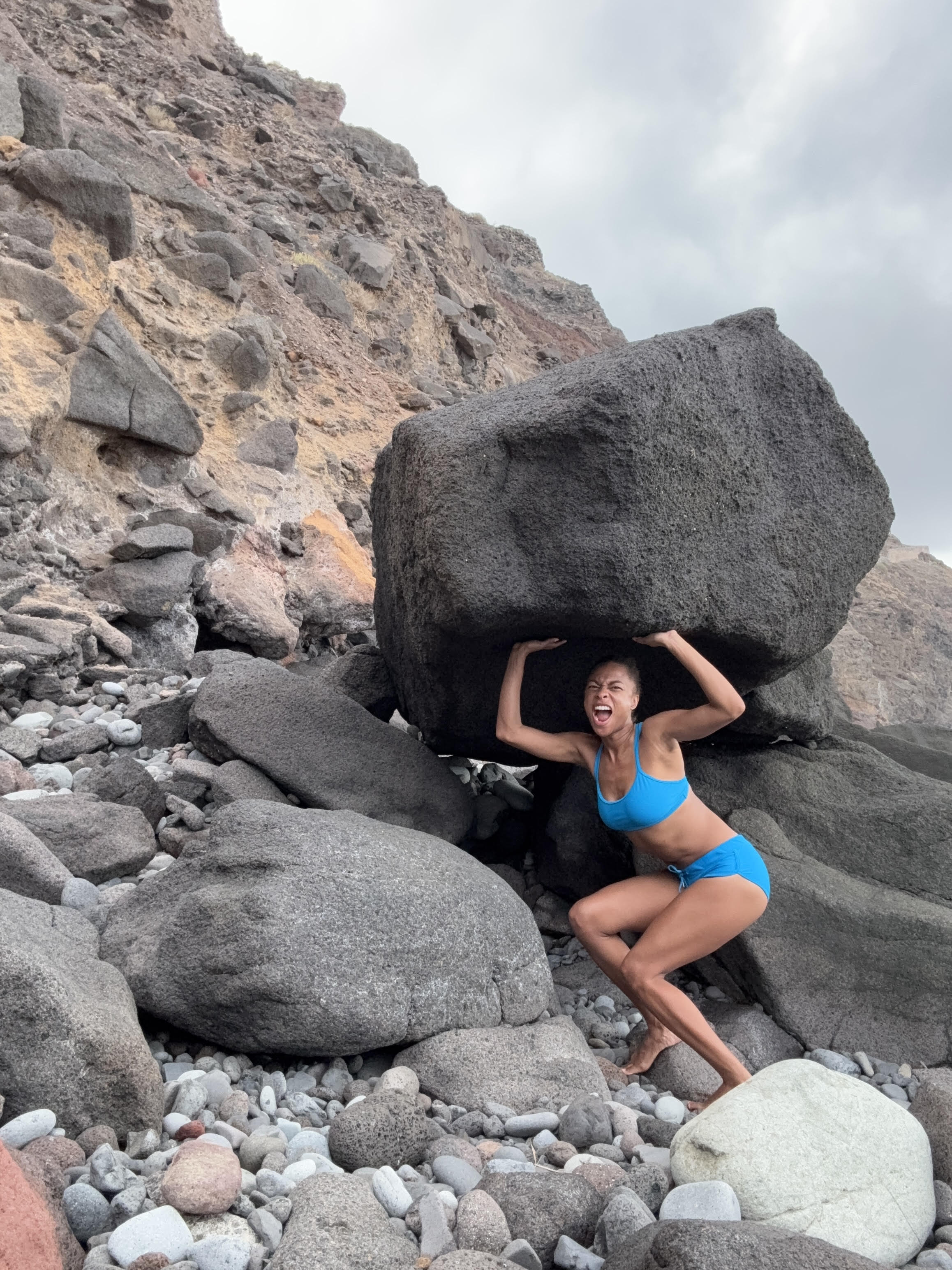
In many ways, this is the most unstable my adult life has ever been. And that’s okay. I understand that there’s no way to stop “life from life-ing,” as the saying goes. What’s most important is that I am happy with the life I choose to live. That is indeed a privilege.
Nomading helped me to accept the “reason or a season” adage
The idea that platonic people come and go in your life is something I was often uncomfortable with. I couldn’t understand why two friends wouldn’t try to keep in touch over the years even as their lives evolved. That kind of loyalty felt like an easy enough prospect to me. Now, the sheer number of people I meet and know that I will likely never see again has thrown me into sweeping acceptance.
I imagine nomads who are 30+ years old are meeting new people at a rate that outpaces their peers who are settled in place and who have homes and growing families to prioritize. Perhaps this makes friendships while nomading become a question of overall reasonability and not just location.
I am learning a lot about what connections deserve to be prioritized and working to not swing wildly into the opposite direction, where I’d avoid making connections just because I know it may meet its end. I understand there will be seemingly promising relationships that will simply wither with time. Since I only want to keep up with relationships where the intentions are mutually exercised, I more easily let go of connections that fade.
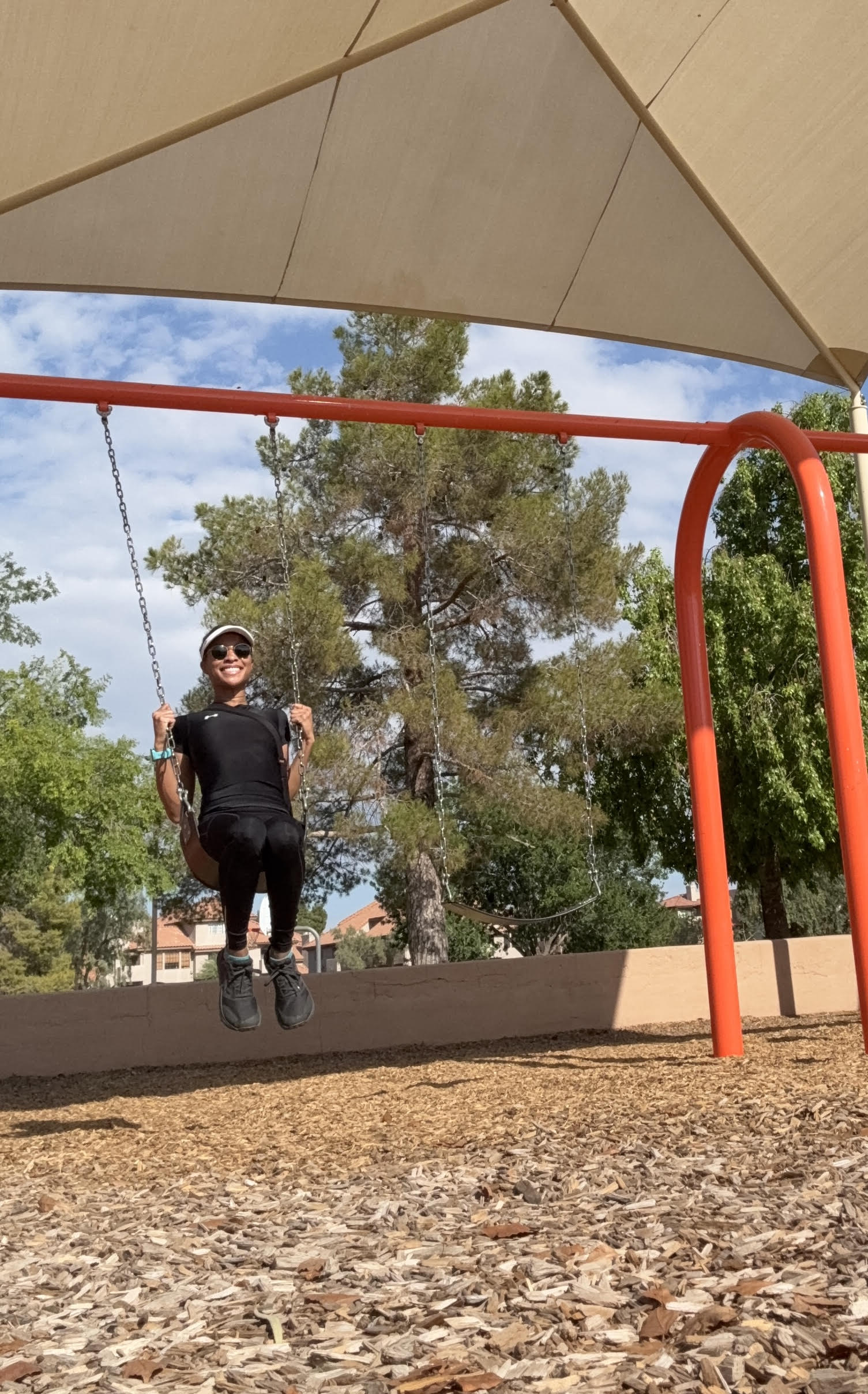
Living as a nomad acts as a sort of “exposure therapy” for my obsessions
I’m one of those people who can be quite obsessive about things. I remember learning about germs as a kid and picking up of a habit of soaping my arms as if I were scrubbing in to perform surgery. My mother had to inform me that washing your hands only up to your wrists would be sufficient for the average person. I still teeter into what may be seen as absurd by others, like how I completely sanitize my phone whenever I return home for the evening. But constantly changing what “home” is every month or so has forced me to try letting go of certain habits. And it’s shown me that many of the things I worry might make me sick do not in fact harm me and that whatever cleaning an Airbnb host has claimed to do before my arrival seems to be good enough (the state of most cooking and eating utensils in Airbnbs, however, is another story for another day). I still have some things that I’m working through, but that’s life; I remain a work in progress.
It boosts language acquisition
I’ve had a long history of learning languages purely because they interest me, and there’s a clear difference between studying a language and actually putting it to use. While it’s easy to fall into a nomad bubble where you perhaps spend time only speaking your native language, nomading is a great way to increase your skills in a foreign language because you get real-life practice opportunities.
It cannot be overstated how helpful learning the language of your destination is. I can join fitness groups, attend weekly dinners using only the local language, watch live plays at the theater, volunteer in the local community, and make friends with locals who didn’t grow up learning English. This vastly changes the experience I have. Plus since I travel solo, it’s important for me to be able to navigate things on my own and language is a key factor in that. I often think about how isolating being in some of these destinations would feel if language kept me from structuring my life the way I desire. That’s why language is a key determining factor in how I plan my future as a digital nomad.
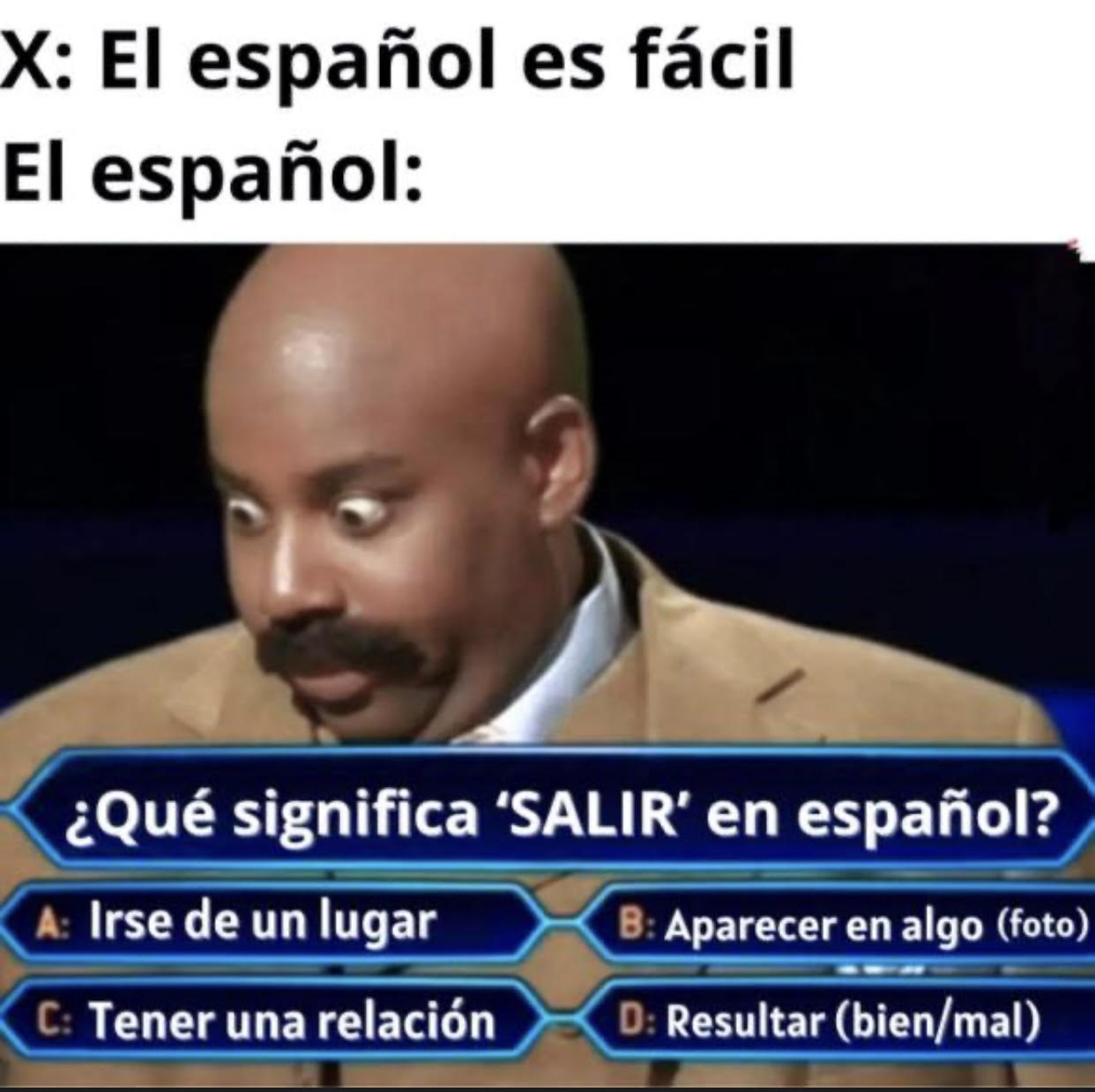
There are some caveats. It’s easy to start picking up Spanish and nomad around LATAM endlessly, whereas other areas are densely packed with multiple languages and the length of tourist visas doesn’t always allow for deeper language immersion. I have some plans for how I can maximize my experience should I visit some of these places in the future, namely student visas. It would be cool to spend a year or more in a country in SEA and face my fear of learning a tonal language! For now, I consciously work out how I can balance visa restrictions alongside maximizing the time I spend using any new languages that I pick up.
I, ironically, no longer travel light
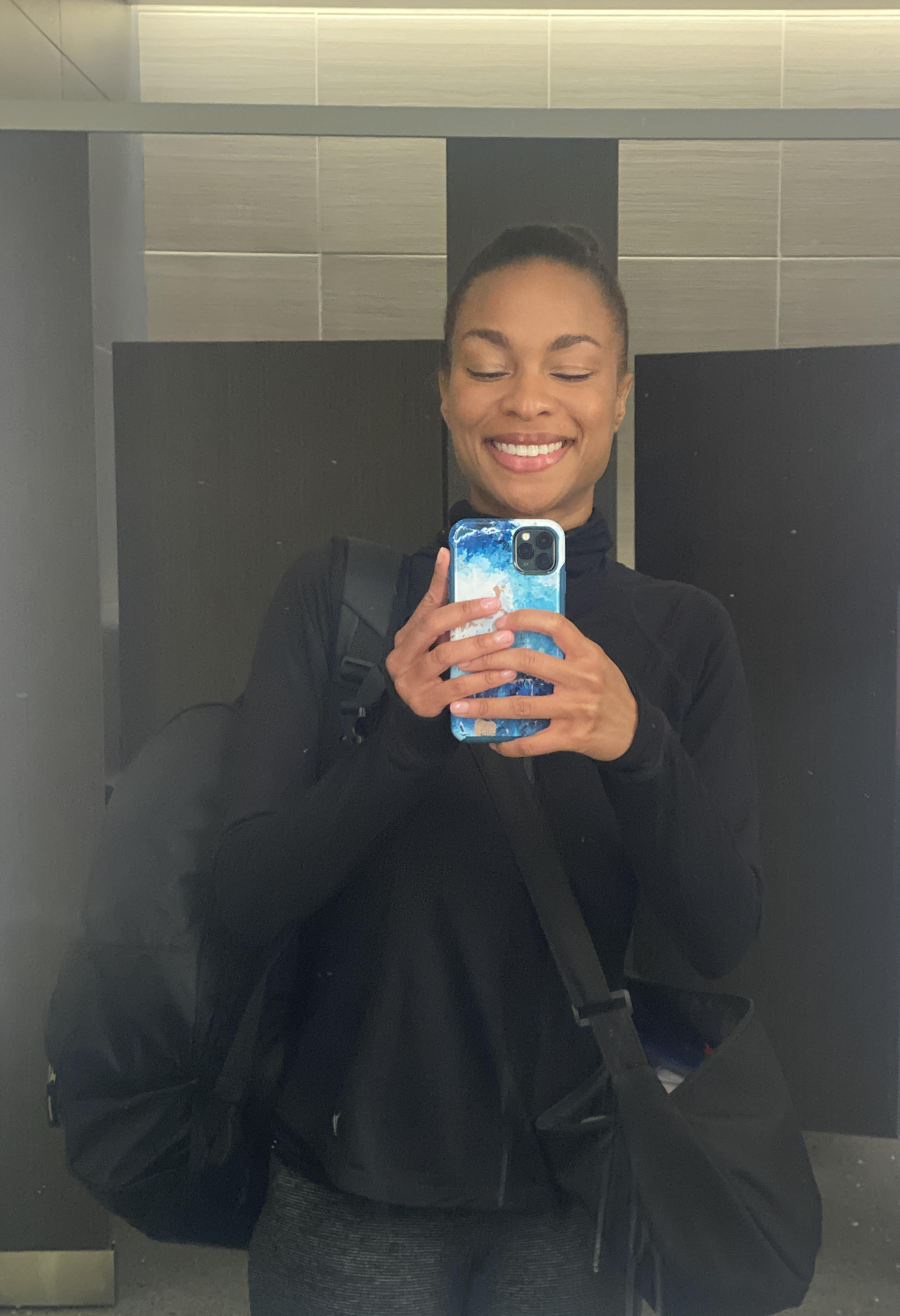
I used to be known for traveling around with just a backpack no matter how long the trip or vacation. Now that I’m a full-time nomad with no homebase, I travel with a backpack, checked suitcase, and carry-on suitcase. In the world of a nomad, some people see this as too much stuff. I’ve even judged myself for the amount of things that I travel with and have had to accept that I am doing what works for me. Whenever I do a short-term getaway, I return to backpack only. But when I’m staying somewhere for a month or more, I know that I’ll be able to travel with things that make my stay more comfortable.
The idea of stuff and belongings is an interestingly alluring one. I sometimes look at furniture and clothing websites and plan out a haul that I’ll never actually purchase just to satisfy an urge. Then, I close all the tabs and go along with my merrily nomadic life. I remind myself that I’ve been there before and that as lovely as my blue velvet sofa and brass accent decor were, I accumulated many of those things in the hopes that they would fundamentally change who I was at my core and make me into a person who wanted to be anchored in just one place. It didn’t. If I ever find myself in a position where I can sustain a homebase and still travel as extensively as I’d like, then that could change. For now, I’ve already played the accumulation game and in the end, I didn’t want that more than I wanted travel.







Share your thoughts and/or questions.