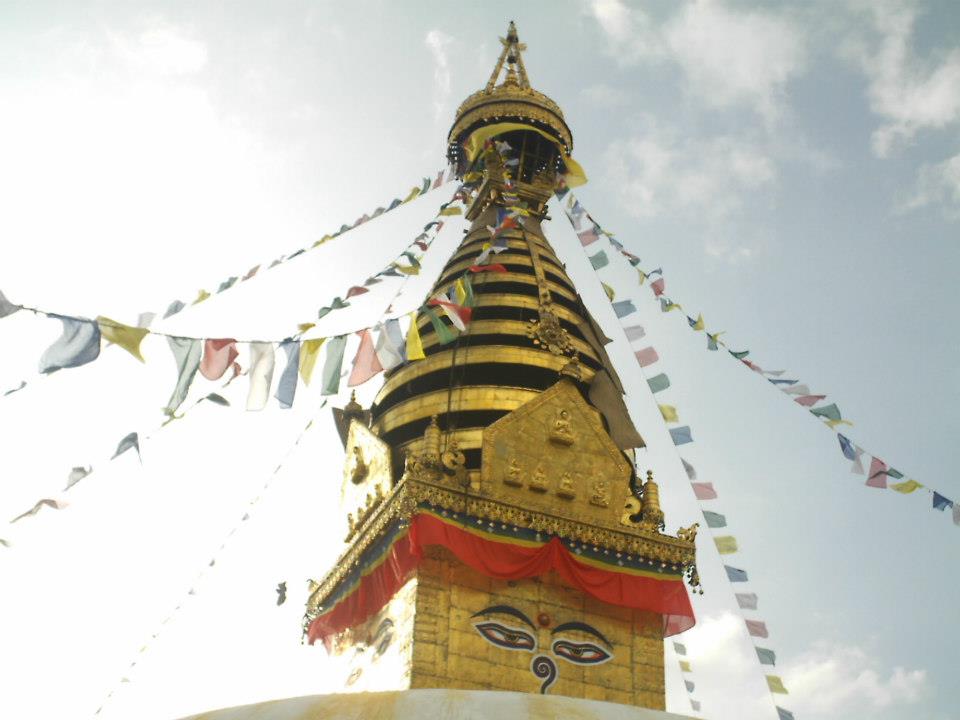
I studied abroad in Nepal in 2012 and though I’ve mentioned it here and there on this blog, I’ve never written an actual post about it! Looks like now is the time 🙂
Why Nepal?
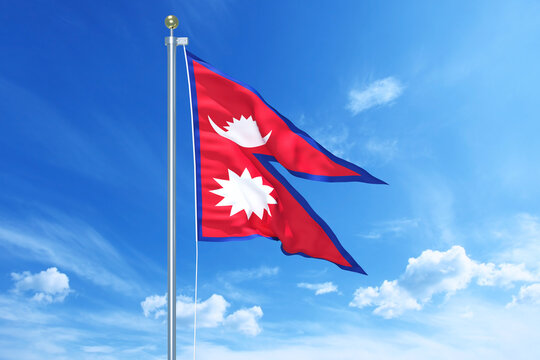
I’d wanted to visit Nepal since elementary school. I was always one of the shortest in my classes, so it was easy for me to line up in size order, which we did every day. I’d stand at the front of the line waiting for the rest of my classmates to organize their lengthening bodies and stare at a posterboard of the world map to my right. I was too short to actually see where each country was located in the world from my vantage point, but I could see the pictures of all the world flags at the bottom of the poster. Nepal’s flag stood out to me. It’s the only flag in the world that is made up of more than four sides. I figured the country itself had to be as unique as its flag and began devouring fiction and nonfiction books about the country. Actually studying abroad in Nepal was essentially the start of my wandering ways.
Did You Speak the Language?
One of my greatest dreams growing up was to learn foreign languages. Unfortunately, I didn’t have access to that privilege. However, I found myself overwhelmed with my foreign language choices once I finally made it to college. I wondered if I should choose something practical based on the number of speakers worldwide, but my passions told me otherwise. I was close to choosing Japanese, which is why I’m so grateful I still had the chance to pursue that dream via self-study in 2024 and during the subsequent backpacking trip in Japan that same year. Ultimately, I chose to study Hindi and Urdu in college, mainly because Hindi’s Devanagari script is shared with Nepali. It was a start in the right direction. Hindi is also widely understood throughout Nepal, thanks to Indian media making it across the border (and around the world).

Why Did You Choose Your Specific Program?
I did my research and found that there weren’t many colleges with a study abroad program in Nepal. My own university didn’t have one, but it was a dream that I wasn’t going to give up on. I went through a petition process that was so lengthy I actually was accepted into my study abroad program with Pitzer College far before my own university officially agreed to grant me the academic credits from an external institution, but only on a pass/fail basis.
The reason I went with this specific study abroad program was because it allowed me to conduct sociological research for my major and more importantly to me, Nepali language was the main focus of the program. We studied Nepali 4 hours a day, 5 days a week, and signed an oath to only speak English one hour a week at a designated time. In fact, when it got out that I was speaking Hindi with my host family (honestly, I just wanted to make my life a little easier and at least it wasn’t English! ), I was scolded by the program manager. They took the language learning seriously, and I appreciate that. By the end of the program, I spoke the language fluidly as it pertained to daily needs. I couldn’t discuss the nuances of politics or social issues (and I met a number of people who wanted to discuss these issues with me), but otherwise, I could easily get around communicating for myself.
I dream of such an immersive experience for my future language pursuits. It’s why I was so dead set on attending Japanese language school for so long. And I have a running list of countries that offer one or two-year student visas for language learners for whenever I want to pause nomading so frequently.

So…How Was It?
Tough. Our program was very immersive. That means we lived with load shedding, water access issues (some host families had no running water), various health matters, and the list goes on.

Menstruation
We mainly stayed with Brahmin families, those considered at the top of the caste system, and had to follow their social customs. The one that was hardest for me were those surrounding menstruation. I had to grow accustomed to announcing that I’d “become impure” whenever my cycle started and made sure to not enter the kitchen or accidentally have myself or my clothing touch male host relatives during this time lest they be considered tainted as well. After a few days, I’d then have to wash whatever I’d worn during that time. It was made all the more difficult for me because I was in the early days of suffering from fibroids and already in my own battle with my cycle. To be clear, not everyone in Nepal practices these things. But for most of the places that we stayed, we had to follow those customs.
Race
The other thing was how my race made my experience different. The program seemingly had very little training around this and likely hadn’t come up against the matter many times before. There were only ever a handful of students in every cohort and they were usually white. I was thankful for the only time a teacher sat down and had a conversation with me about race in preparation for conducting my independent research project in a district a 12-hour journey from Kathmandu. He wanted to let me know the only exposure people there had to Black people were the boxing matches that played on television. Thanks to his conversation, when I boarded a local bus in that district and everyone started to use a term they used for Black boxers, I knew what they were referring to. It was like they’d seen a real live celebrity, especially because my natural hair was cropped low back then, just like many of the boxers they’d seen on television.

I often found it interesting that smaller villages had people who were more receptive to the idea that I was in fact American. Throughout Kathmandu, I had multiple people tell me that being Black and American was not possible. When I asked the same teacher about this, he said he believed it was because larger areas had more contact with Americans and most of those Americans were white, so they weren’t as receptive in believing me, whereas people in more remote villages would be open to the idea as they hadn’t had as many experiences that told them otherwise.
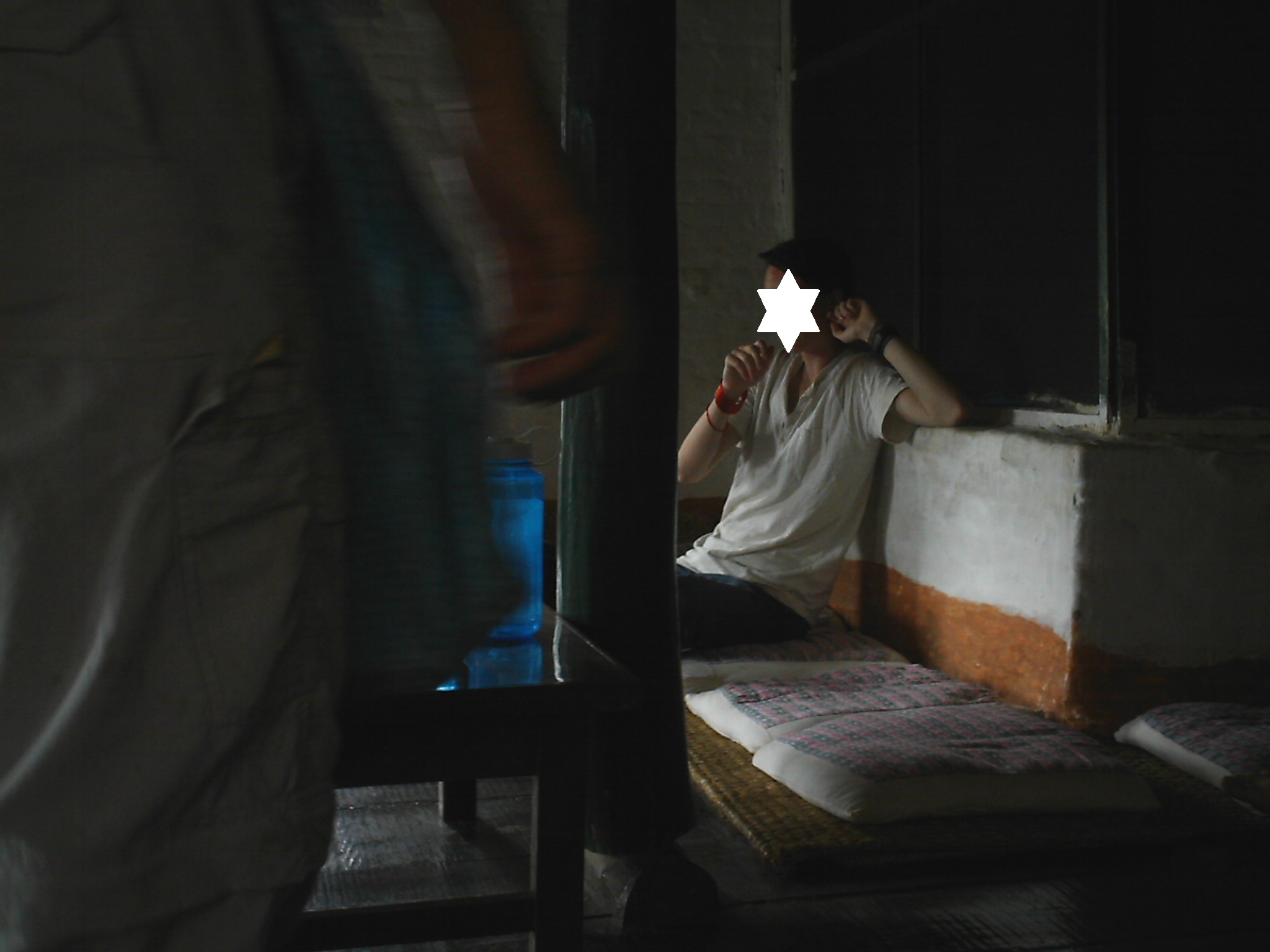
I once was walking through a village by myself and a little boy stuck his head out of a window and yelled, “OBAMA!” At first, I had my usual reaction: fatigue over remarks about my race being made upon crossing paths with me. Like when two men on the street engaged in conversation with me and laughed, telling me I couldn’t be American, but that I must be Nigerian. I’d dealt with people attempting to strip me of my Jamaican-American identity my entire life (still do), but never had they told me I couldn’t be from the USA. But then, it hit me: he called me Obama. President of the United States at the time. “Yes! He gets it! I am a Black American. Yes!” The irony of people telling me I couldn’t be from the USA when we had a currently sitting president who was Black was completely lost on me at the time. I was isolated in my experience with no one to lean on. It’s an experience many know well.
Caste System
I also happened to make friends with locals who were considered to be part of the “untouchable” caste during my time in Nepal. Those were actually some of the relationships I most treasured. These were people who graciously invited me, a foreigner and a stranger, into their homes and their families. I hadn’t realized how lucky I was that my Kathmandu family let my regular visits to an “untouchable” family slide. When another Brahmin family I stayed with found out that I’d entered the home of an “untouchable” family in the community, I was made to bathe outside at the public tap for all to see using a traditional cloth to cover my body. The news had gotten back to the host family before I had, and they didn’t want me ruining what they saw as the purity of their home.
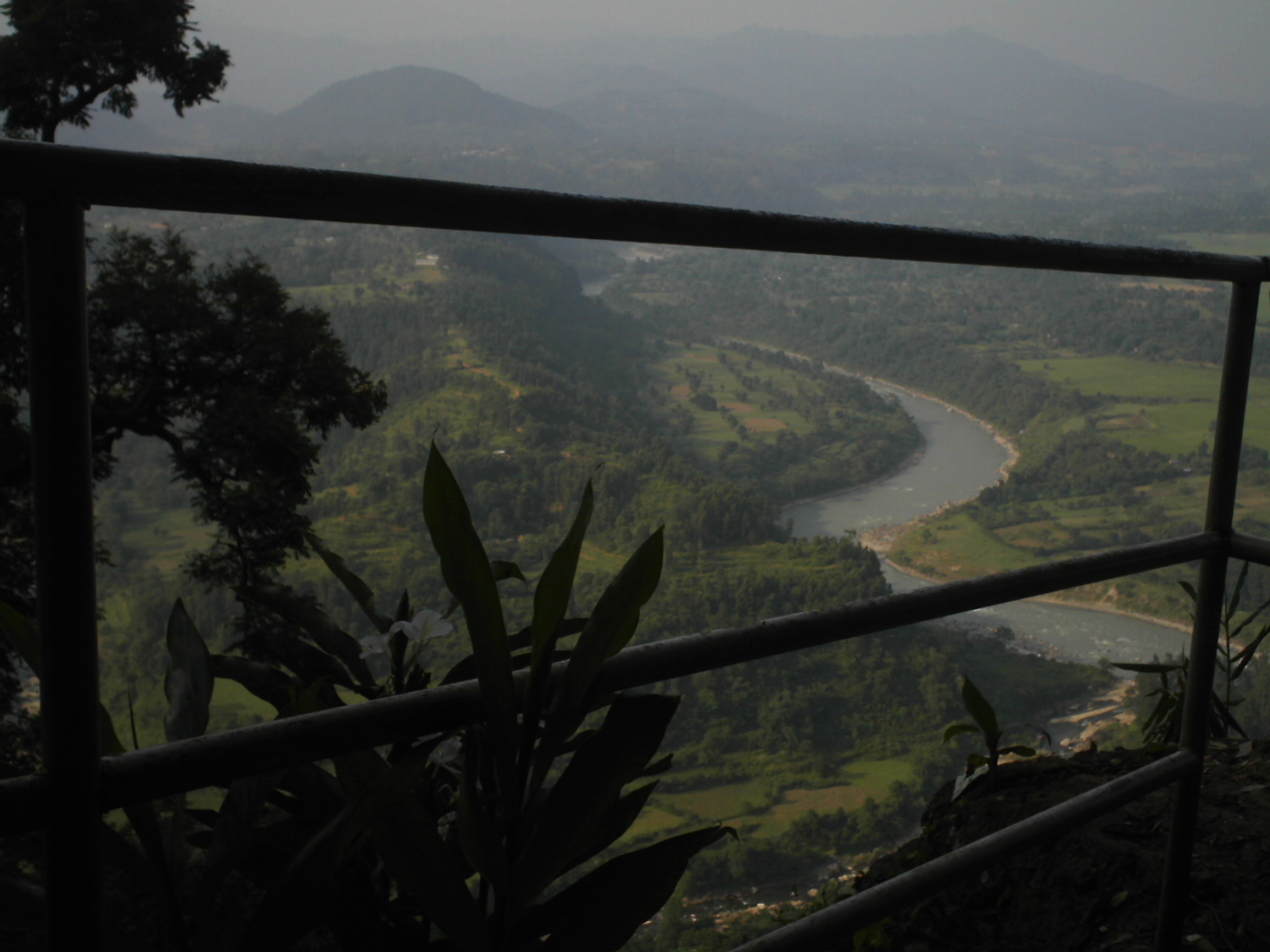
My Return
These reasons and many others were why I needed the weeks I spent staring out into space from my mother’s sofa before returning to campus for spring semester. I needed the time to unpack all that I’d experienced. I went from only ever visiting family in Jamaica to doing my first solo-ish international trip on the other side of the world. Adjusting back to campus was the next step. Some of my peers had returned from prancing around Europe and my own experience was too foreign from the usual concept of study abroad. One person asked me to remind them where I’d gone and said, “You were in Timbuktu, right?” Another friend literally spent his study abroad experience in Scandinavia attending the equivalent of circus school (jealous, tbh, circus school is another childhood dream of mine *sheds tear*). The only people who really knew the depth and breadth of the experience I had in my program were those that I’d write to from internet cafes when there was electricity or if I ponied up for the odd cafe that might have a generator to make it through power outages. Those emails cover more than I’ll get to in this post. We don’t need to be here all day 😀 But I’ll write about them in the future.
Tanting Village
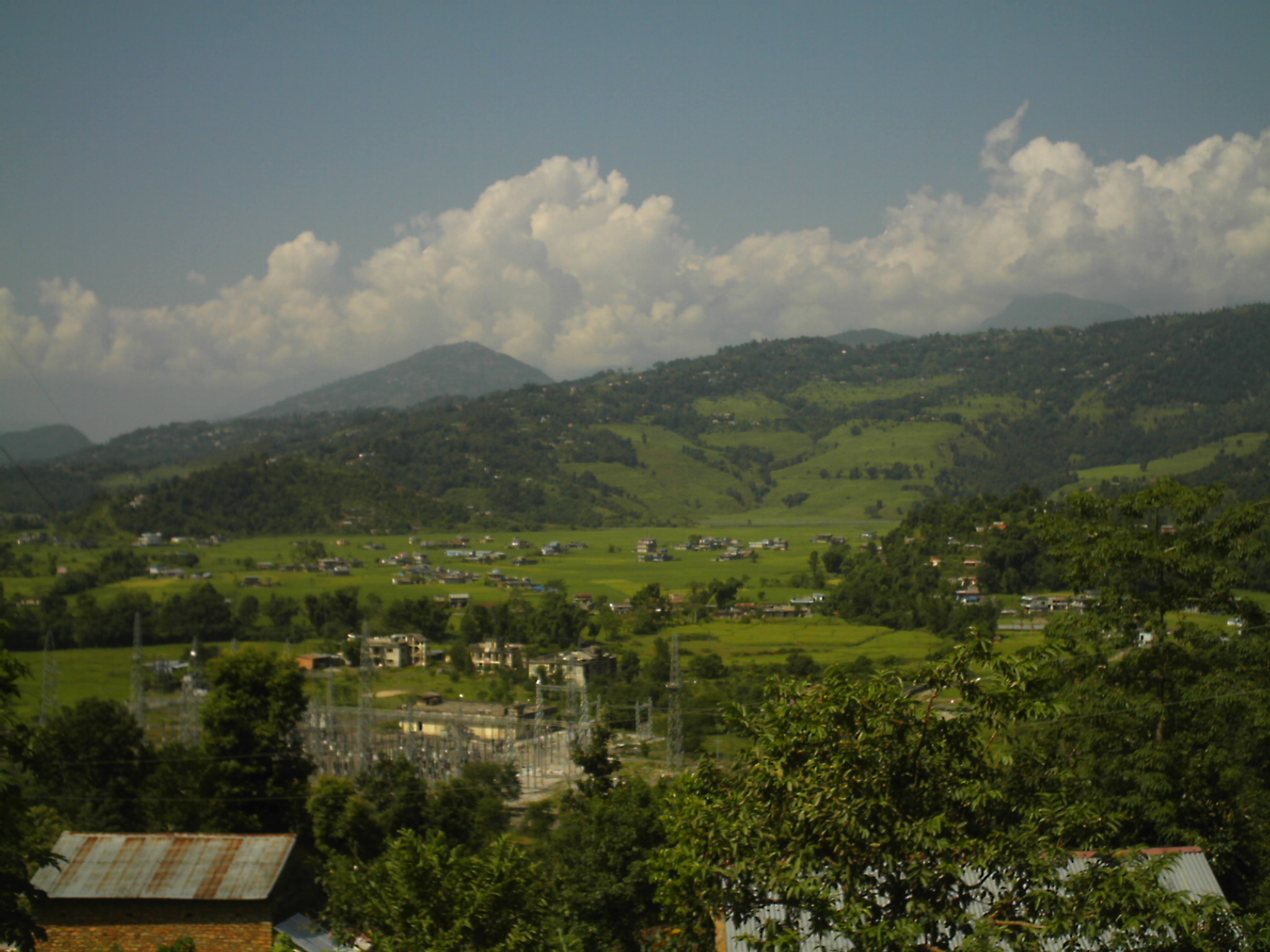
The highlight for most of us in the program was when we did our “Mid-hill Stay” in a village called Tanting, a few hours from Pokhara. The families we lived with had much more relaxed rules and our Nepali skills by this time helped smooth out the experience as well.
My First Ever Hike
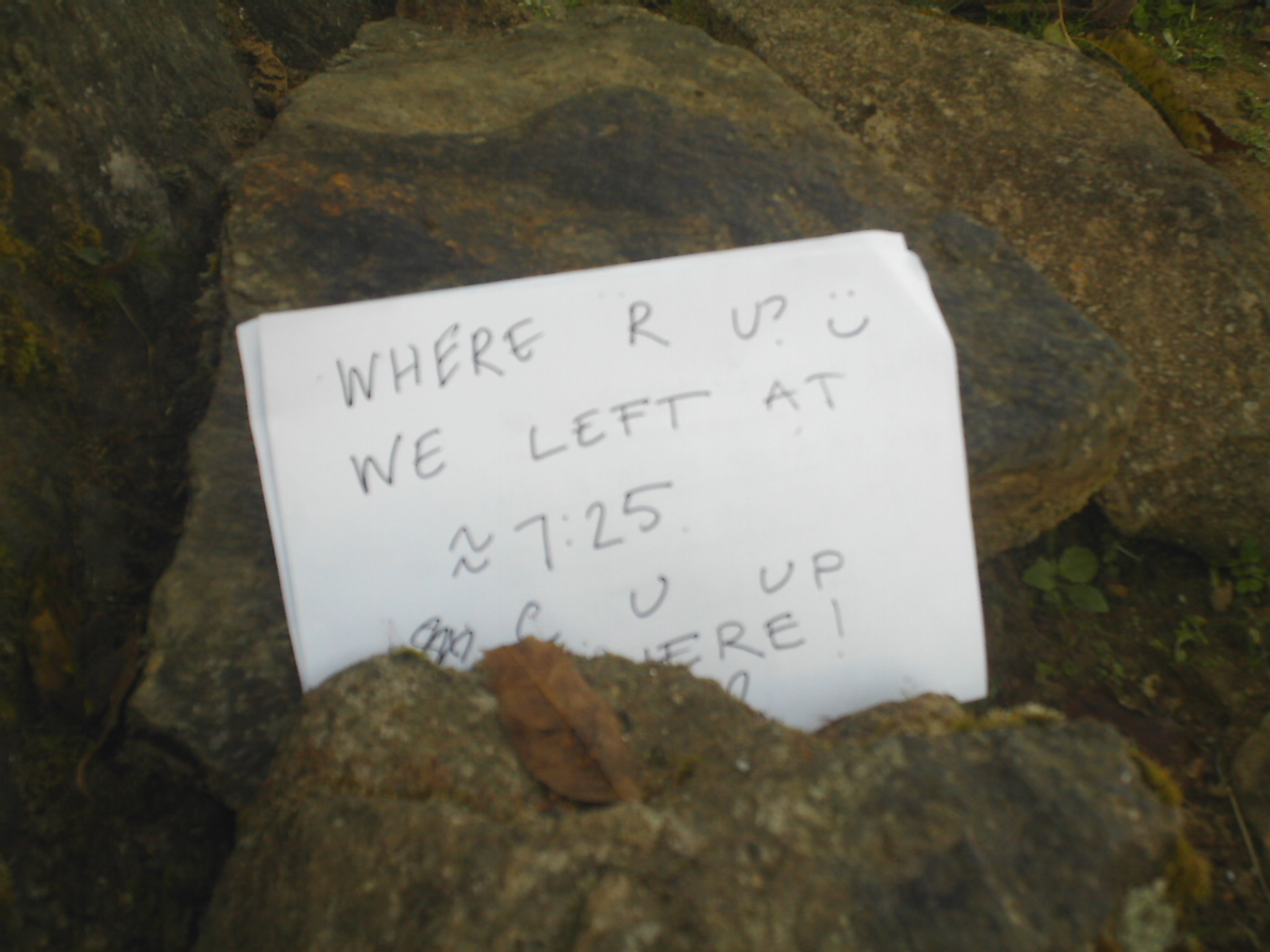
I was still so much of a city girl back in these days that I’d never been on a hike before! So when they told us that after a bumpy Jeep ride, we’d have to hike for three hours, I thought it was just a fancier way of saying it was a 3-hour walk. Folks…I didn’t bring water. My reasoning was I’d walked for that long back home in NYC without water and been just fine. I was with a group of outdoorsy classmates, many having hiked extensively in Colorado, California, and around the world. They knew better and schooled me that day, allowing me drink some of the water they’d responsibly packed. It’s wild to think of now, especially considering I’m an avid hiker today. But we all have to start from somewhere!
This experience was like being thrown into the deep end because the hike was quite challenging. At various points, instead of man-made bridges, we had to make our way across tree logs. I asked why the route was like this and one of the local staffers explained to me that monsoons routinely wipe out bridges, so it’s easier for villagers to just throw down a tree and use that for as long as it survives. Whenever there are medical emergencies in the village, which we witnessed during our time there, a few local men take turns putting the person in need on a stretcher and making the hike into Pokhara to seek medical attention.

The coffee in Tanting was fresh as they harvested it in a location just a brief hike north of the village. I would drink three cups a day while I was there! Many villagers also had dried buffalo meat. My body was thankful for the protein, so I’d pick a few strips hanging from the ceiling in my host family’s home and chew on it alongside my coffee most days.
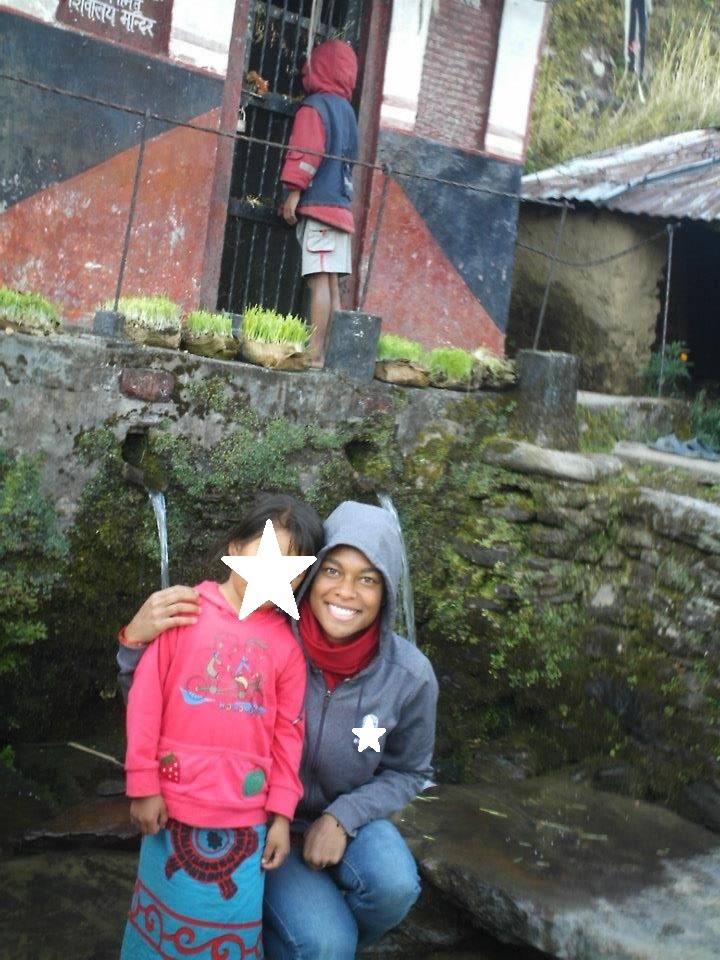
My host mom, a teacher, once voluntold me to teach English to her classroom of kindergartners. That was the first moment I realized I might actually like teaching. She and my host dad were the first family I’d lived with that was created out of a love marriage rather than an arranged marriage, but the two were open nonetheless about being at a tough point in their relationship. Their oldest daughter would leave at night to sleep at her grandparent’s home. It was clear that I was the only one worried about her hiking to their home under the cover of darkness. Her parents told me she did it all the time and would be fine, but it worried me. They agreed to let me walk her one night and it occurred to me that I was the one holding her back! Despite the pitch black of the village, she had the route memorized while I fought to keep up with her pace with the assistance of my headlamp. I’d memorized the route enough to make my way back by myself andtook time to turn off my head lamp and take in the view of the stars. Growing up in Brooklyn, I’d never experienced such uninterrupted darkness and such vivid stars. Literally out of this world 😉

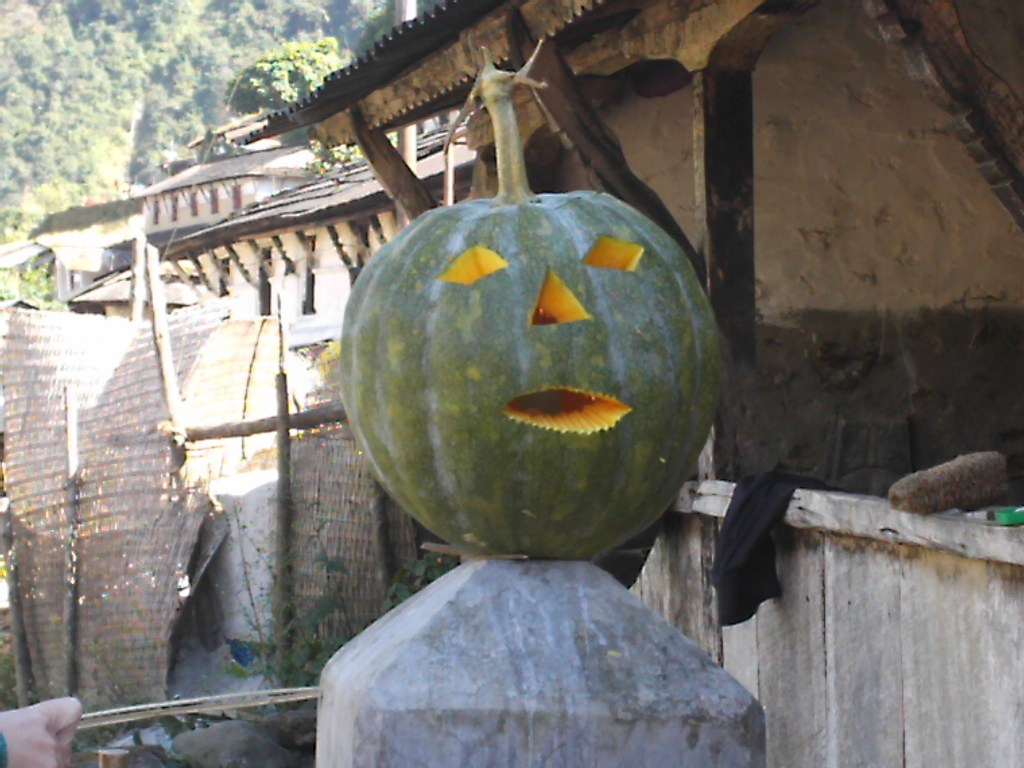

The absolute coolest thing about Tanting was it was where I saw my first avalanche. The village faces the side of a mountain where no one ventures because of how frequent avalanches are. We saw an avalanche every single day that we were there. I still remember the *POP* that would pierce their air followed by a cascade of snow down the mountain’s face. Once we were in our Nepali language class when we heard the pop. The teacher stopped for a moment, allowing for us all to watch the snow slide down. Then, we resumed the lesson.
Telling the Rest of the Story Through Photos
You may have noticed that the photo quality in this post is a bit lacking. Keep in mind that this was a long time ago and I had a cheap camera lol.


Attack of the Mosquitos
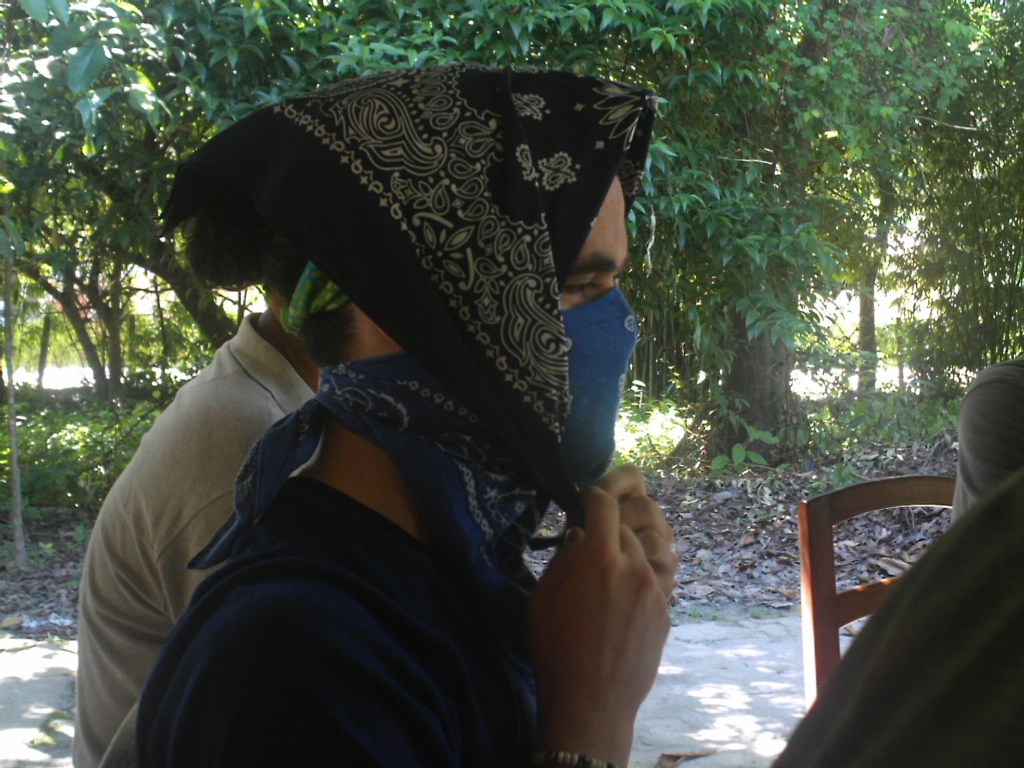
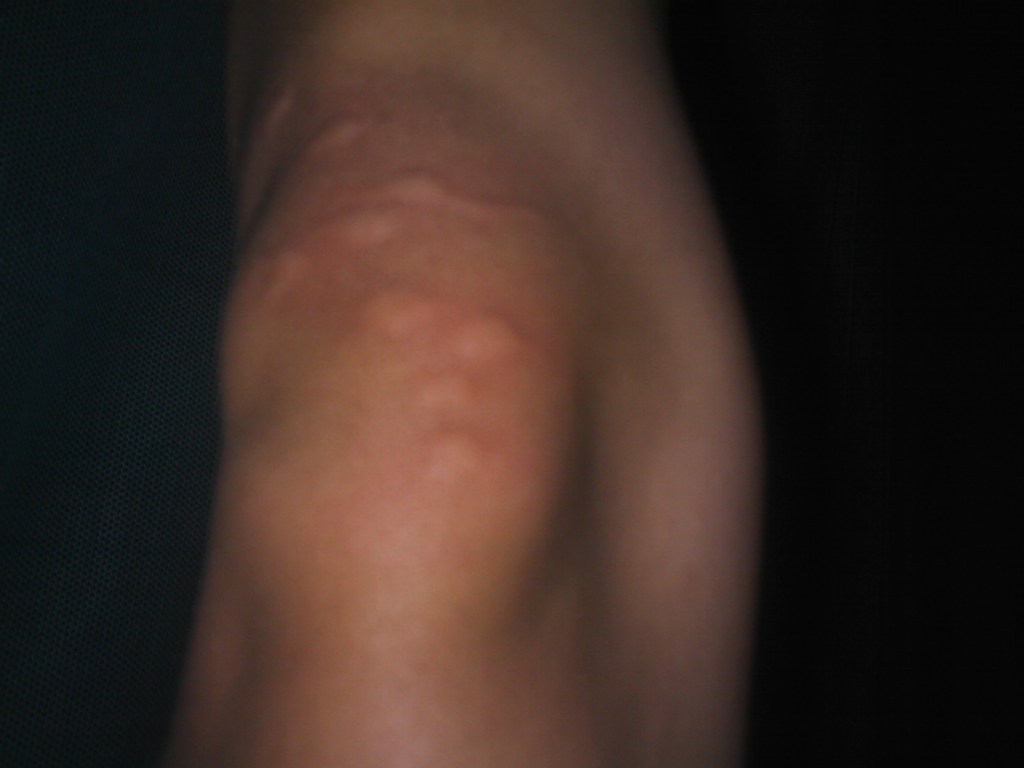
We dealt with mosquitos often, but I think it was Chitwan National Park that was the hardest. (If you’re squeamish at the sight of mosquito bites, only look at the first two photos.)


I’m oddly okay with spiders. I’ve never come across a poisonous one and they eat mosquitos. So, yay!
In Conclusion
There were ups and downs in Nepal, as with any travel, and as with anything in life. And I don’t regret studying abroad in Nepal. I prioritized it to the point that I had to make other academic and life sacrifices, but I accomplished a lifelong dream at the end of the day. It is a treasured chapter of my life.





 A home for my words.
Leave a reply to Anonymous Cancel reply