Food
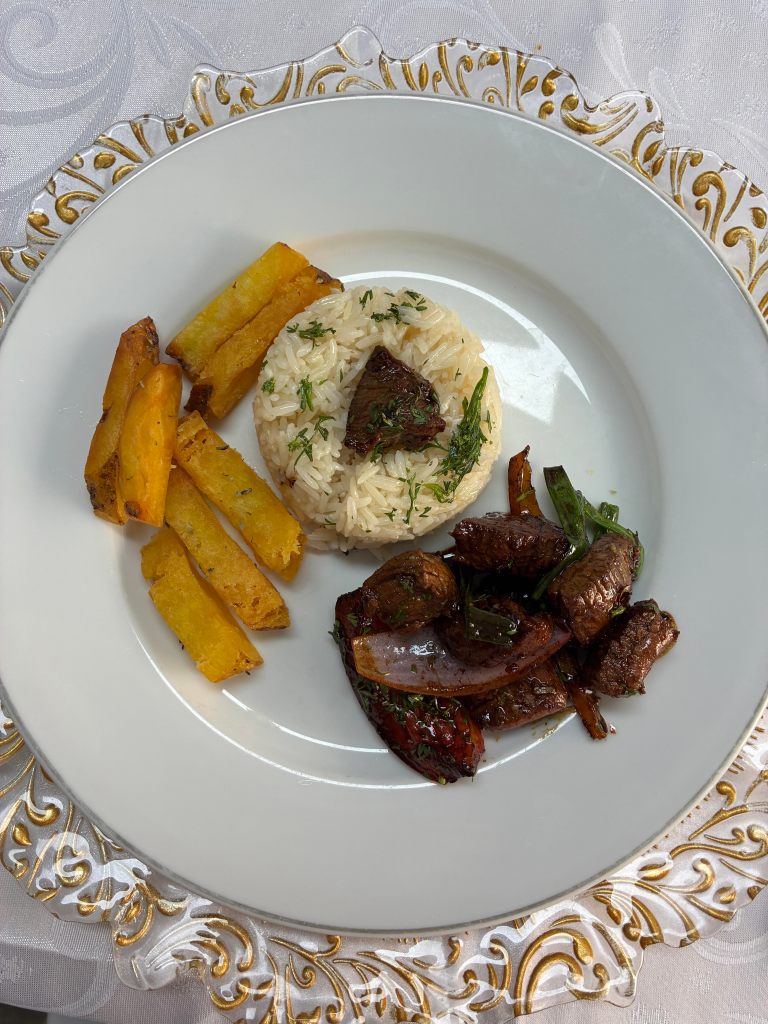
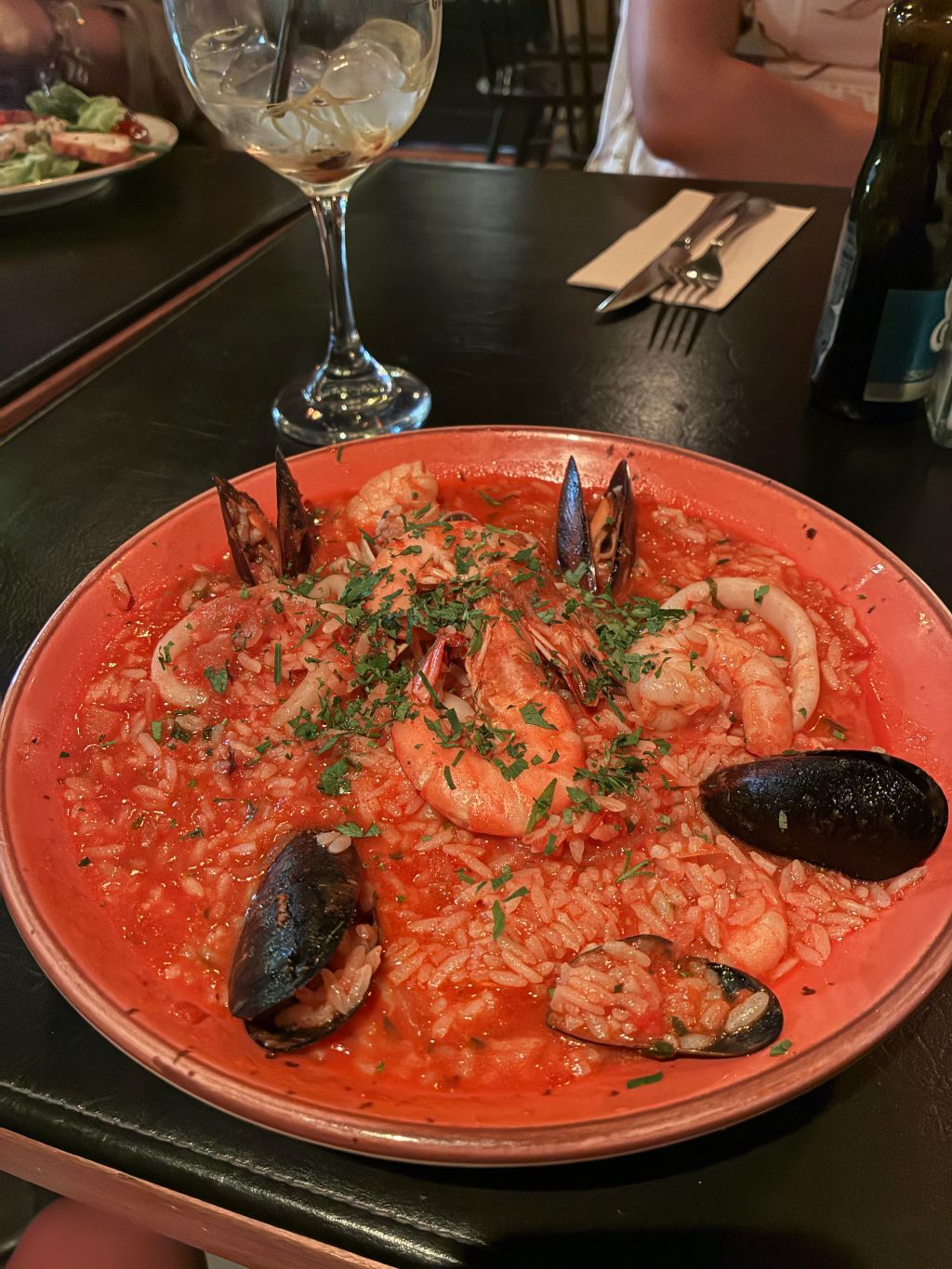
Whenever I told people I was traveling to Peru, the main thing they all raved about was the food. So naturally, the first big thing I did in Lima was take a Peruvian cooking class. While I enjoyed the lomo saltado and causa dishes that we made, it was the fruits that stole the show! I loved buying different fruits from local markets and fruit stand vendors during my time in Lima. They quality was heavenly.
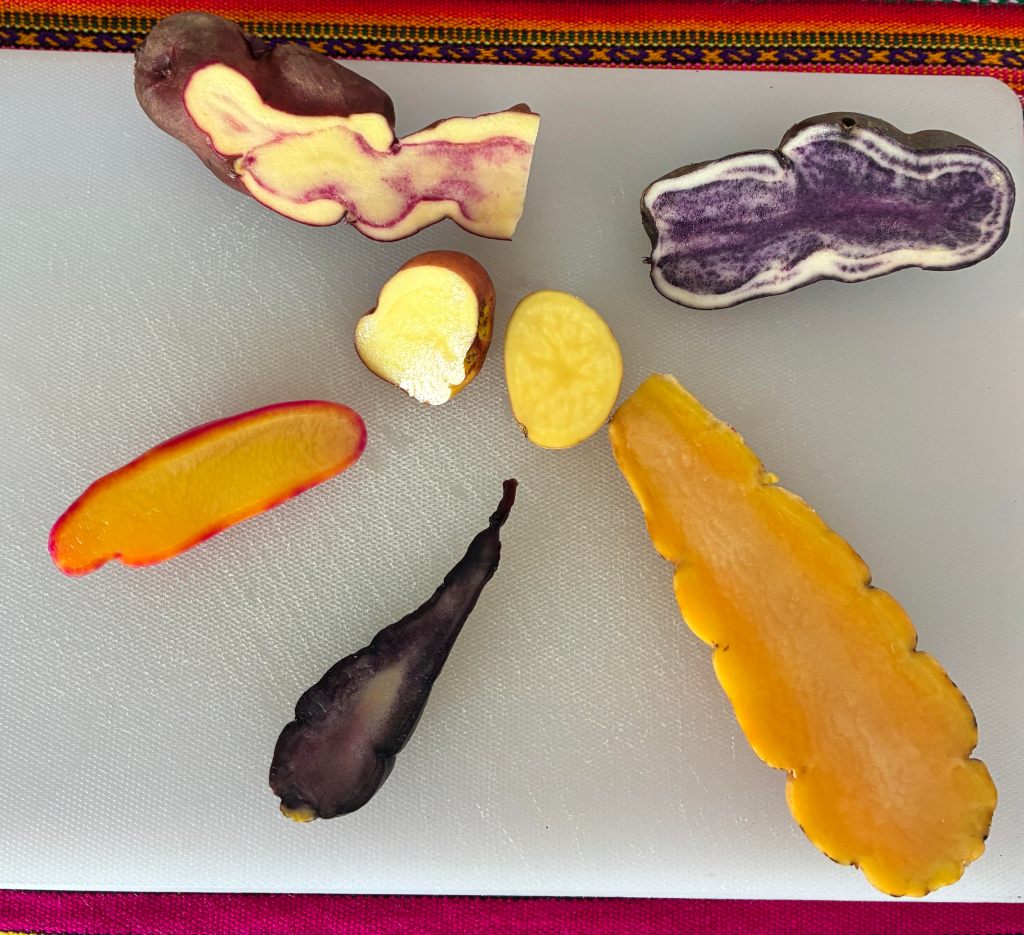
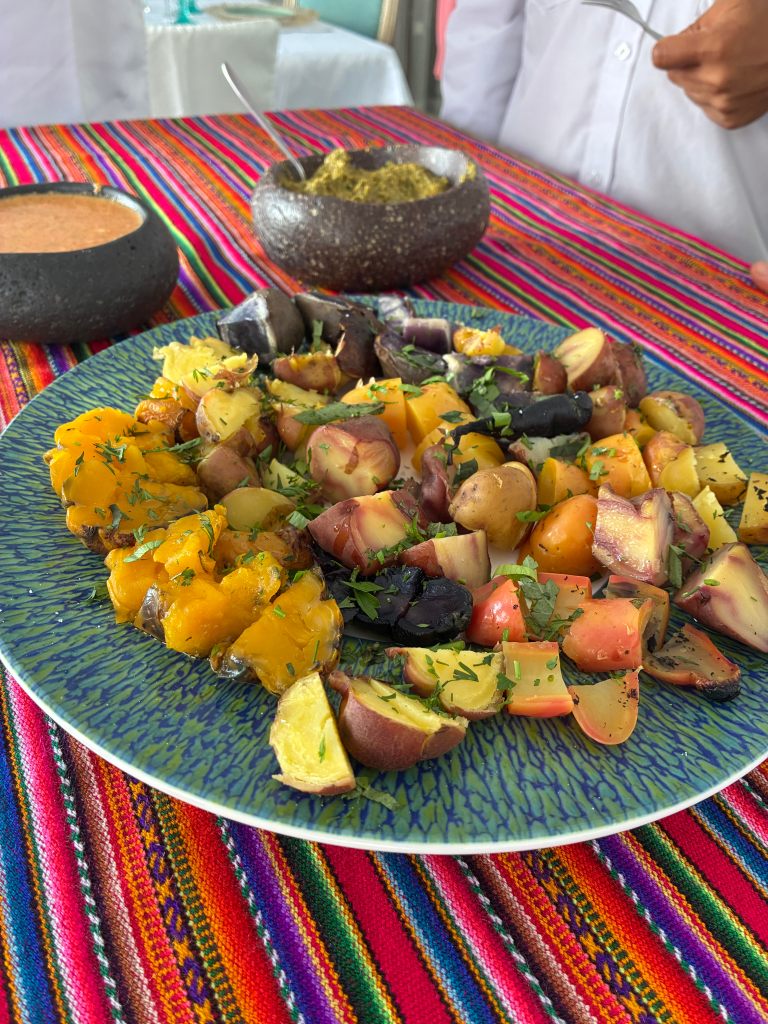

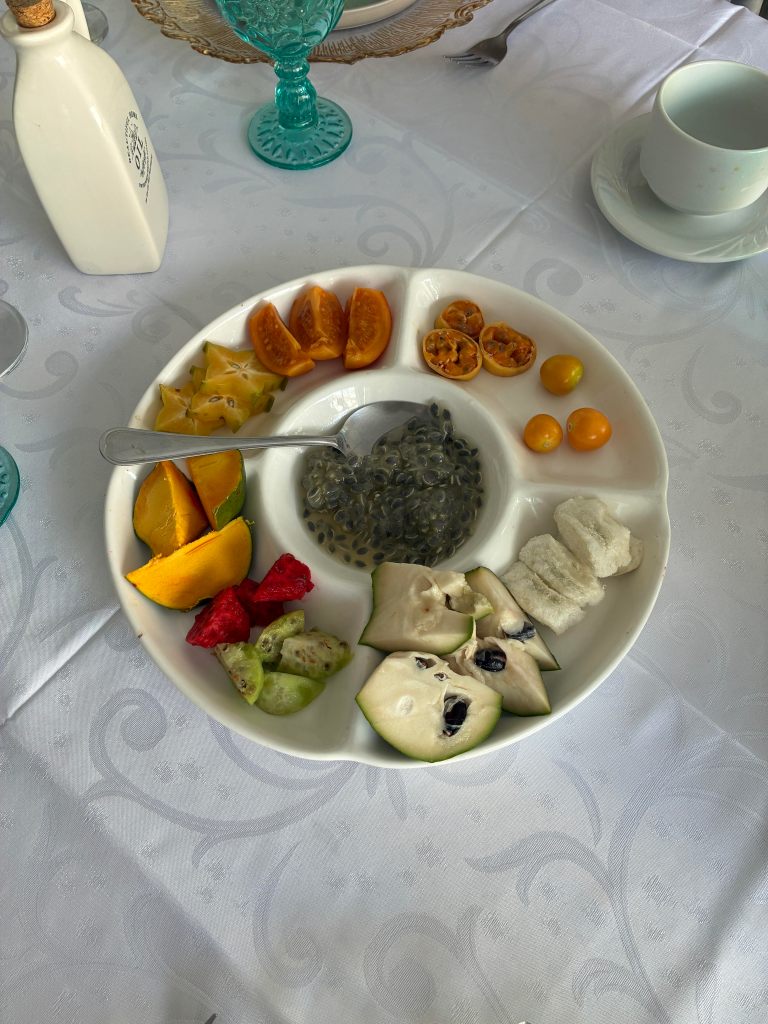
Besides enjoying the delicious fruits available in Peru, I suggest trying picarones. Squash and sweet potato are made into doughnuts, deep fried, and then drizzled in scrumptious honey. Just be careful; bees love this dish just as much as humans do lol. They’re usually sold as a tray of 5-6 for 10 soles or about $3 USD.

On Not Trying to “See It All”
Traveling around full-time is wonderful, but it can also be draining. I like to take the “nomad” part seriously, meaning I pick up and go to a new area, and then stay pretty local the entire time. I was sure I didn’t want to travel to Arequipa or even Cusco during my first trip to Peru despite others saying I simply had to. The money and energy required paired with my general lack of desire to deal with crowds of tourists made it not seem worth it this time. Any lingering guilt about not visiting them was extinguished when a state of emergency was declared in both Arequipa and Cusco due to flooding on the very day that I landed in Peru. Realistically, I could have still tried to time things out and attempted to visit them anyway (there was predicted to be at least one week without flooding), but I just didn’t want to. I can write about this sort of travel pressure another time. However, I did decide to undertake one big day trip during my time in Lima.
Day Trips from Lima
As draining as I predicted it would be for me, the temptation of experiencing Hacachina’s sand dunes motivated me enough to use one day to leave Lima. One reason I prefer a day trip over taking a few days to visit a “must-see” city or town is the beauty of returning to whatever I’m calling “my bed” and shower at that point in time.
The drive out of Lima actually had the most visually appealing and at times humorous highway advertisements I’ve ever seen. Some of them truly seemed more like a work of art than an ad.
Huacachina: The Number One Must Do Outside of Lima!
Huacachina was simply stunning. If you are in Lima and have a chance to do only one day trip, this is the one!!! Just keep in mind that it’s about a 4 hour drive from the city. It makes sense that some people decide to stay overnight, but there are plenty of day trip tours that will handle the driving so you can sleep during the ride.
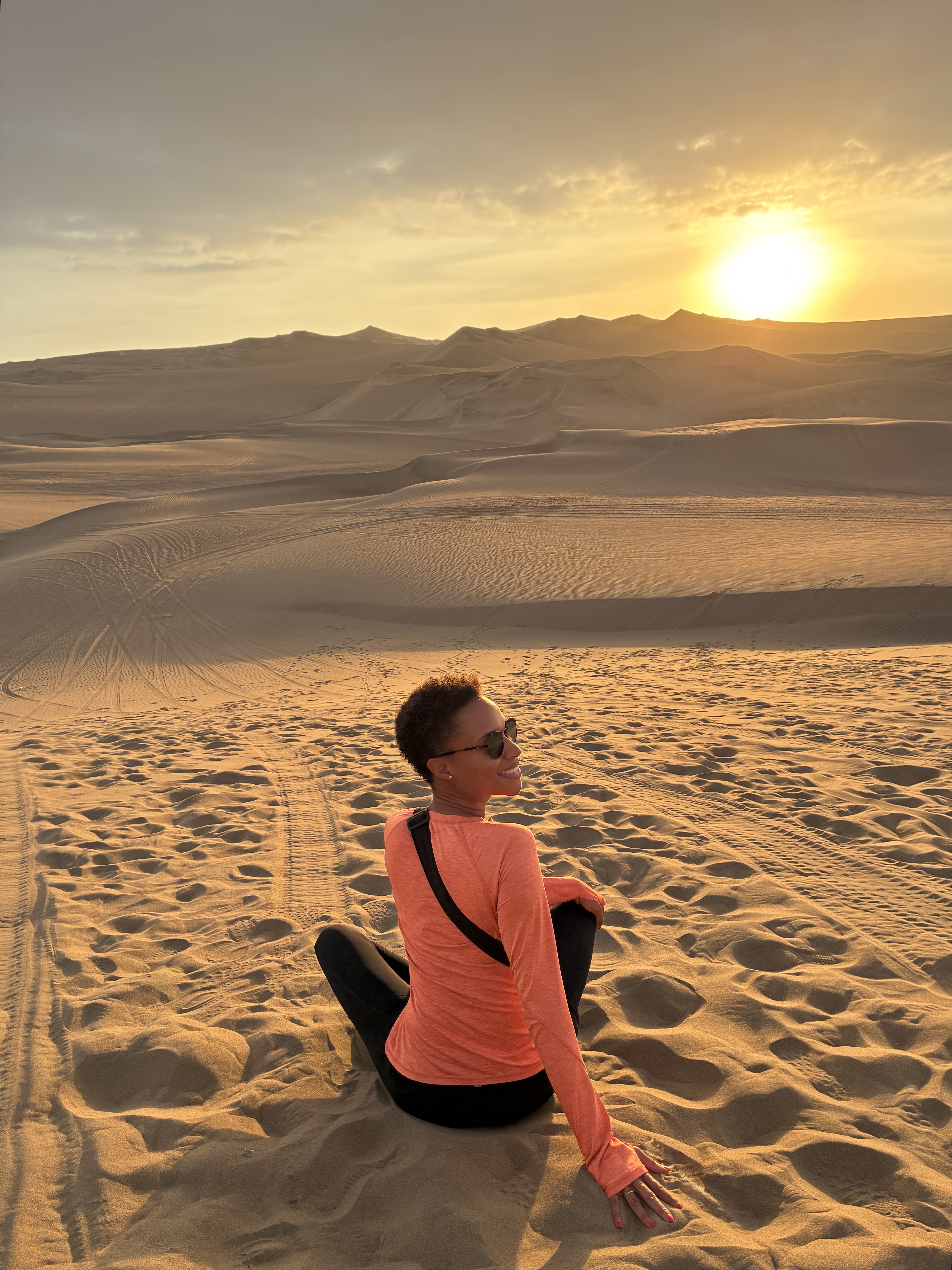
Although the town itself can be walked in minutes, I could have spent all day taking in the extensive sand dunes. It’s worth booking time overnight so that you can take dune buggy rides and board or ski through the sand dunes across two different days.
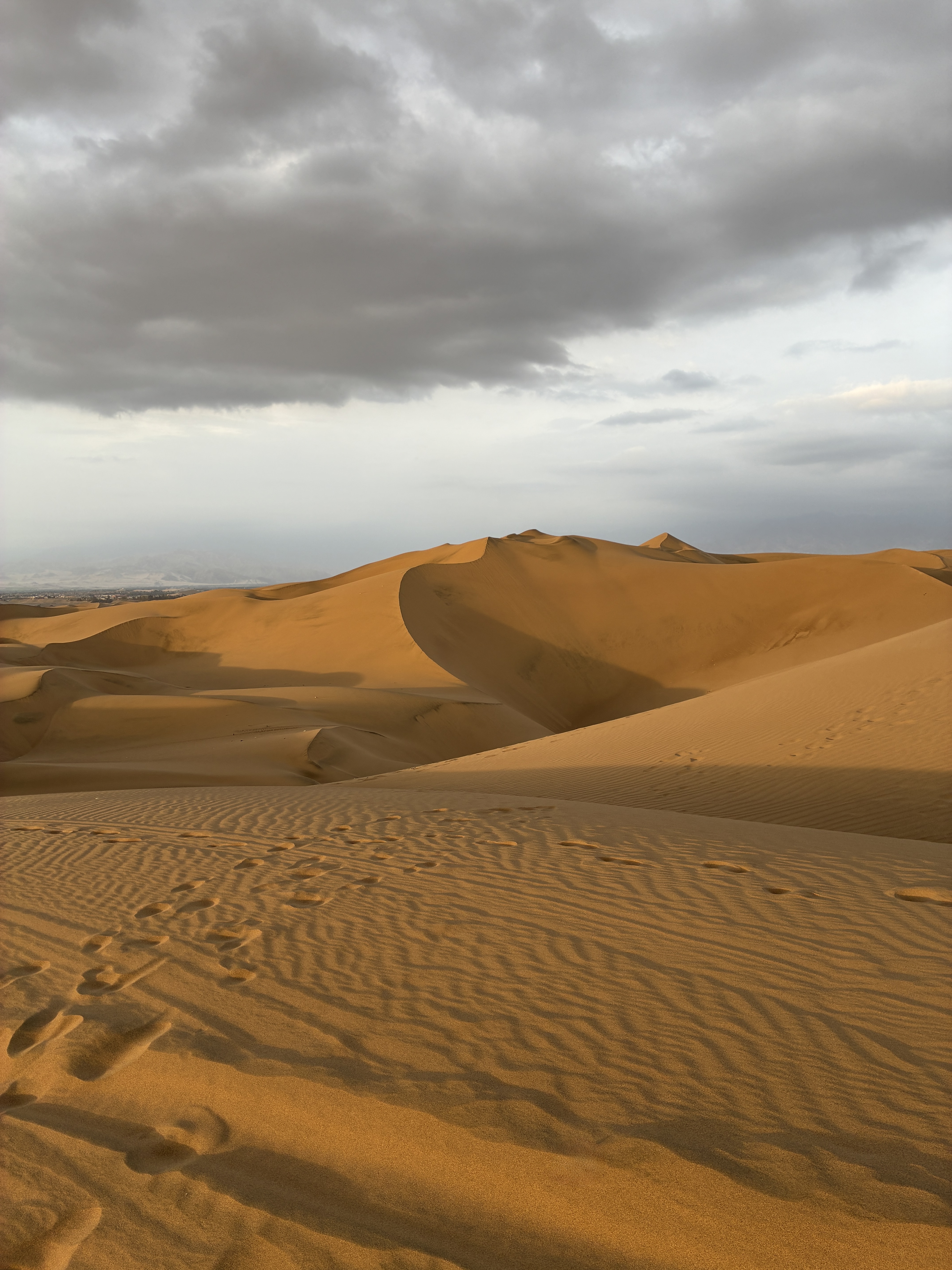
Bandanas are sold as protection against the blowing sand in both Paracas and Huacachina. We were advised to never pay more than 5 or 10 soles ($1.50-$3 USD), but I just wore a black face mask à la covid times. A neck gaiter will also suffice.
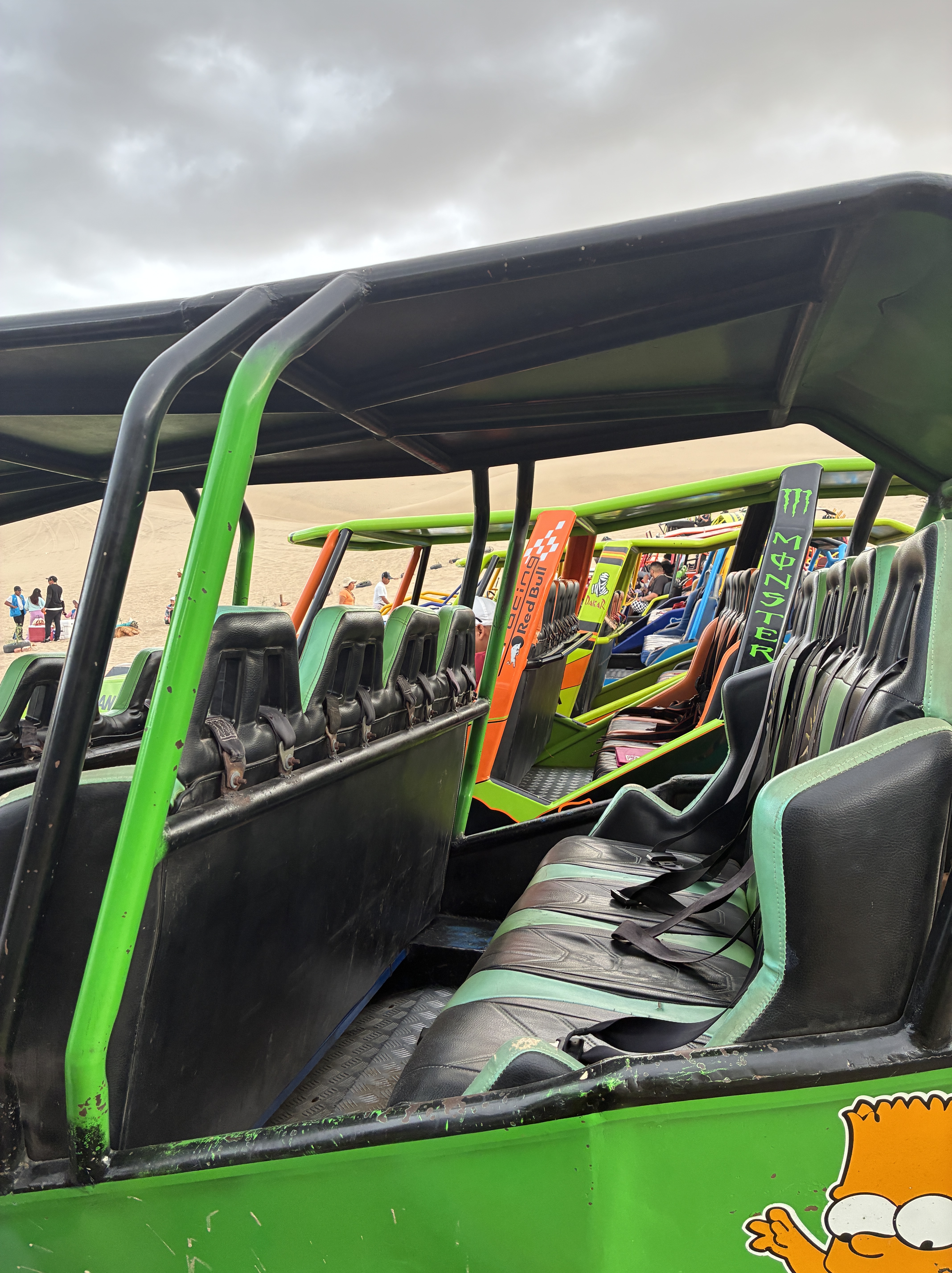
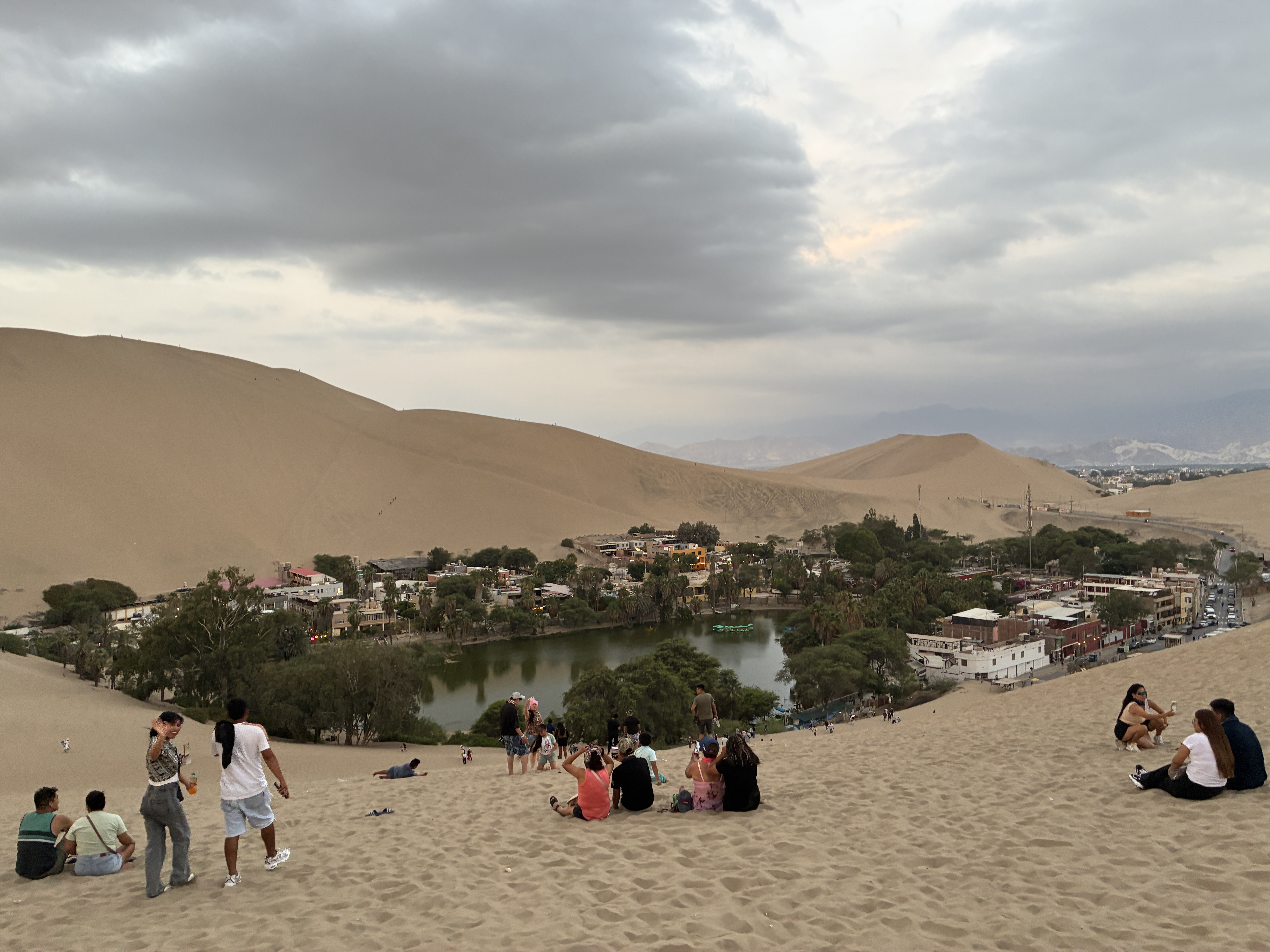
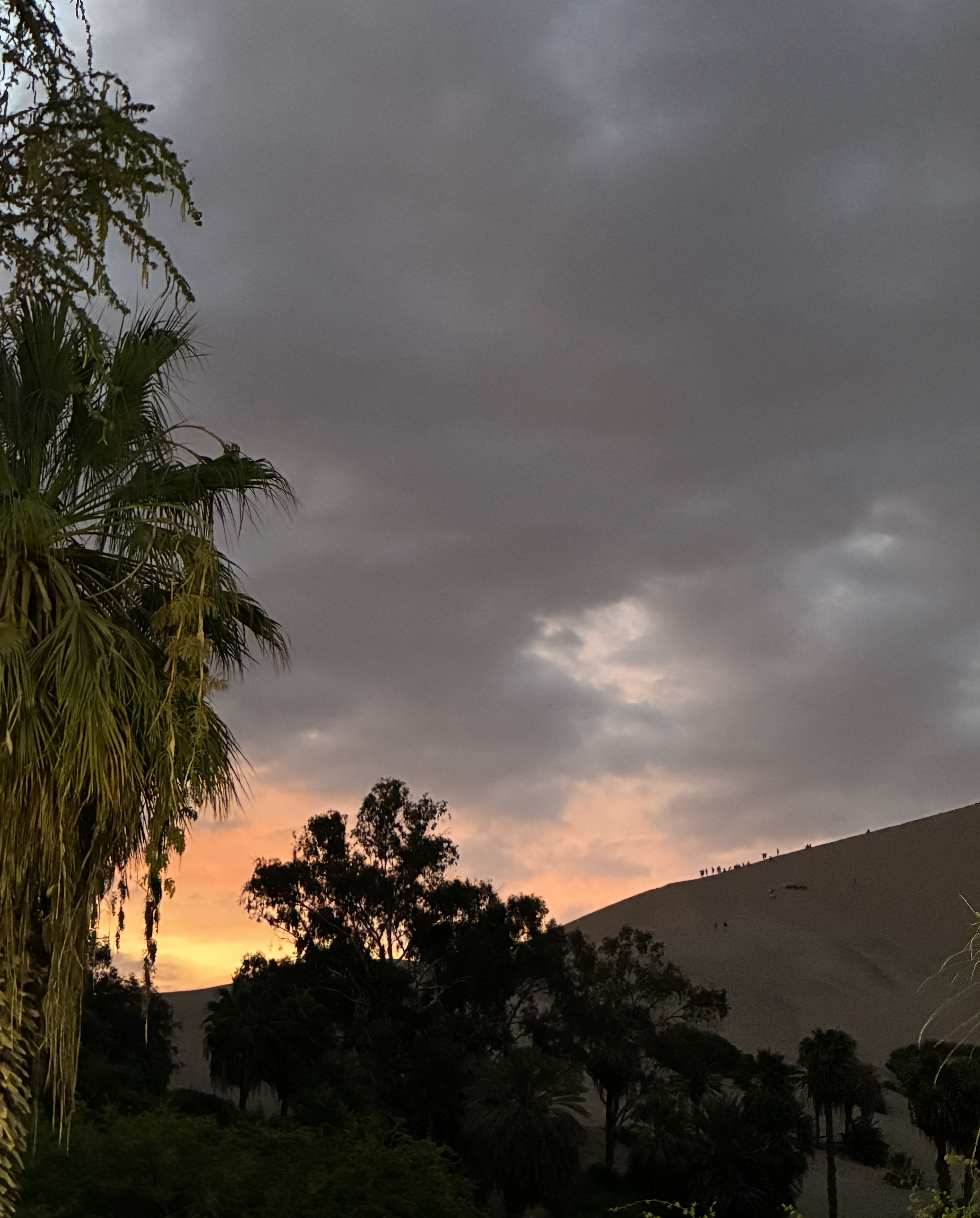
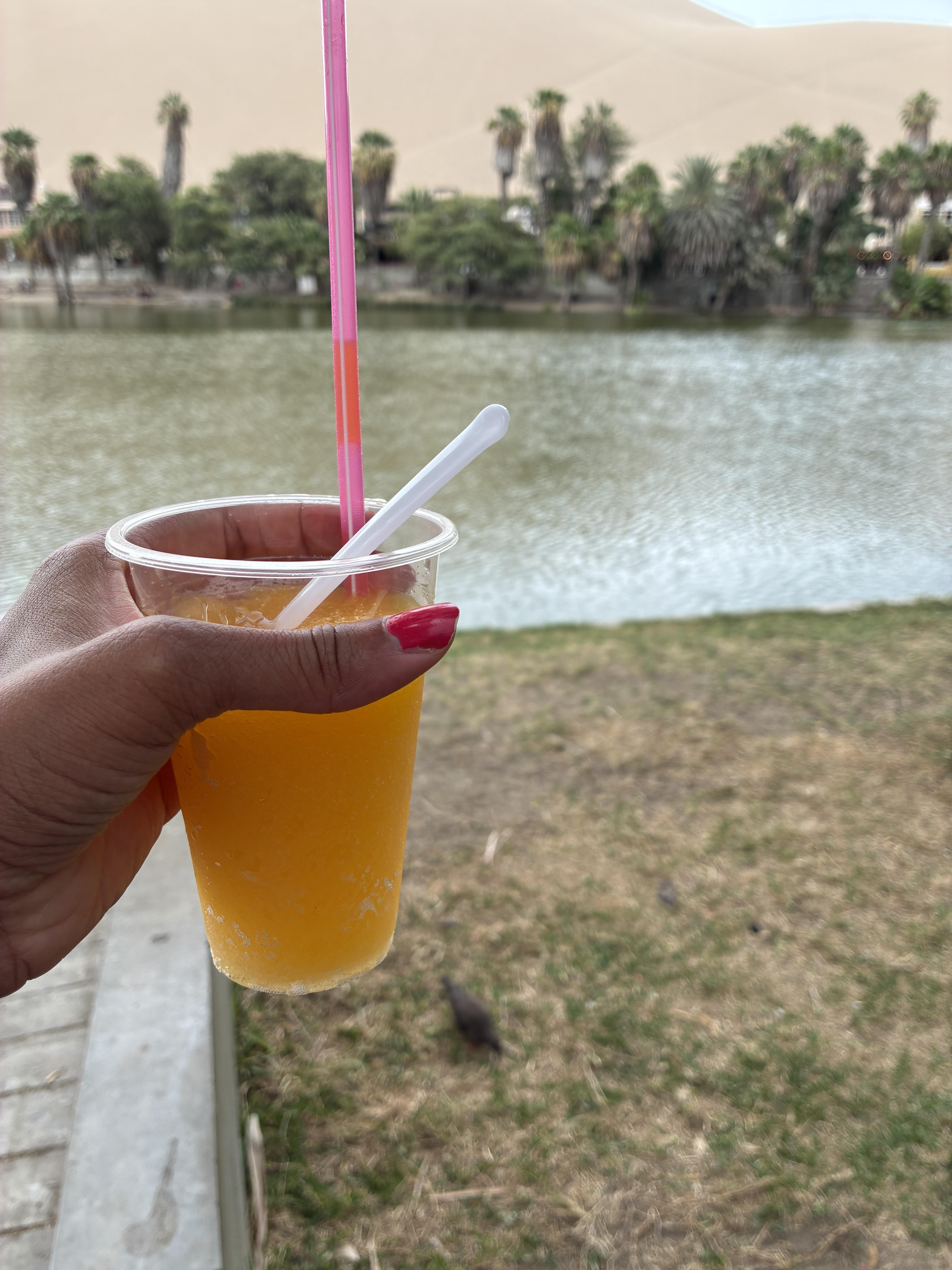
I should acknowledge that I’m a huge fan of sand dunes, but if you enjoy snowboarding or skiing, you might love it practicing those sports on the sand as well. Not all sand dunes offer that option!
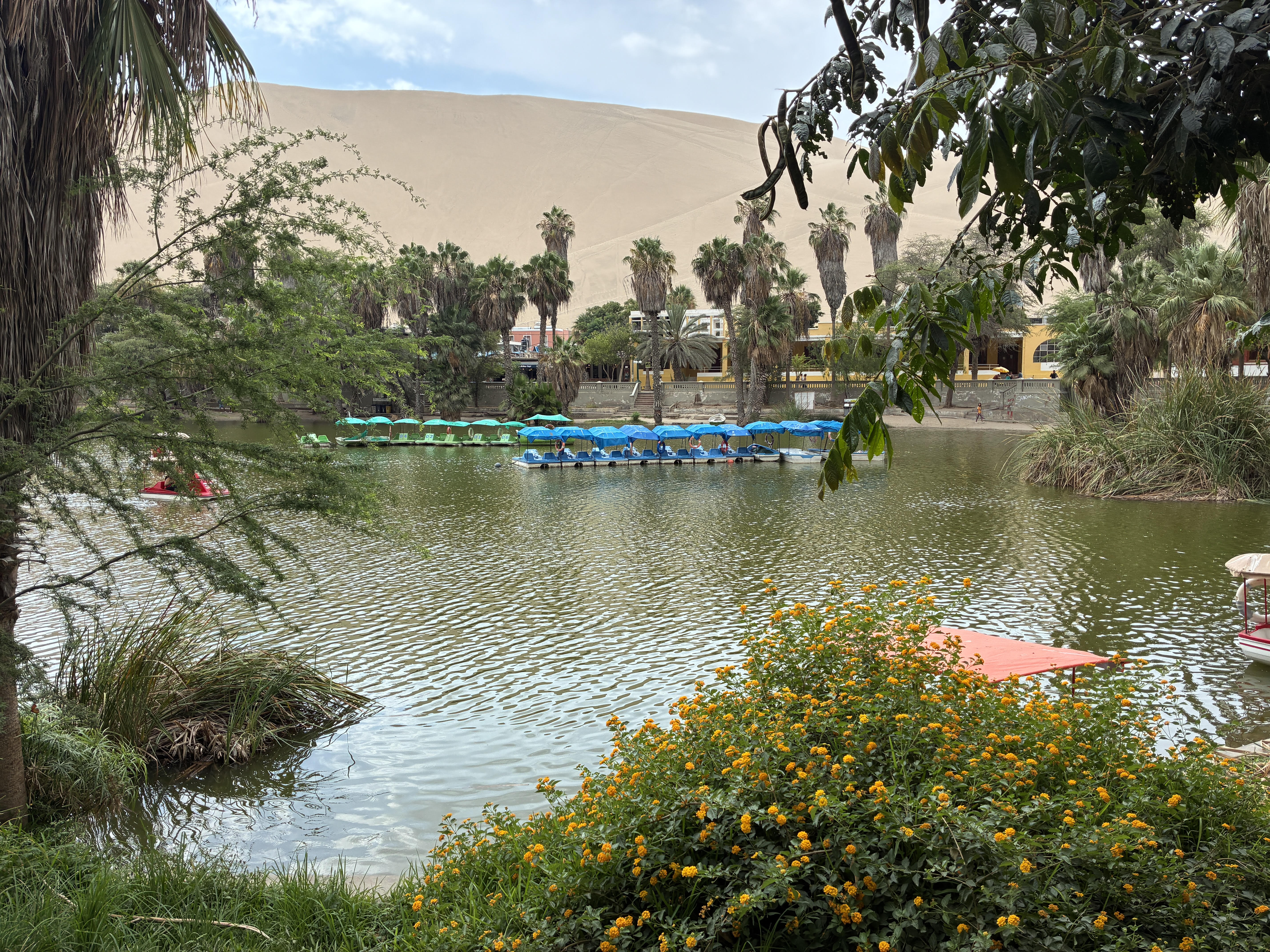
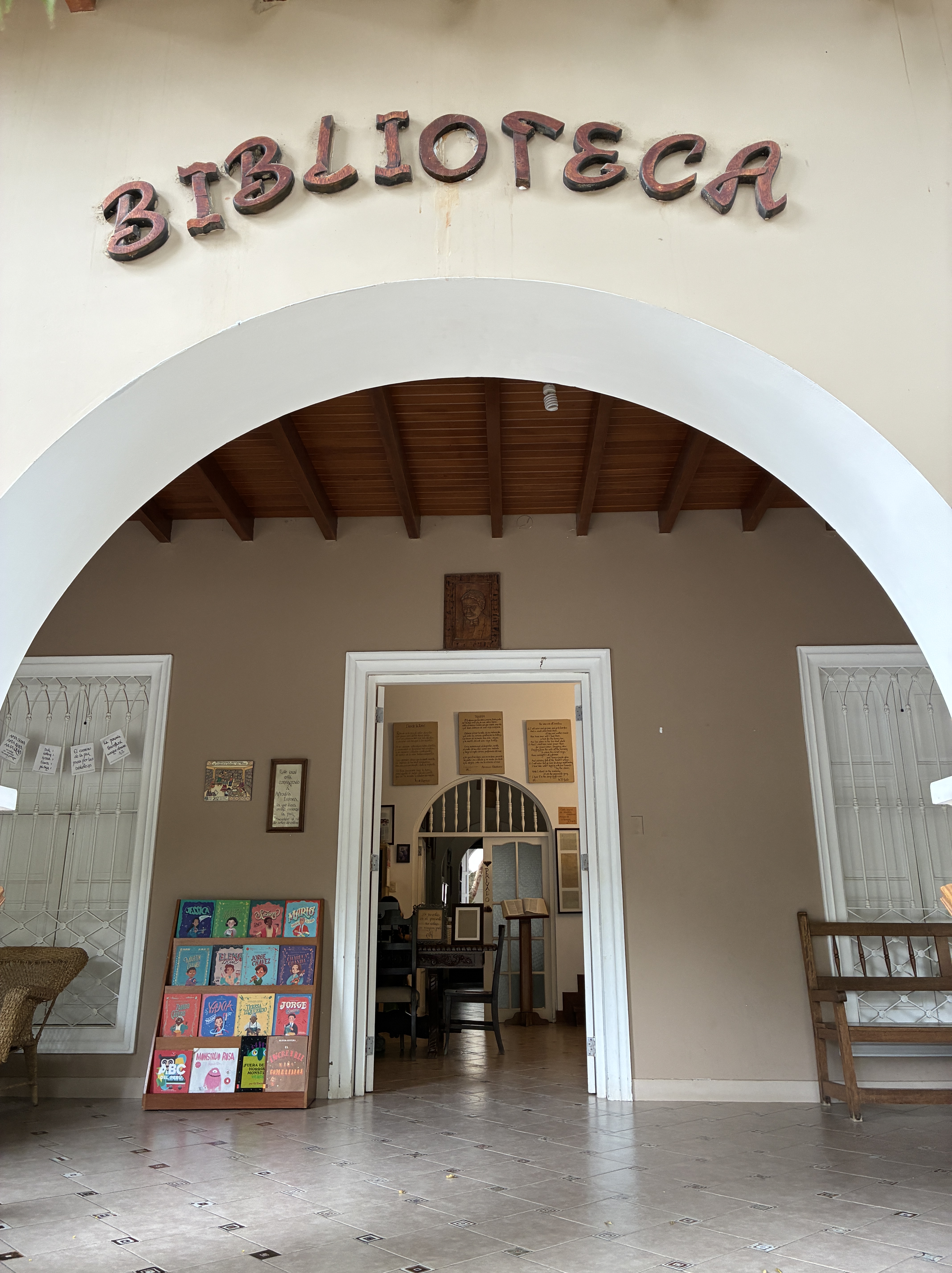

I was so thankful for the opportunity to take in some quiet time at the Huacachina library after so much noise all day.
Paracas
If you do an image search for Paracas, you may see photos of beautiful views over a cliff. Yeah…I never got to see that lol. There was a beach and numerous vendors, but the stop in Paracas was more about us getting on the boats that take you out to the islands full of wildlife.
Islas Ballestas
I didn’t feel super enthused about visiting Islas Ballestas, but I was thankfully mistaken about how fun it would be. I had a blast. We got to see seals, various birds, and the second-smallest penguins in the world! One bird unfortunately had an injured wing, rendering it unable to fly. The boat guide said he would report it to the rangers, but by the time we were heading back, a hungry seal was making it towards the bird. He mentioned that the inevitable would likely happen: the seal would eat the bird before anyone would be able to intervene. He reminded us that this was simply nature taking place.
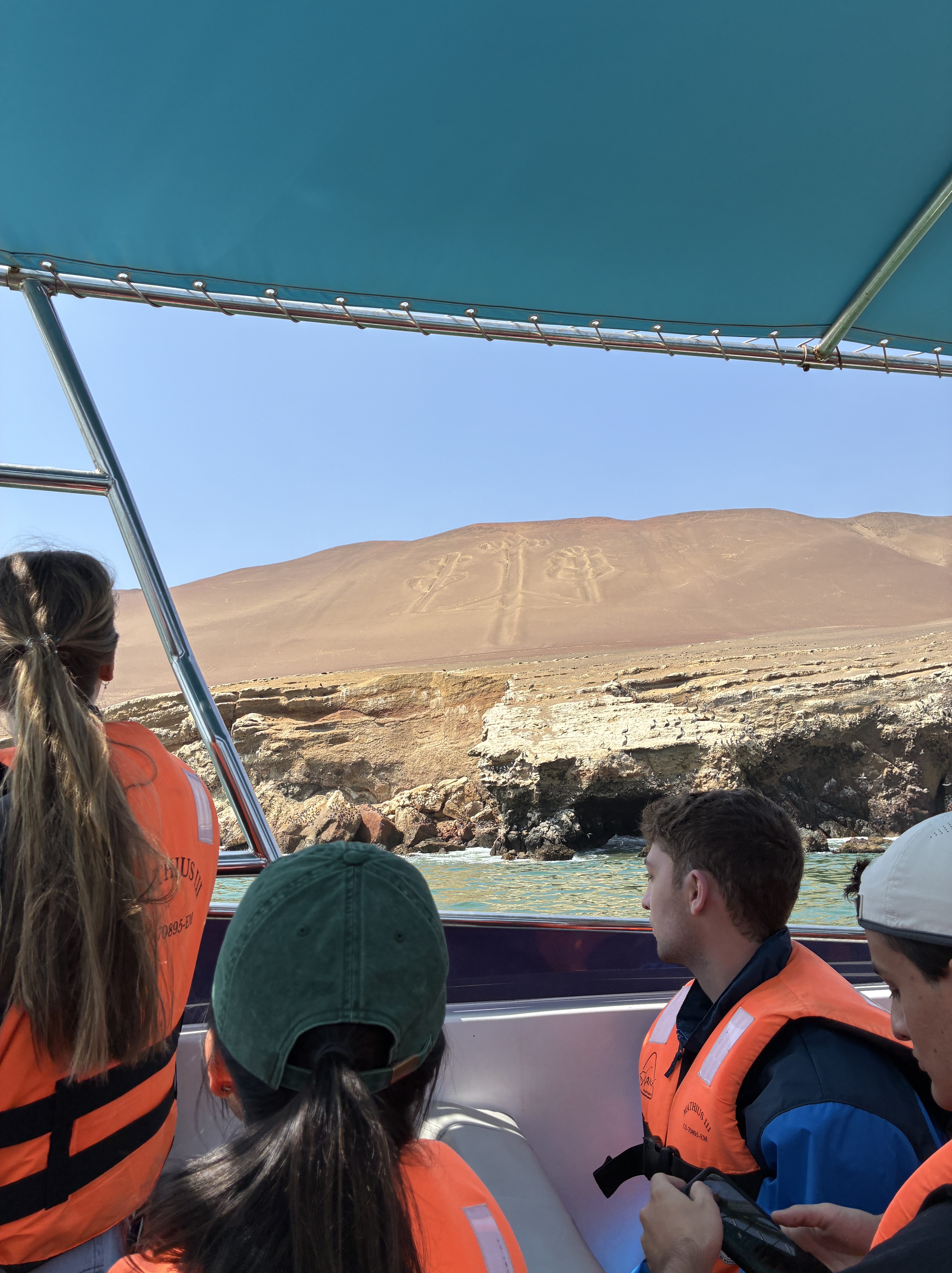
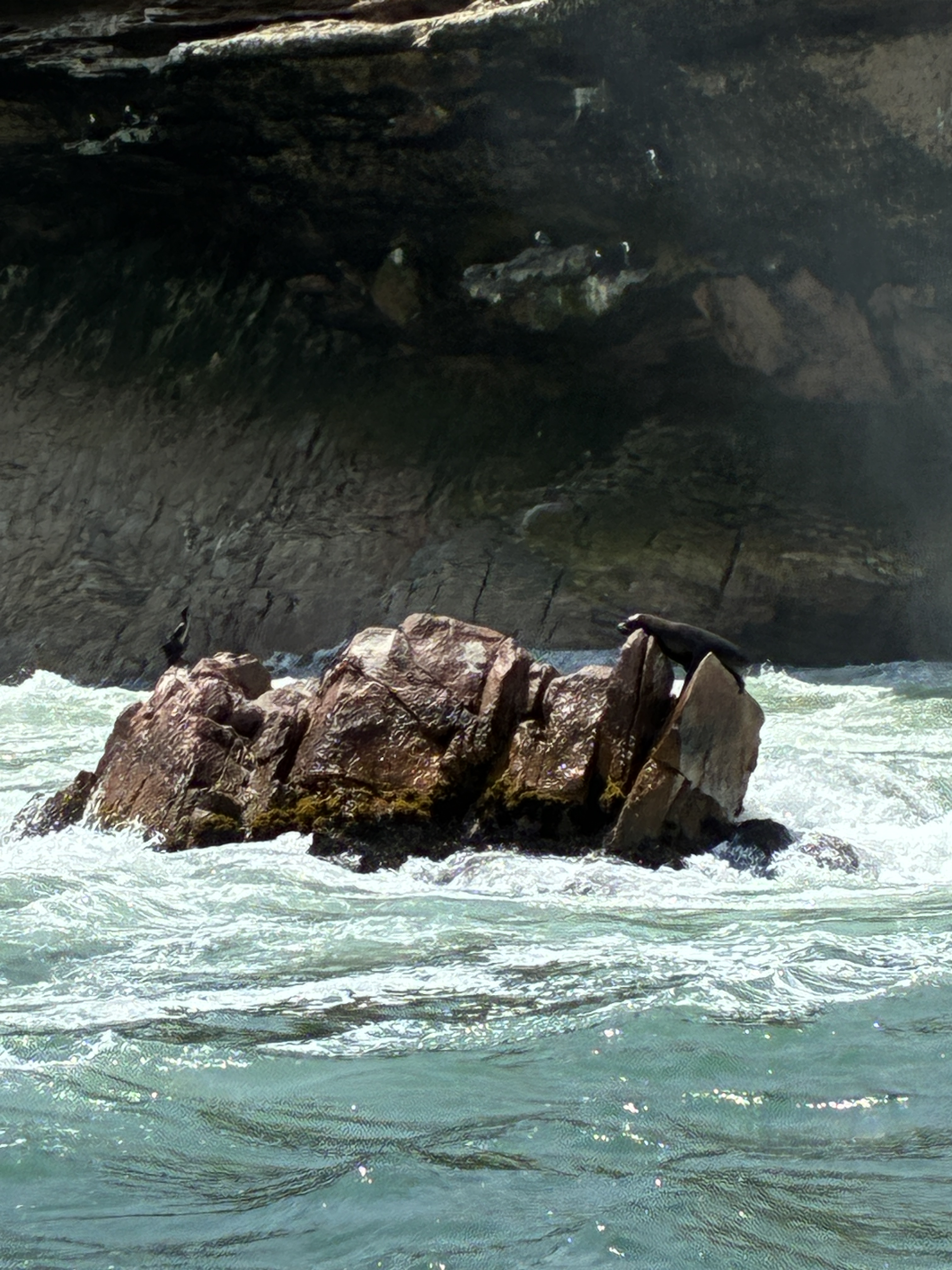
The boat tour guide said that Chinese people were brought to these islands for the sole purpose of collecting the excrement from the many birds in the island so that it could be used to fertilize soil. Upon reading more on my own, I learned that many Chinese people were brought in as laborers after slavery was abolished in Peru (more on that below). The conditions on the islands were so harsh that many lost or took their own lives. Those who survived eventually switched into different industries and many remained in Peru, with descendants still in living in the country to this day.
Hacienda San José and the “Slavery Tunnels”
If you’re driving yourself or book one of the day trip tours out of Lima that stop at Hacienda San José, you can walk through tunnels that were used to surreptitiously transport enslaved Africans. While these tunnels were in operation during a time when slavery was still legal in Peru, hacienda owners used them to dodge paying taxes on the enslaved people they were bringing into the country. It makes me think back to the dungeons at Elmina Castle when I visited Ghana. I find it disturbing that a lot of the photos that you’ll see of the slavery tunnels show tour groups smiling…it’s not exactly a joyous place. But I do appreciate that Peru hasn’t completely covered up this part of its history.
Beaches
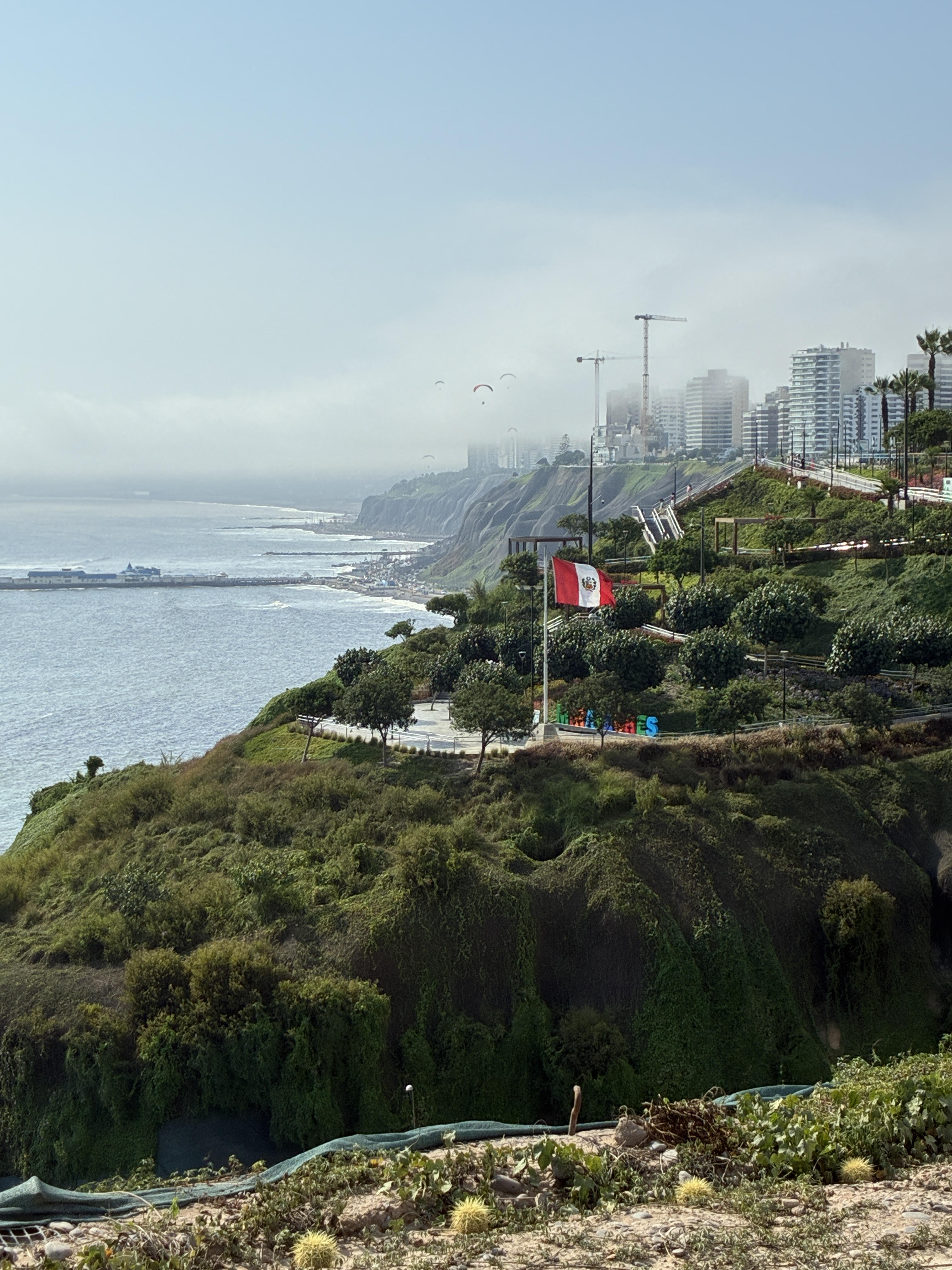
I didn’t hear many people mention Lima’s beaches before visiting. I’m sure it’s because they’re not exactly world-class, but it’s still really nice to have the option of chilling on some sand by the sea! There are over 20 beaches in Lima and one is even named Waikiki, which made me laugh thinking back to my trip to the actual Waikiki beach in Honolulu. Some paths down to the beach aren’t considered safe, but heading down via the Bridge of Sighs/El Puente de los Suspiros seemed secure; just be mindful that there are a lot of stairs. There are some glimpses of the beaches in my Lima video recap at the top of this post.
Where to Get Fee-Free Cash in Lima?
Look for any Banco de la Nación branch or ATM machine to retrieve cash without any additional fees. I’d recommend the one near El Centro Cultural Peruano Japonés (more on this below) because there’s a security guard on duty next to those ATMS.
Neighborhoods
There seem to be three main neighborhoods that travelers stick to when visiting Lima. Here are my quick descriptions of what each is like:
Barranco
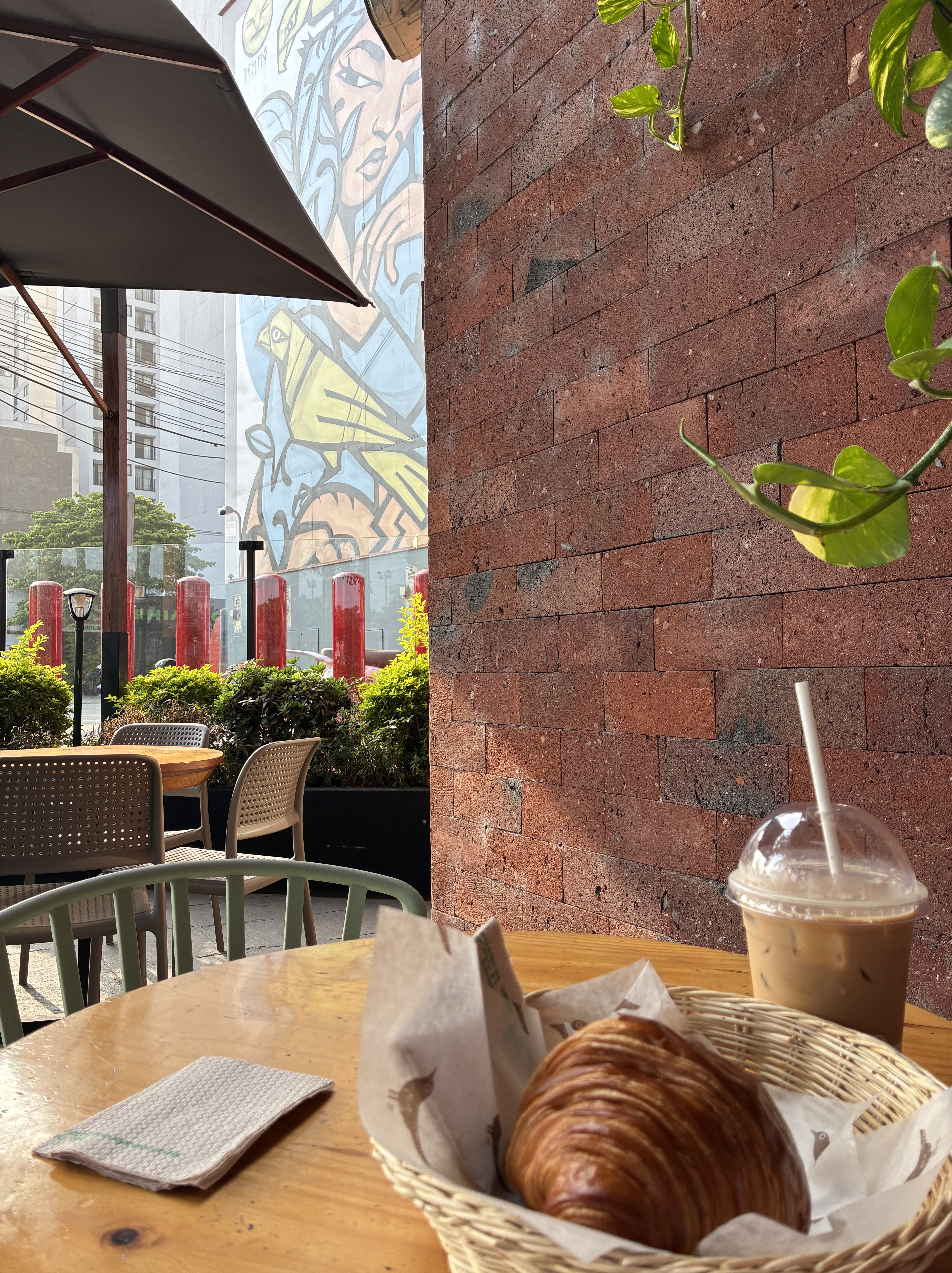
Barranco is where I stayed and it definitely felt safe, even walking solo at night. I found that its gym options were limited, but it offered tons of trendy cafes. I also loved the available markets for buying fruits, veggies, protein, and other food needs. There is also a Saturday craft market and a Sunday farmers market.
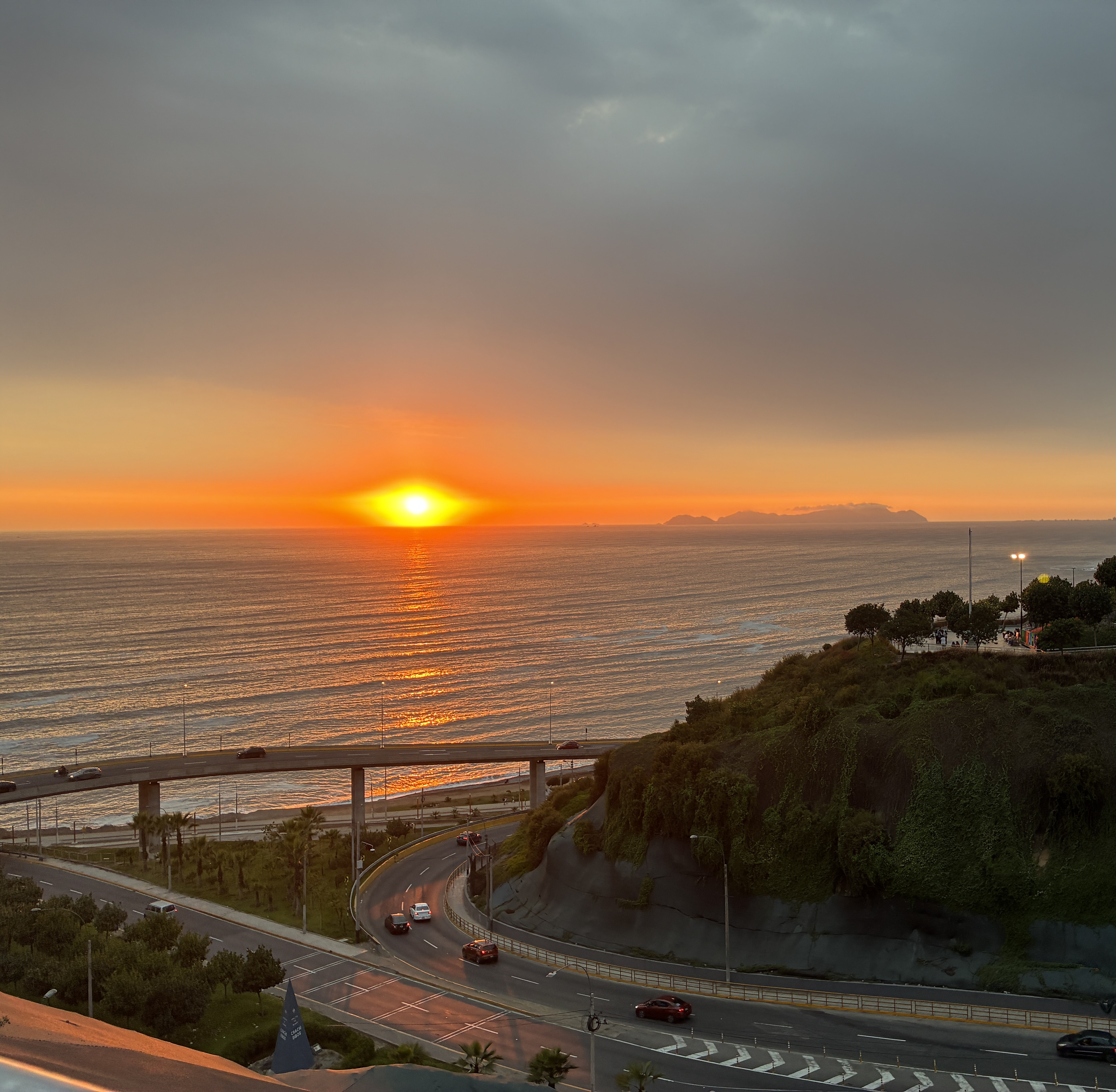
There’s a Thursday night language exchange at Viajero Hostel and they even host a free pisco sour making class during the event. I only went to the language exchange one time (and it was accidental lol), but it was definitely a good time and something I’d recommend for people looking to socialize. Barranco is also right along the sea and there’s a path that offers great walking, running, biking, and bird-watching opportunities with the ocean as a backdrop. I *highly* recommend crossing the newly constructed Puente de la Paz (Bridge of Peace). If you’re not afraid of heights, you can walk along the see-through portion of the bridge and watch traffic go by on the highway below. It’s also a stunning place to view sunset, which I did a number of times.
Miraflores
Miraflores is by far the biggest hub for nomads and expats living in Lima, Peru. I felt it offered a greater variety of fitness gyms in comparison to Barranco. I took barre classes in Miraflores and there were also plenty of dance studios. There was even an aerial arts studio! But unfortunately their schedule was limited despite higher prices, so I couldn’t continue the lessons I took in Santiago. You’ll also have plenty of cafe options here and can dine at a number of popular restaurants. I actually met up with Nomad Brunch Club at a gathering in Miraflores. The neighborhood feels more like a downtown area to me, but hanging out at the Larcomar mall along the sea offers a more peaceful experience.

San Isidro
San Isidro is bit more of a luxe neighborhood. I’d been informed of this by TimeLeft folks, and I got to see it for myself when one dinner’s Last Drink event was held at a swanky San Isidro bar. This is also where Huaca Huallamarca, an archaeological site and museum, is located. I was considering a nighttime tour of the site but decided not to go based on reviews. There’s a large outdoor golf course located in the center of San Isidro in case you’d like the sport to play a part of your vacation.
Off the Beaten Path
I’d heard that the above neighborhoods were considered the safest ones in Lima, but I strolled through a few other neighborhoods that seemed nice as well:
Surco
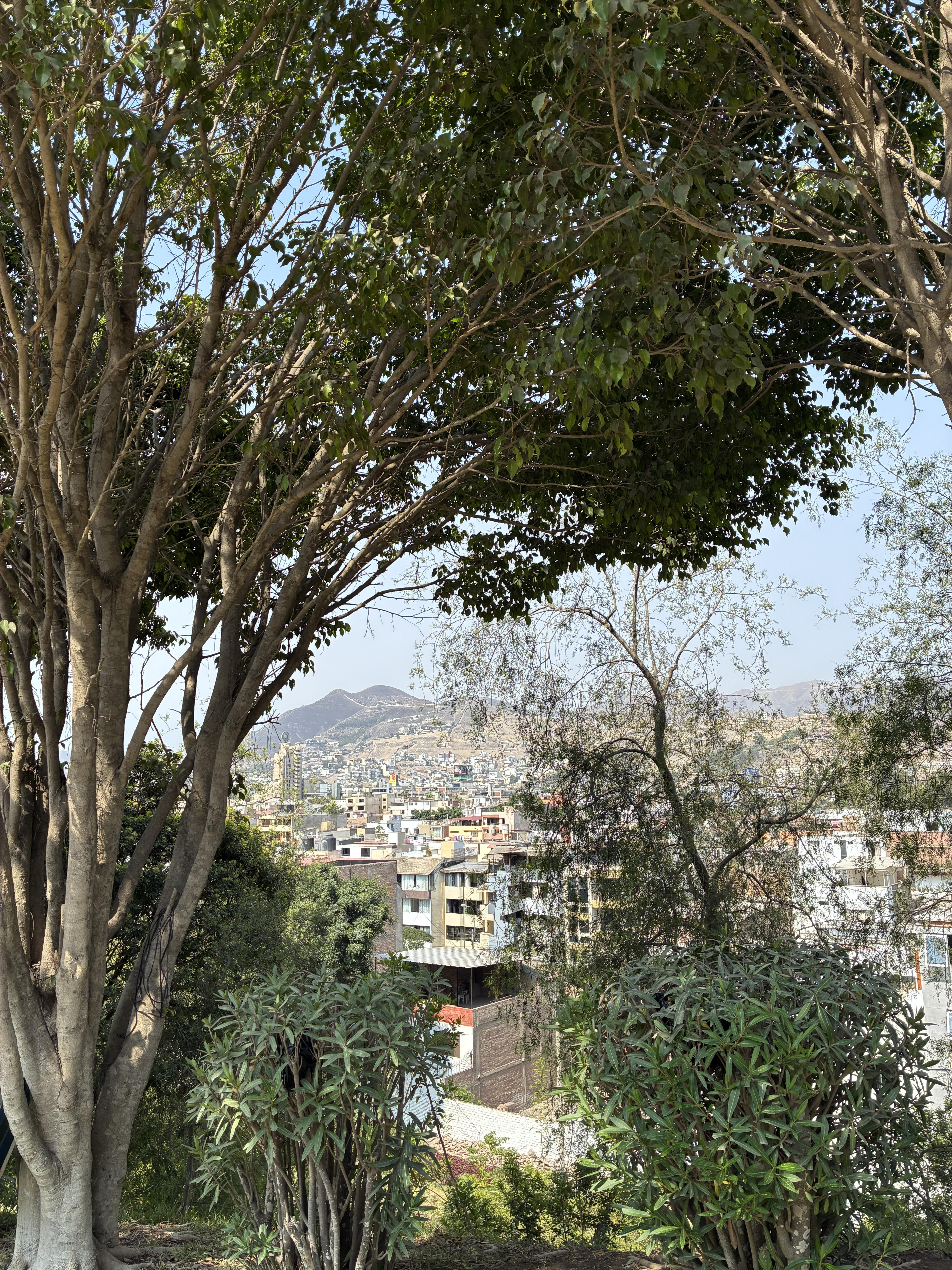
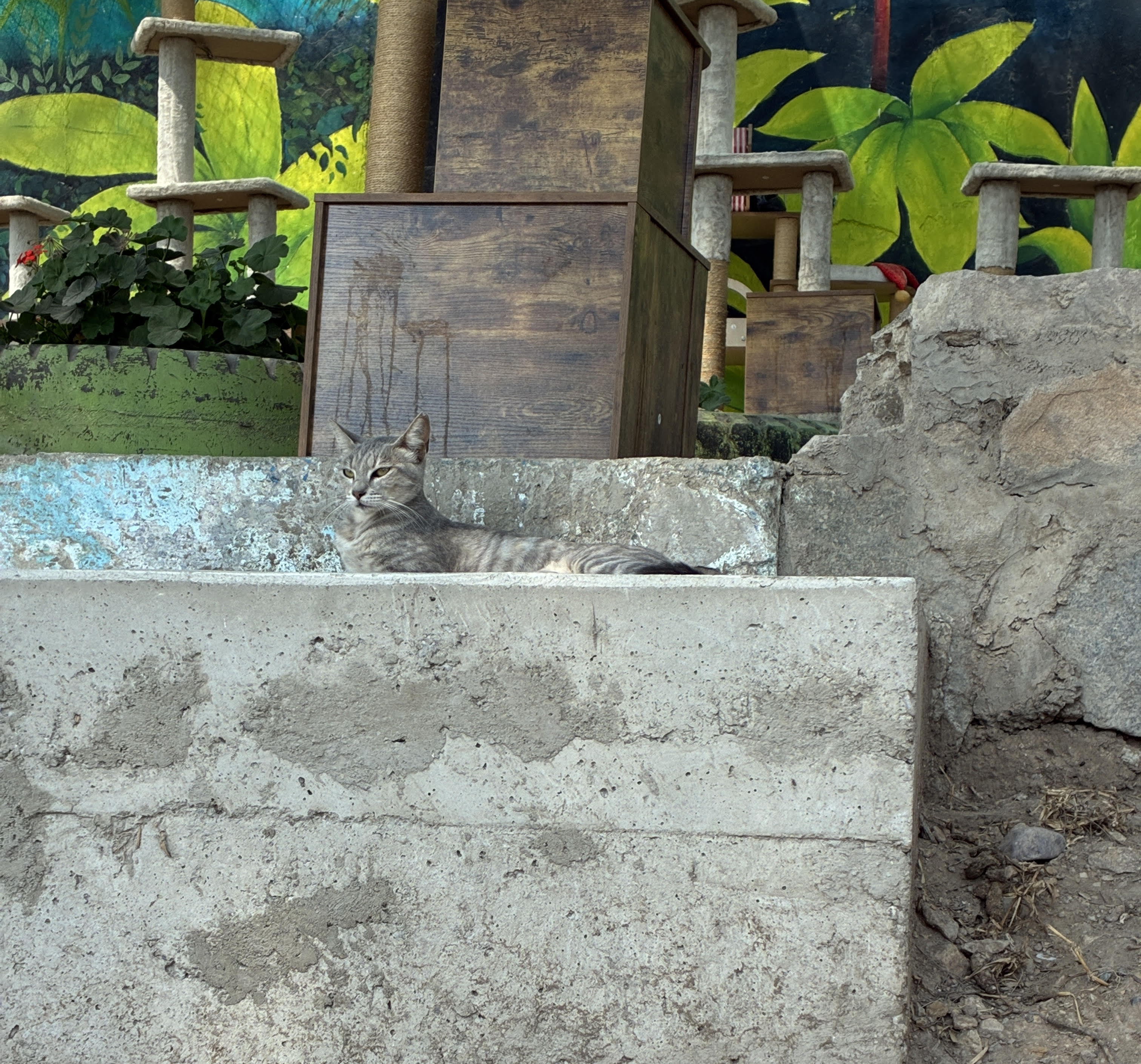
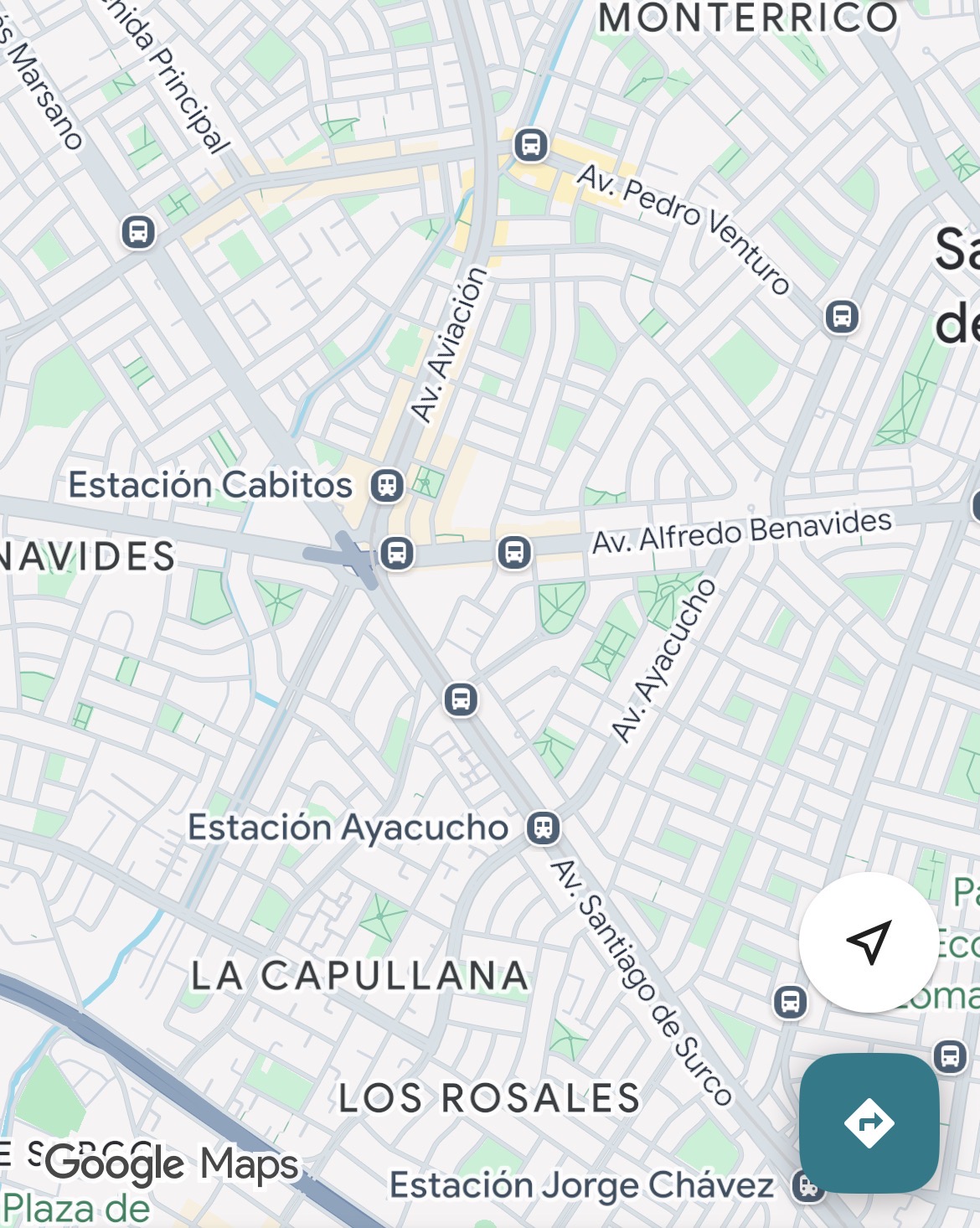
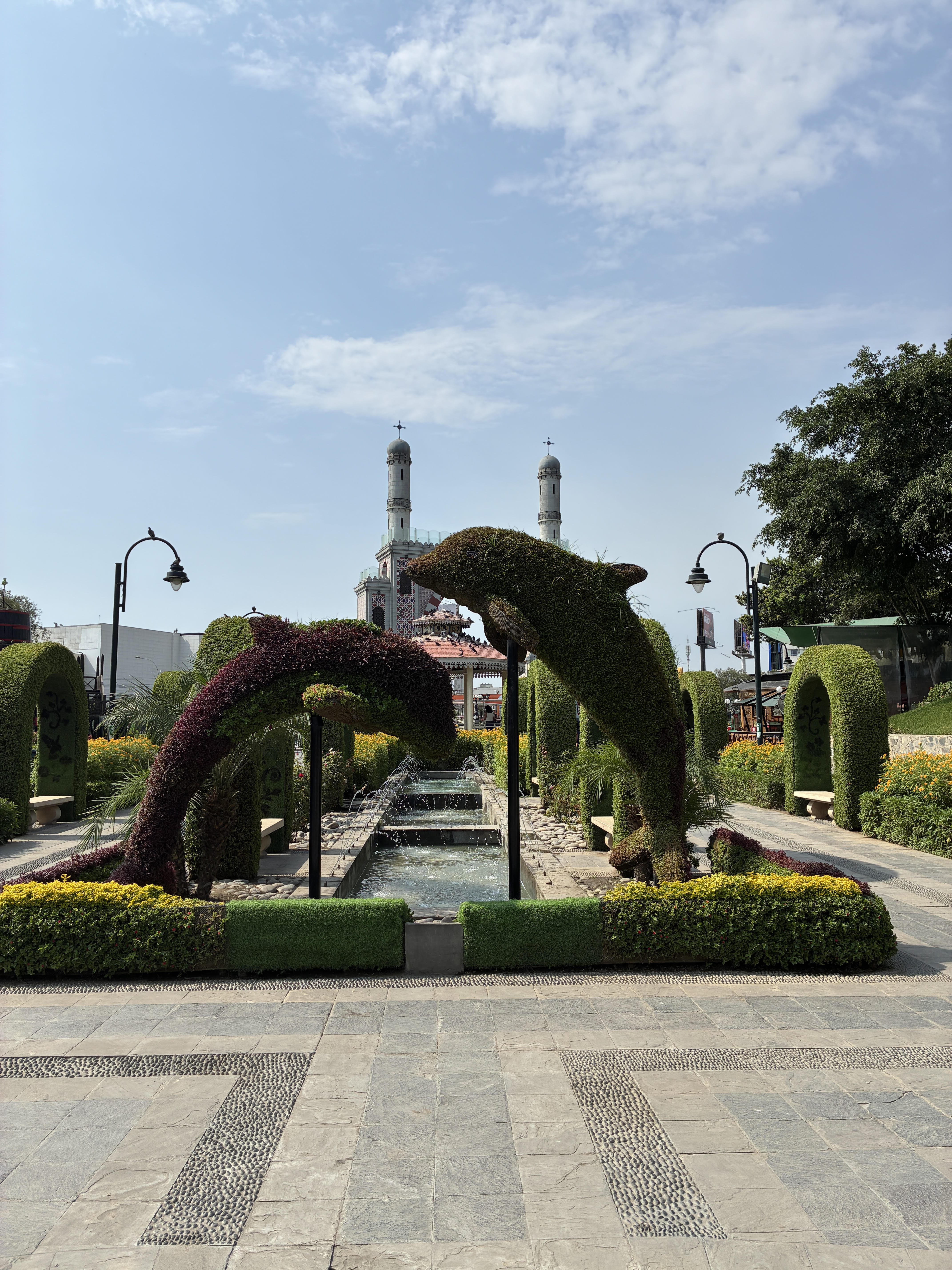
Surco is an example of a dream city layout. I appreciate that there are buses to get you around, but there are also small parks everywhere (shown in one of the photos below). In fact, that was why I visited the neighborhood in the first place. I’d recommend walking through Parque Ecológico Loma Amarilla and then walking a few blocks north and spending time in Parque de la Amistad. These are the larger parks in the neighborhood and the latter is especially great if you’re traveling with kids. There’s a train that goes around the entire park, epic play centers, an outdoor food court, and then a section off of that court with dessert options. I enjoyed myself, so I can only imagine how fun it could be for a kid. While Surco isn’t next to the main action, it was also incredibly peaceful compared to the nonstop traffic noises of more central neighborhoods in Lima.
Jesús María
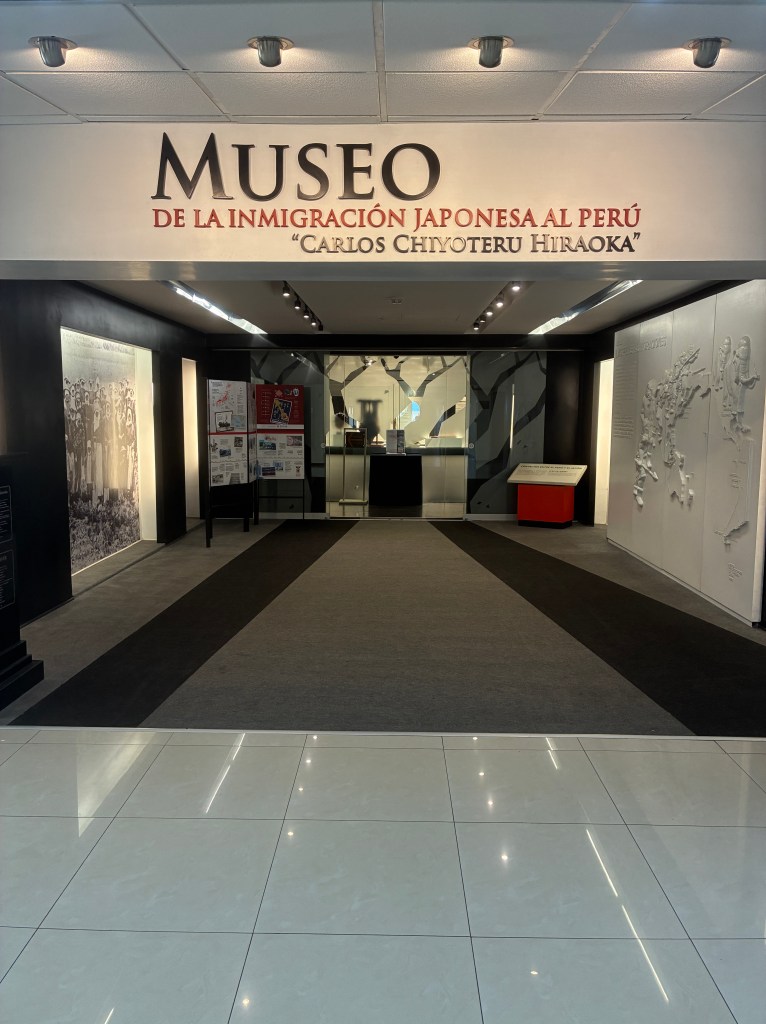
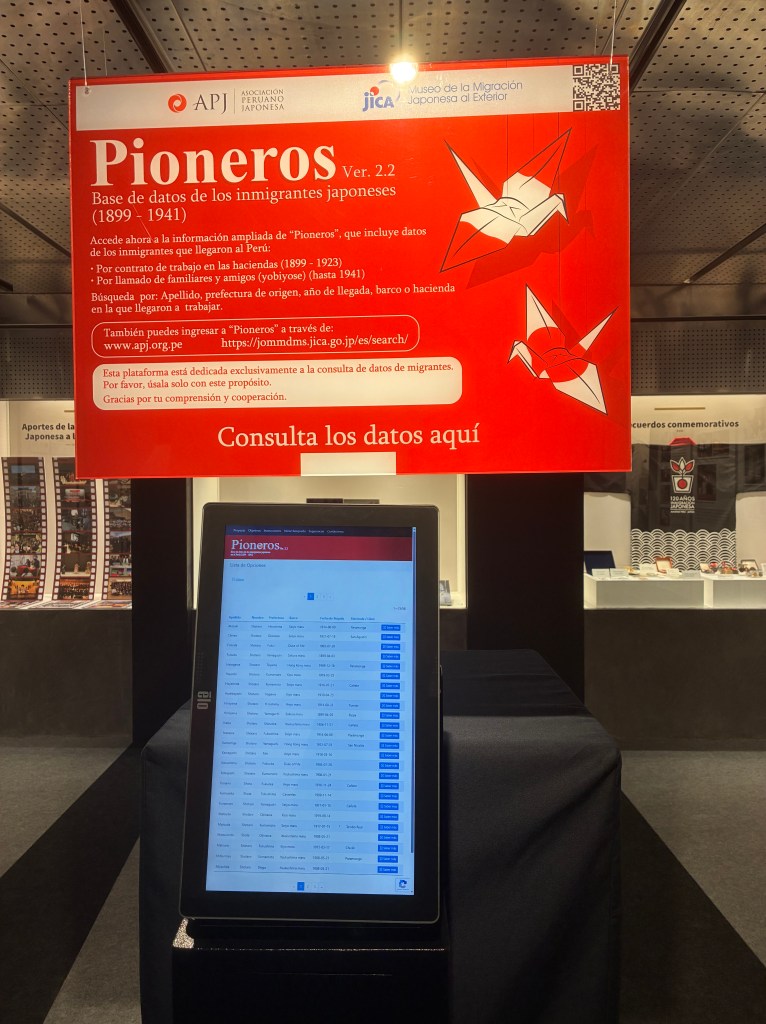
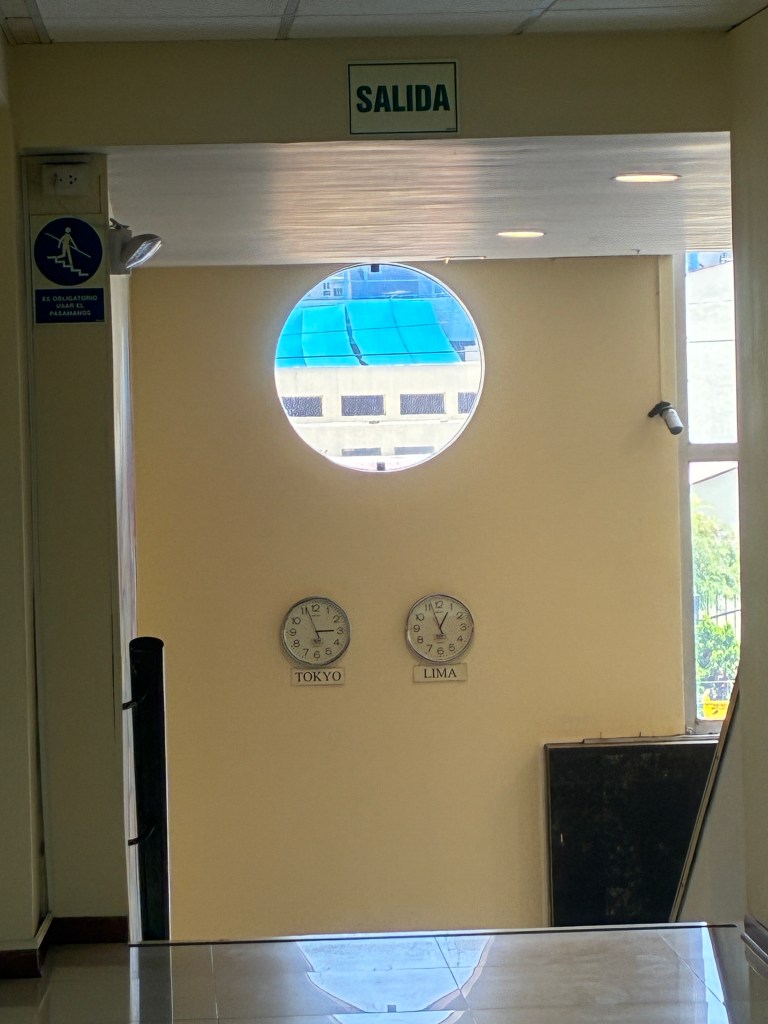
This neighborhood is just north of San Isidro. I took the bus over there to visit El Centro Cultural Peruano Japonés / the Peruvian-Japanese Cultural Center and learn about the history of Japanese migration to Peru. I had to walk 10+ minutes from the bus stop and found the surrounding areas to be active and seemingly safe. I also enjoyed learning about how the Japanese community formed in Peru. Lima offers lots of nikkei, a mixture of Japanese and Peruvian cuisine, and there are even stores where you can buy Japanese treats like onigiri and gummy candies that reminded me of my time backpacking through Japan.
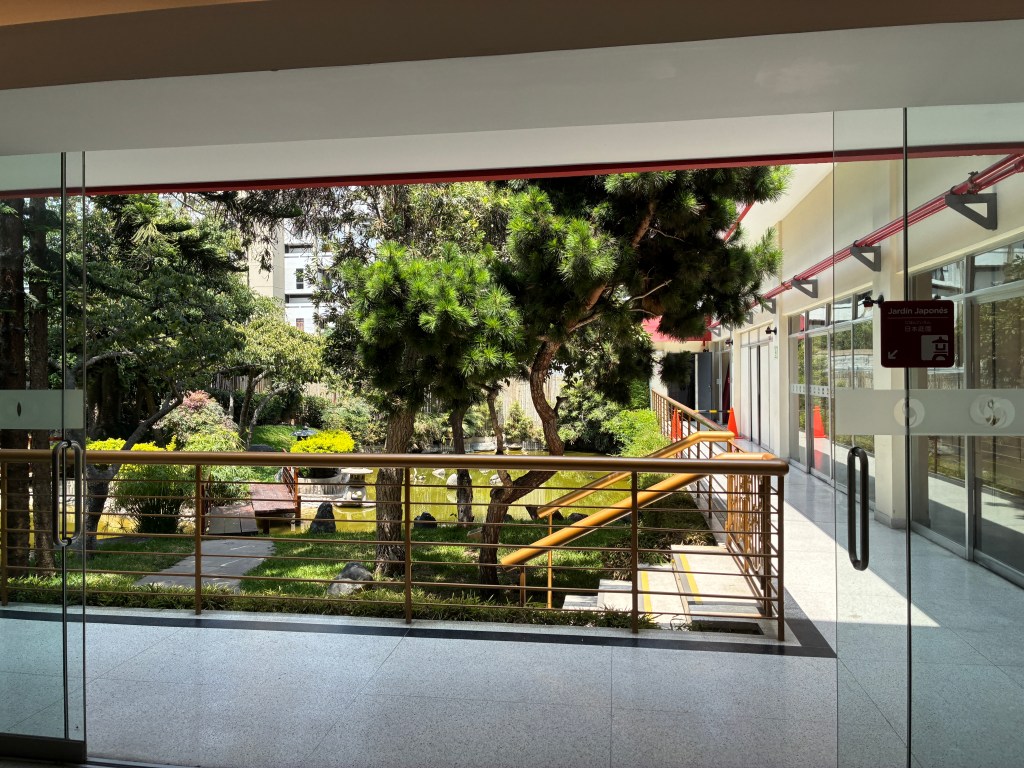
All this to say that there are more pleasant options for visitors spending time in Lima beyond the go-to neighborhoods of Miraflores and Barranco.
Public Transportation
Buses
If you’ve followed my blog for a while, you know I’m a huge proponent of public transportation. I’m not saying it’s always pleasant, including in Lima. But I do believe that the more we invest in public transportation and its benefits, the better our world will be and the better the actual experience of using public transportation will be for riders.
If you’re not as into the idea of taking public buses, cab applications like Cabify offer affordable prices in Lima (roughly $5 for 4 miles). While it seems there are local trains throughout Lima, I never needed to take any and can’t provide much information besides to say that the bus system is far more extensive. If you plan on using the local buses in Peru as much as I did, here are some fast facts:
- There are some limited buses that have dedicated lanes and drive on highways. Though I never used one, these have a system where you can purchase a bus card.
- All other local buses in Lima (the only ones I took) require cash only but are cheap (generally 30 cents to just over 1 USD) and the fare depends on the distance you travel.
- Some buses allow you to pay the driver directly, which means they are often taking cash, giving change, and driving all at the same time. Other times, the conductor will wave you on the bus to focus on driving and a worker will walk along the aisle collecting fares.
- Bus drivers do not always stop for passengers…even if they’re waiting at the designated stop…even if there are only a few passengers on the bus itself…even when drivers see an elderly person needing to board…
- Most buses drive around with the front doors open, so I would hop on anywhere along the bus path since it wasn’t guaranteed they’d actually stop at the darn bus stop.
- Sometimes bus drivers refuse to use the right-hand side of the road, requiring passengers to walk through a few lanes of traffic to board.
- Like many cities, a bus ride in Lima can be quite eventful, ranging from people hawking ice cream to selling “miracle weight loss spray” (true story) to freestyle rapping for donations.
- I’ve seen more than one bus driver using their phone while working…which only adds to Lima’s ill-famed traffic woes.
Historic Center
I’m separating this neighborhood out because I don’t anticipate many wanting to stay there. In fact, I wouldn’t recommend staying in Lima’s historic center unless: 1) Your job has put you up in lodging there 2) You’re a fanatic of historic centers. It was packed when I visited and you, of course, have to be mindful of your belongings. You’ll also see people panhandling. I saw two different men holding different children with a visible and severe disability seeking donations. Only minutes later you might see someone skillfully playing a classical instrument, or my favorite, an elderly man holding one crutch and shimmying to salsa music, open to dancing with any passerby and receiving any funds they might like to share.
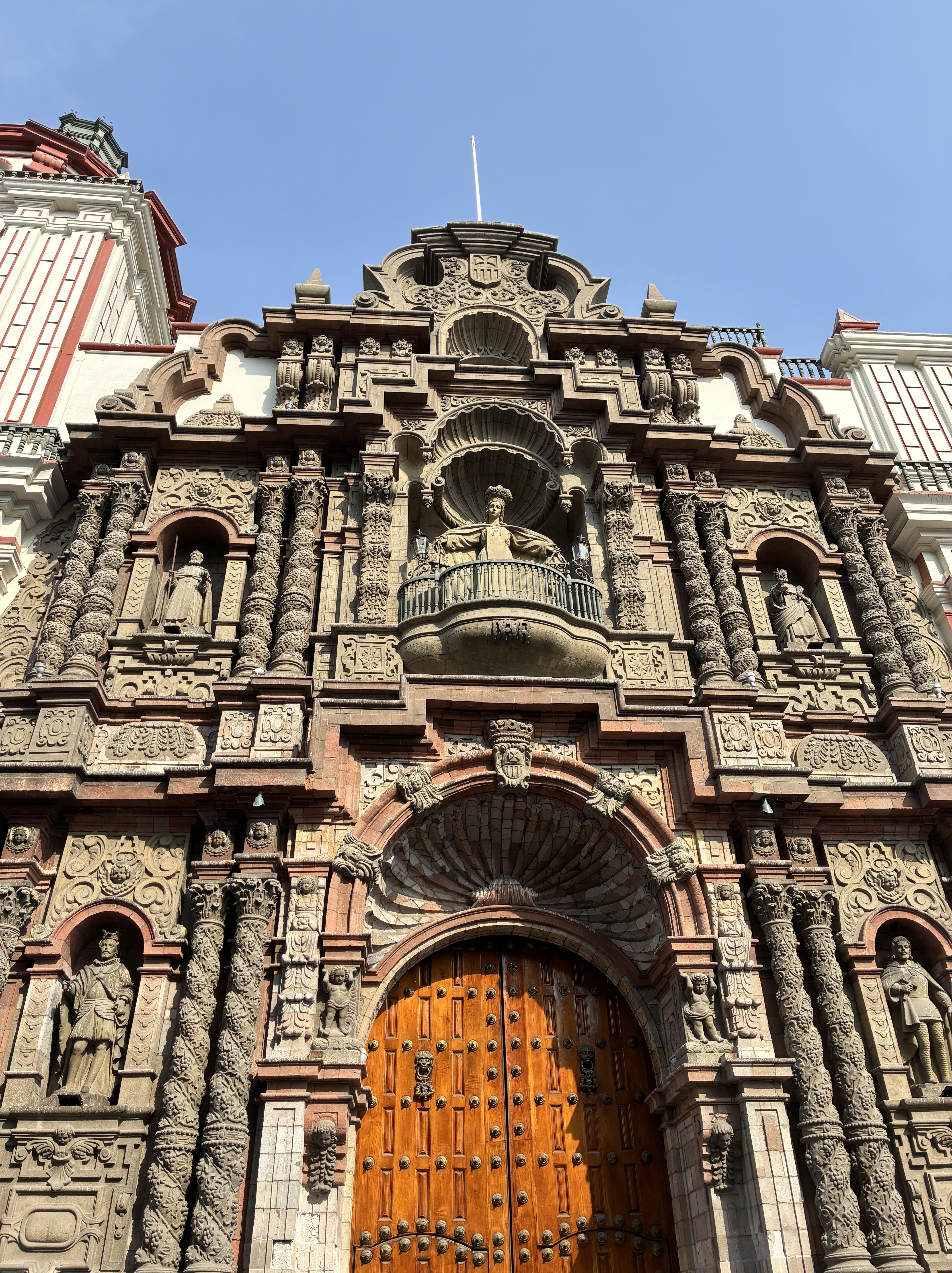
Besides the chaotic energy in this area, you can visit churches, catacombs, Plaza Mayor, and buy souvenirs.
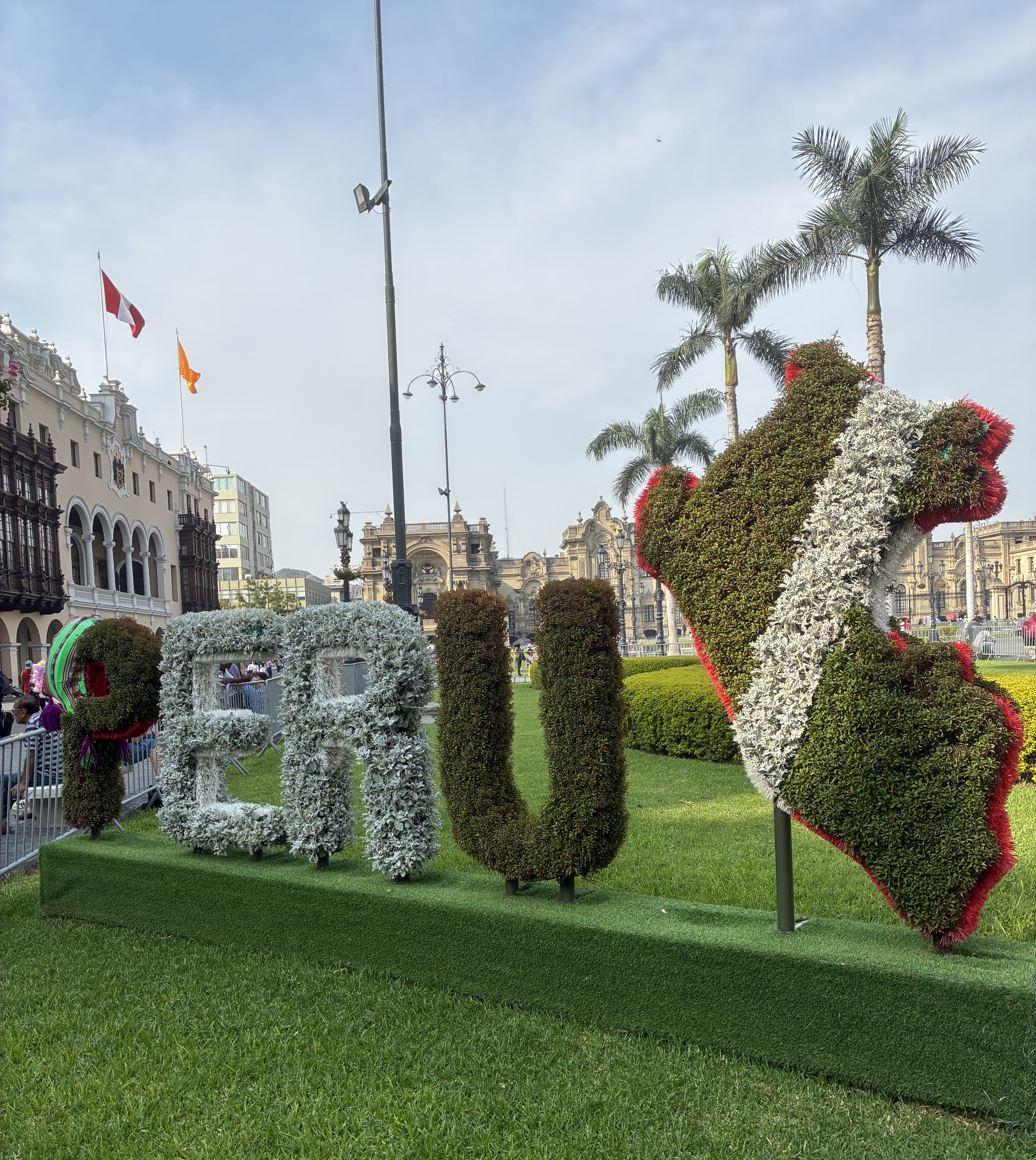
The Notorious Lima Traffic
What people say about Lima is absolutely true; I’ve not experienced such loud traffic, constant honking, and puzzling drivers. I saw multiple cars use A PEDESTRIAN CROSSWALK to make a U-turn. I also witnessed a shirtless man exit his vehicle and move barricades so he could make a U-turn where he desired. Drivers simply do whatever they can get away with. I even saw people continue to drive or not move out of the way as an ambulance attempted to rush by. What’s more baffling is that an abundance of speed bumps ensure that no one speeds…so you just watch people make outrageous driving decisions in slow motion >.<
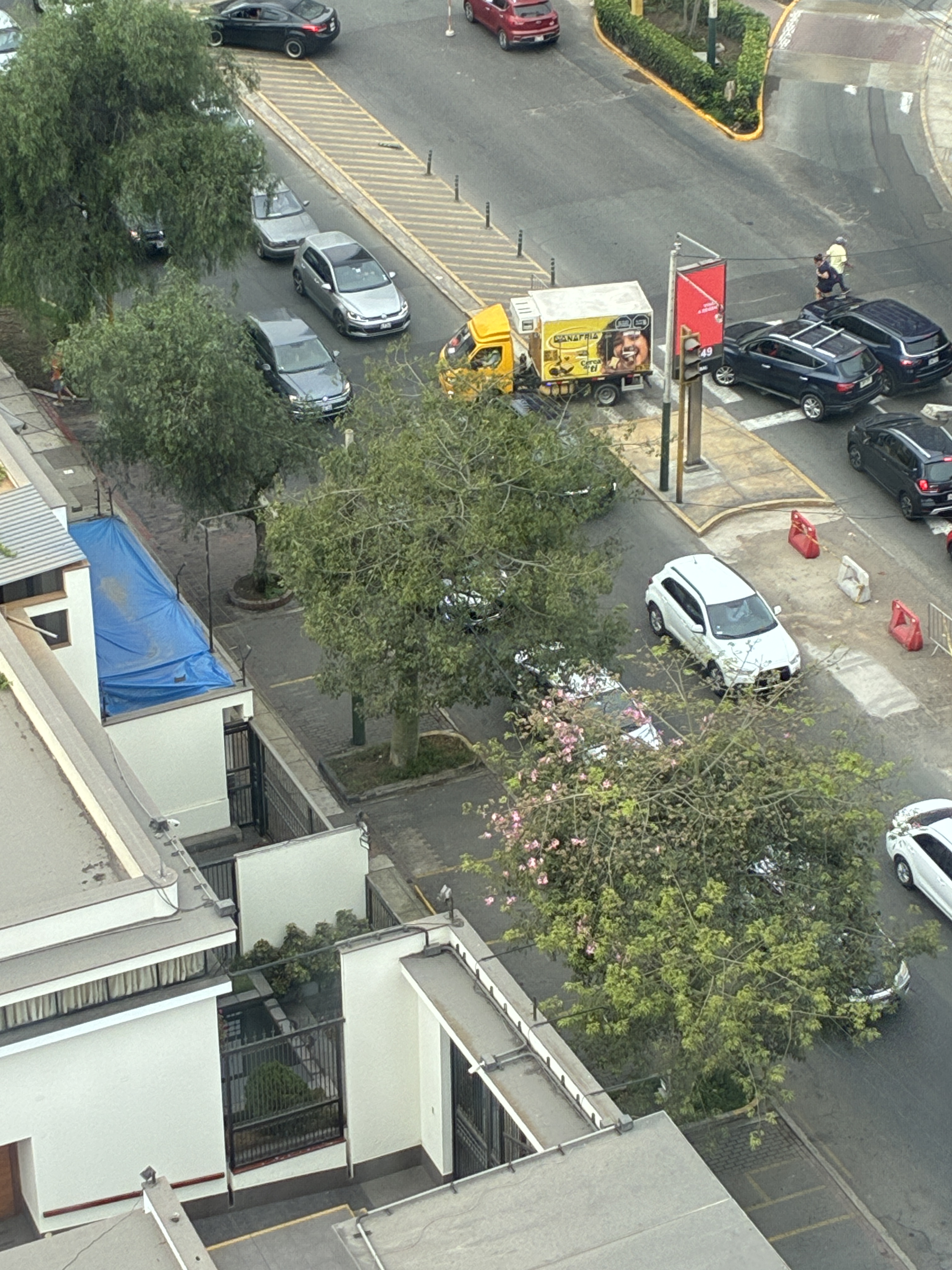
If you are coming to Lima and want some peace, I recommend finding lodging near the sea or combing for a place away from traffic noises. I was certainly happy to head off to quieter settings after Lima; I’d had more than my fill of traffic chaos.
Lima’s Fog
My time in Lima started off so-so. I had some issues with my Airbnb that I had to go back and forth on with the host and Lima’s infamously foggy weather was out in its full glory. (I am always greatly impacted by weather. It’s the reason I’d moved to Phoenix, Arizona in the first place.) The good news was that the foggy weather often made me want to stay inside and be productive, so things could have been worse. As the summer season began to set in, I had plenty more hours of sunshine to enjoy and learned to go with the flow of the weather, finding solace in the fog from time to time.
In Summary
If I come back to Peru, it will likely be to visit those “must-see” destinations that I decided to skip for this trip. In all, I was grateful to get to experience Lima first hand, but also happy to escape the traffic. Things may have been different if I’d booked a place closer to the sea, but I enjoyed taking a short walk there for sunsets and runs. If you’re visiting Lima, I hope this post can be helpful to you!







 A home for my words.
Share your thoughts and/or questions.