Let me start right out of the gate by saying this: my time in Santiago was spectacular. While I tend to opt for more tranquil, nature-based places, the social scene in Santiago brought me so much joy. I remain stunned by the beauty of my first trip to Chile in Torres del Paine, but it was only right that I sampled what the city life in Chile offers.
Community-Building in Santiago, Chile
Santiago Speaks
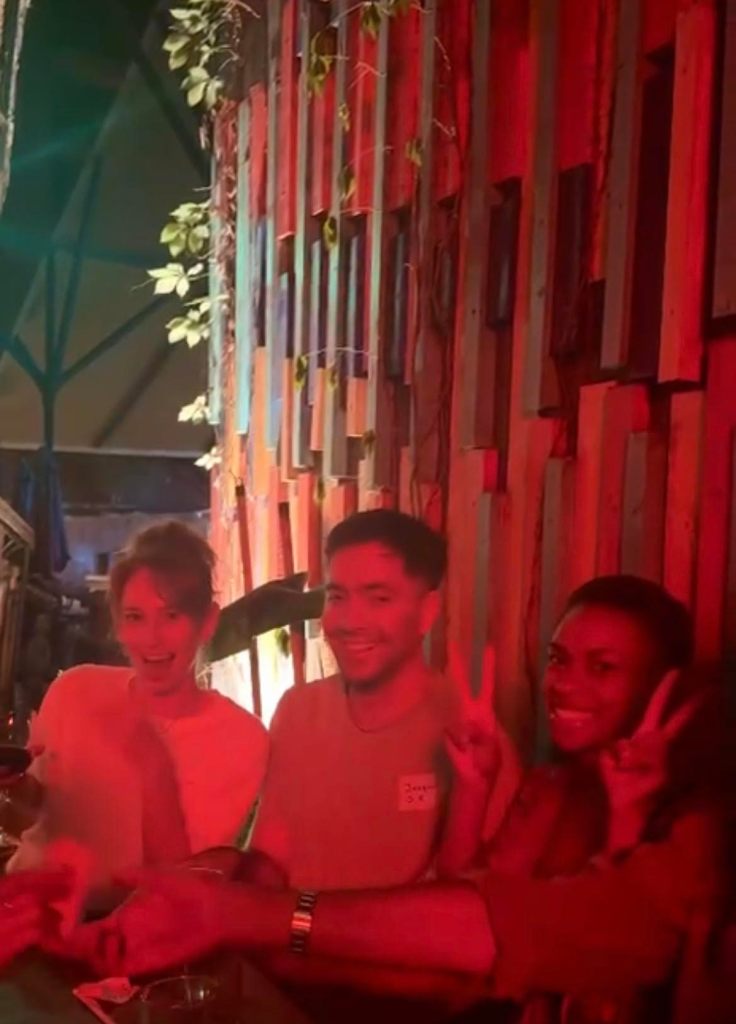
Santiago Speaks (@santiago.speaks) is a language exchange group that meets at a different bar every Wednesday and Friday night. It is both a way to meet people and to get acquainted with nightlife options in Santiago. Before arriving to Santiago, I planned to go to every single week. Instead, I only went one time when the chosen bar was close to my apartment. You have to check if it’s the right vibe for you, but I met plenty of people who go routinely and some events are combined with activities like games, dancing, karaoke or even lessons in languages like Japanese! We played a word association game while I was there and it turns out I am just as intense at those games in Spanish as I am in English…LOL
Nomad Brunch Club
I went to the inaugural event for the Santiago chapter of Nomad Brunch Club. I hadn’t heard of it before, but the group seems to be most active in Lima, Peru. The guy who was spearheading the effort said he’d like to hold events once a month, so if you’re in town, check for events at Meetup.com or the Nomad Brunch Club WhatsApp community.


TimeLeft
I’ll do a more thorough review on this at a later date, but for now I’ll just summarize TimeLeft as an application where you get paired with a group of people and share dinner at a local restaurant. The day(s) of the week and time of the dinner differs by location, as does the price of the subscription. With the introductory coupon code, I paid about $11 USD for a one-month subscription in Santiago, but I’ve heard of people paying twice that in larger cities like Vancouver and Los Angeles. Suffice to say that TimeLeft played a huge part in the joys I experienced during my time in Santiago. Once I have another month of experience with the app under my belt in my next city, I’ll do a thorough review.
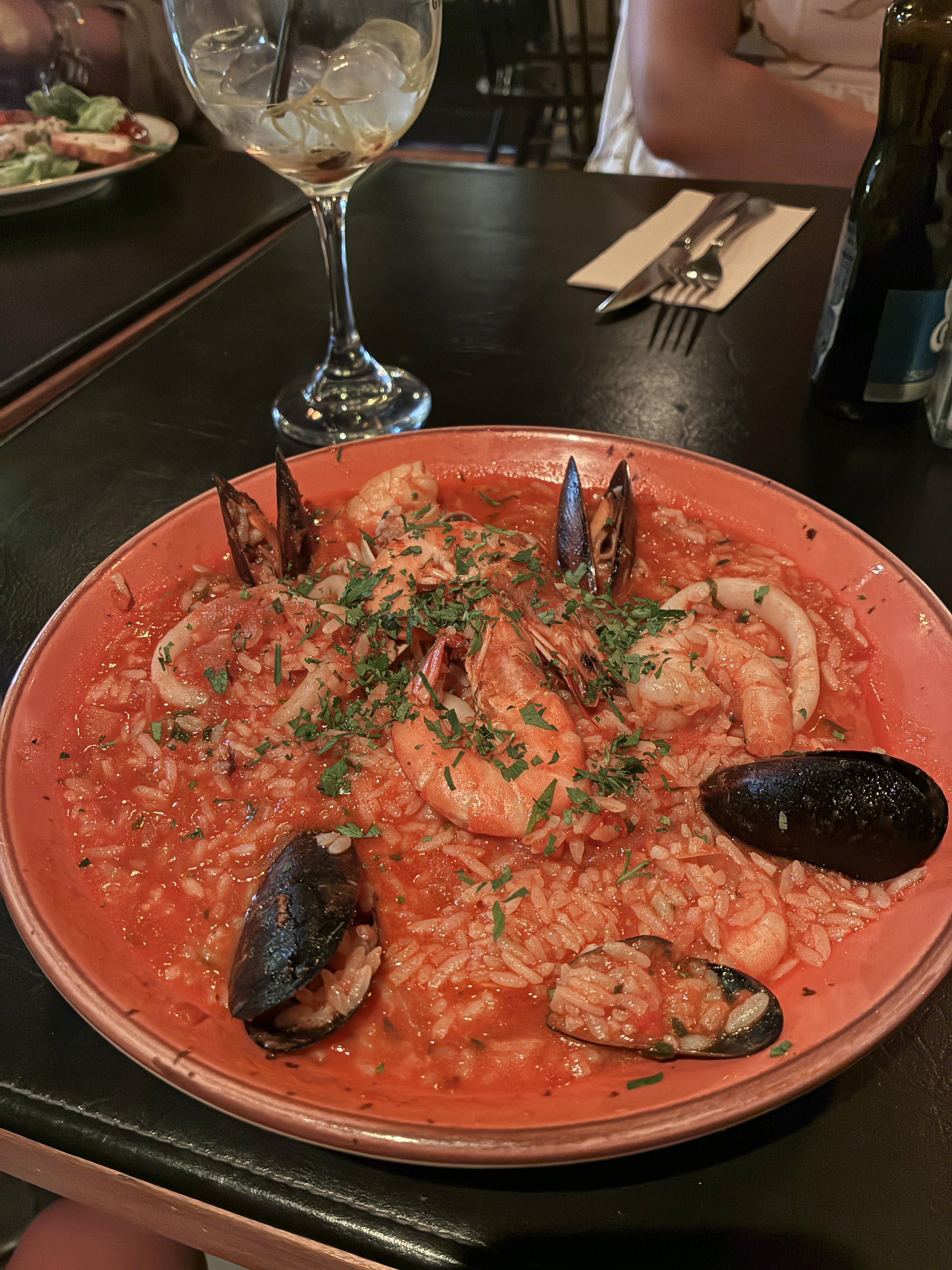
Cerro San Cristobal
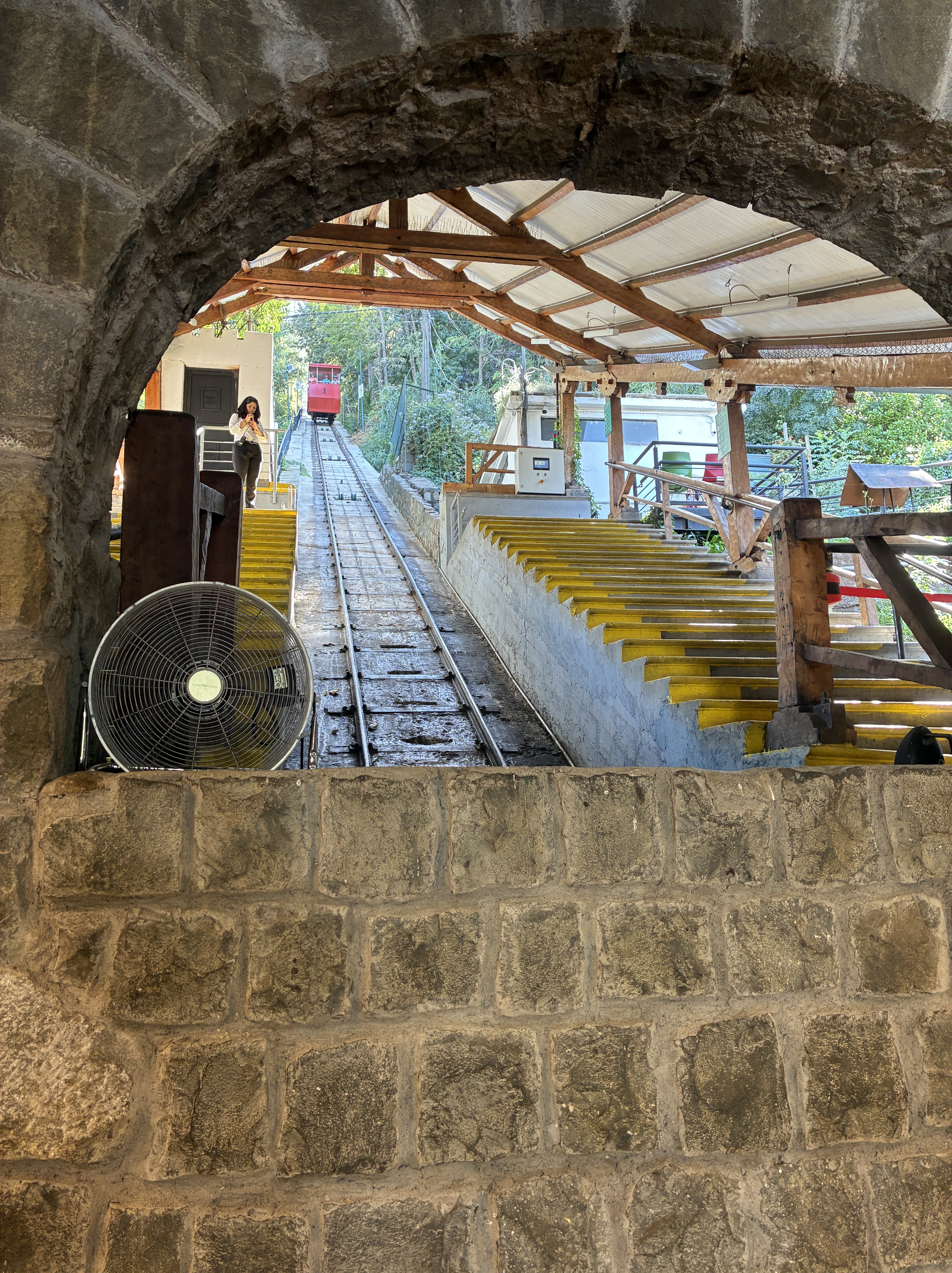
This is a pretty iconic spot in Santiago and one you can see from around most of the city. There’s a roundtrip funicular from the Bella Vista neighborhood that only costs about $5 and a teleferico that picks up and drops off near Costanera, a popular mall. I didn’t take the latter, so I’m not sure about the price. Both the funicular and teleferico makes getting to the top of this hill far more accessible than our next hill, Cerro Santa Lucia.
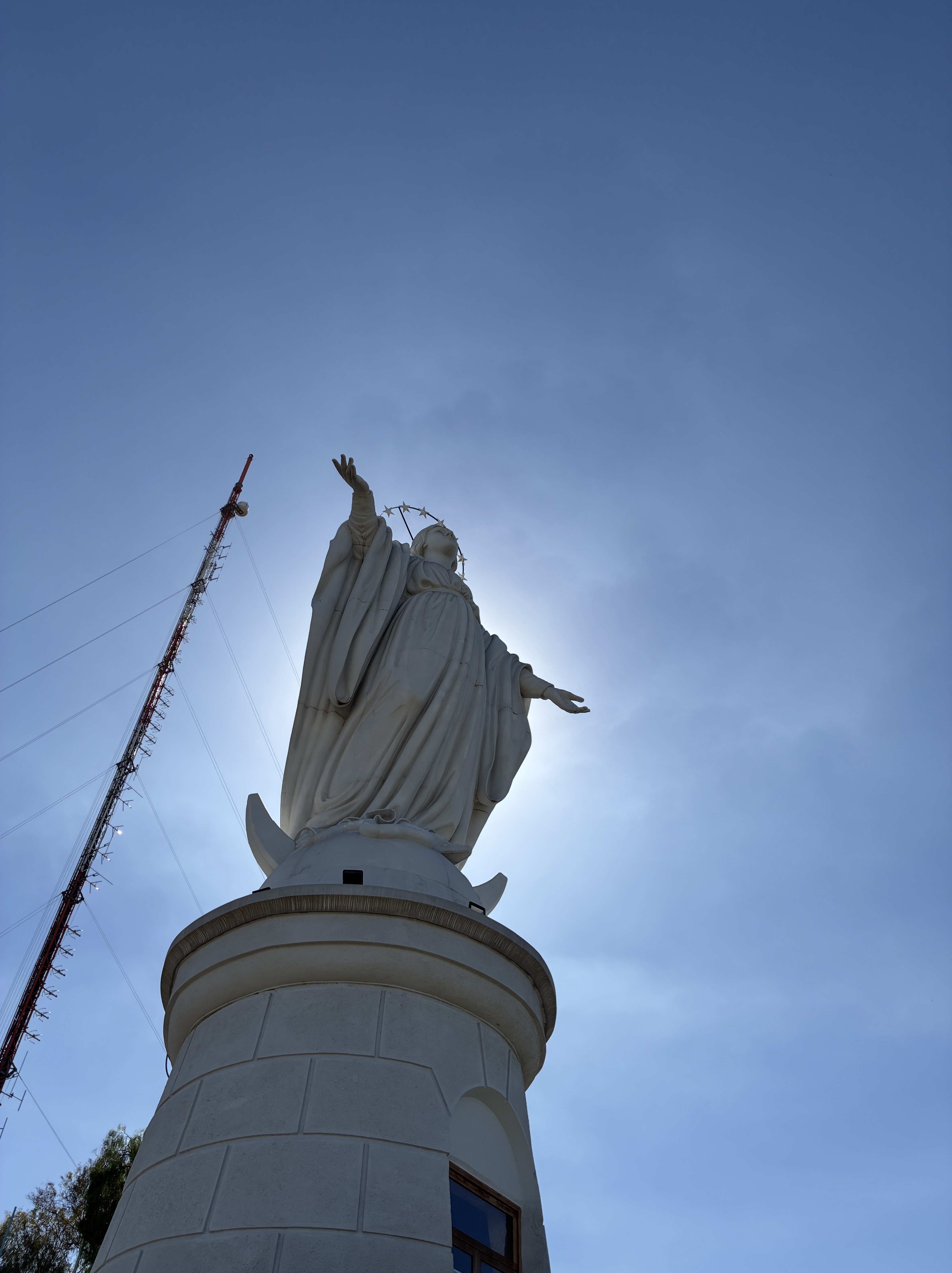
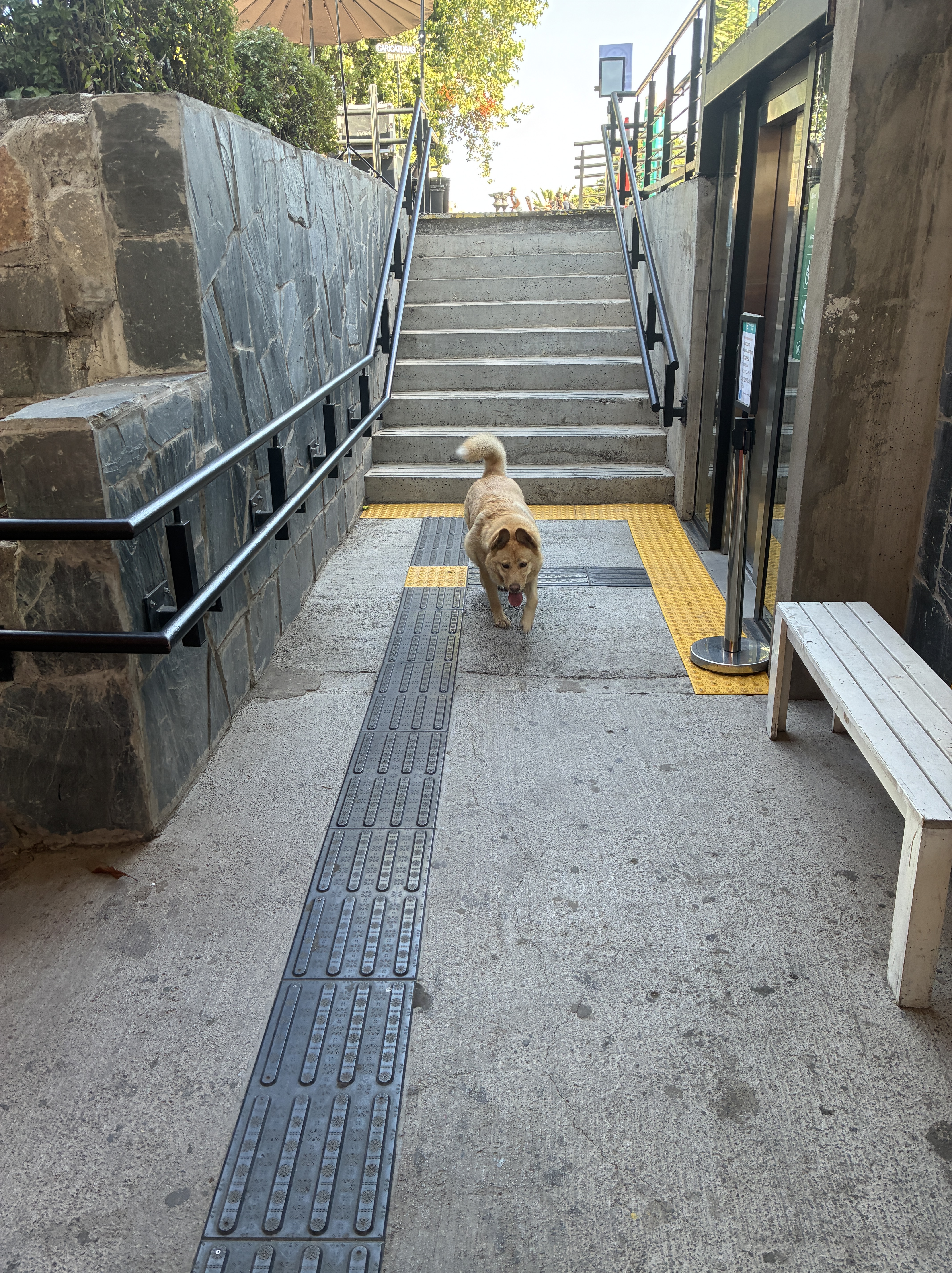
Cerro Santa Lucia
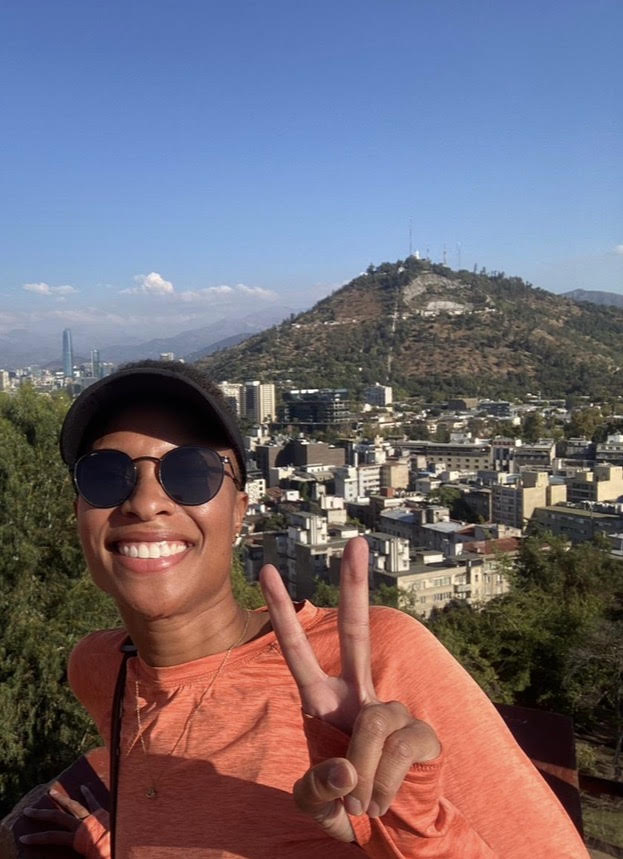
While this hill hike doesn’t seem as iconic for tourists as Cerro San Cristobal, it is certainly worth it!
There are a few different winding paths you can take and they all lead up to the peak, but I could see them being challenging for people who are unsteady on their feet or who battle vertigo.
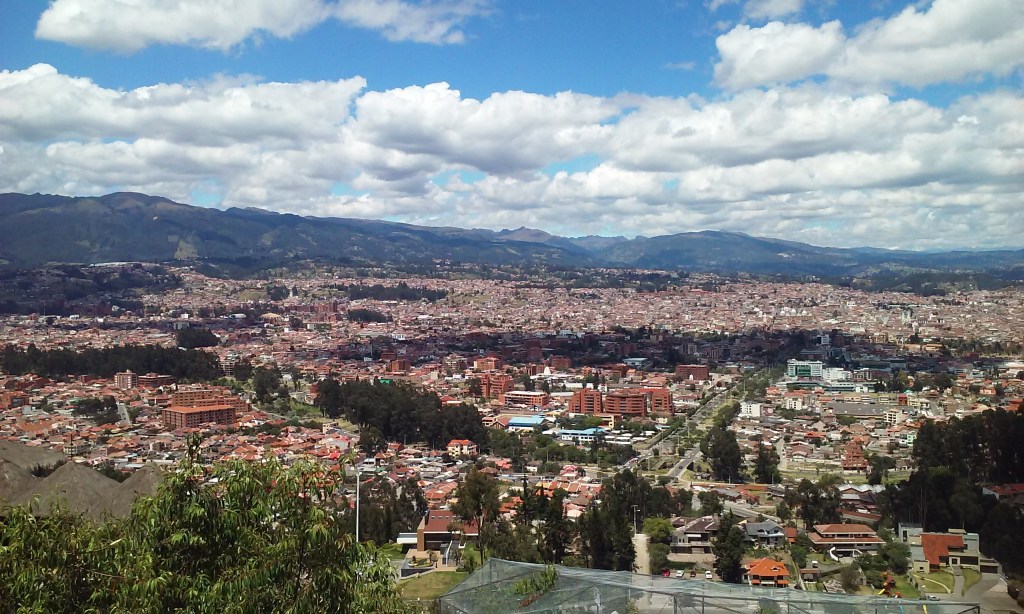
Once at the top, you actually get a view of Cerro San Cristobal! (pictured)
I found this one a lot more fun than San Cristobal, but try for yourself and see which you prefer!
Templo Bahá’í de Sudamérica
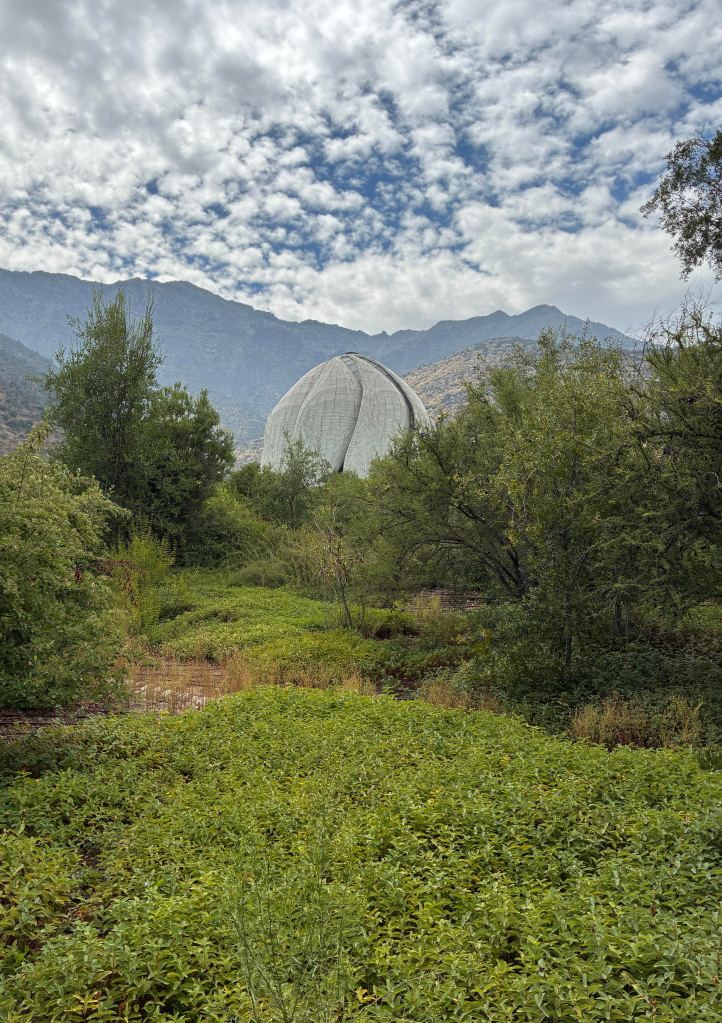
I’ve only ever met one person who followed the Bahá’í faith and that was back in college. So, I didn’t know the religion was known for having quite artistic temples or that the only one located in South America is in Santiago, Chile. You don’t have to donate or attend any services to view the grounds, and it seems to be a quite popular tourist destination for those visiting the city. I took the public bus about 45 minutes east and then walked about a kilometer up to the temple. Alternatively, you can take an Uber ride and elect to do the pretty walk up or get dropped off near the entrance of the temple and skip getting your steps in.
Public Transportation (buses and trains)
Tarjeta Bip! / Public Transport Card
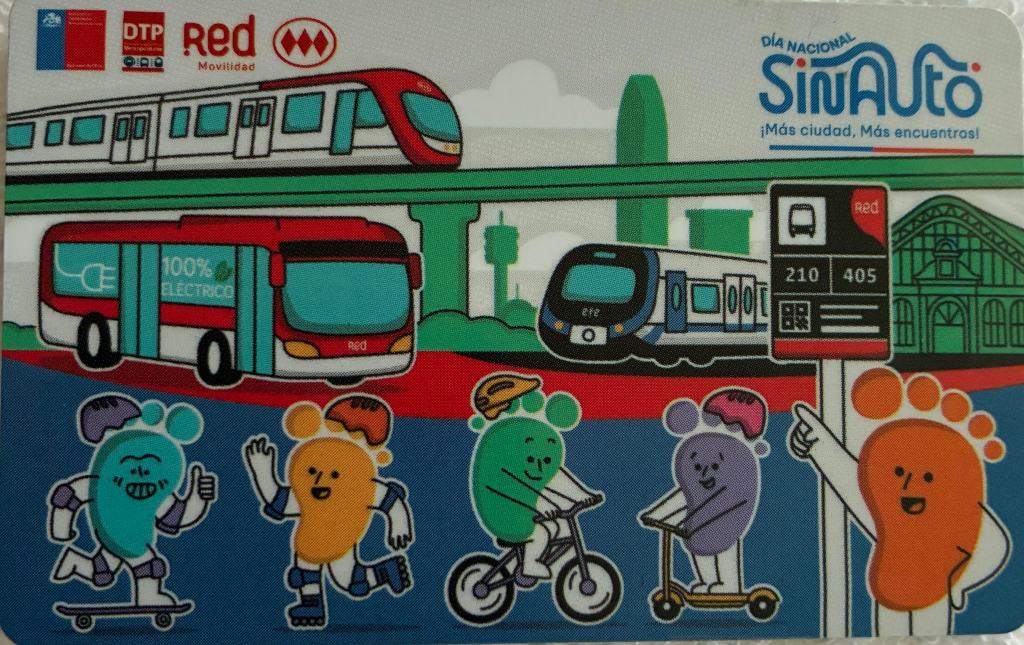
I was able to buy a Bip! card the first day that I arrived in Santiago. The card itself costs around $2 USD and one-way fares on trains and buses are a bit less than a dollar. Whenever I needed to top up my card, it was easy to head to my local metro station, tell them how many rides I wanted to add, and hand over cash.
Trains / Metro in Santiago, Chile
The metro stations that I experienced in Santiago were a far cry from the dirty and decrepit stations back home in NYC. In fact, I found Santiago to be a decently clean city. Each metro line I took had trains that arrived every 2-4 minutes and stations seemed well-organized and efficient.
Public Buses in Santiago, Chile
I know many people are not bus people, but I’ve talked about taking buses across various locations that I’ve traveled to. I was blown away by the amount of buses in Santiago. Some lines definitely arrive more frequently than others, but I was stoked when I was able to take a DOUBLE DECKER bus from Templo Bahá’í back to my Airbnb. That bus (the 519) seemed to have a driver that allowed people to get on and beg for money or peddle goods though. Outside of that, you do get the occasional person listening to music or a WhatsApp message aloud on buses, but most passengers are just every day people heading where they need to be.
When I wasn’t on double decker buses, I loved sitting at the front of the bus diagonal to the bus driver for the best view and the largest single seat on the bus. It also happens to be where you can view people tapping their card when they enter. I found it a fun pass time to see how much money was left on people’s Bip! cards as they swiped. And one day, I noticed that if someone was short on the fair, it would still allow them to enter the bus and give them a negative balance. When I research this, I learned that it is called “emergency journey.” The “Red” buses in Santiago will allow you to take a final journey, even if you are short on the full fare. The next time you top up your card, the emergency funds debt that you used will be covered. This will only work on buses though, not the metro.
Café Mun – Cafetería Medieval y Juegos de Mesa en Ñuñoa
A friend of mine that I met back in Mendoza was winding down her time in Santiago and told me about a cool cafe that she found in her neighborhood. Café Mun is a medieval-themed spot with “potions” for beverages and an entire room of games that guests can play at their tables. While a lot of the items I wanted to try weren’t available on that day and I did not enjoy the potion and pastry that I ordered, my friend really enjoyed her giant sandwich packed with meat. I felt that my lackluster meal was made up for by the fact that the restaurant allowed us to sit down for four hours to chat and play games. After some false starts, we ended up falling in love with Barrio, a card game where you vie for resources in order to build your own community.
Safety
Safety is a topic most travelers/nomads keep in mind, especially when it comes to South America. I am a really safety-conscious person, so I took precautions and didn’t have any negative experiences. That said, I certainly heard of a number of things such as phone snatchings, a necklace snatching, and even a story from a local whose group of friends was violently attacked by a large gang of thieves late one night. Feel free to go with your instincts, and remember that just because things seem safe doesn’t mean that things can’t happen. Thankfully, Ubers are widely available in Santiago and not terribly expensive, so they are always an option if you have valuables that you’d like to protect or if there aren’t many people out and about.
Changing of the Guard
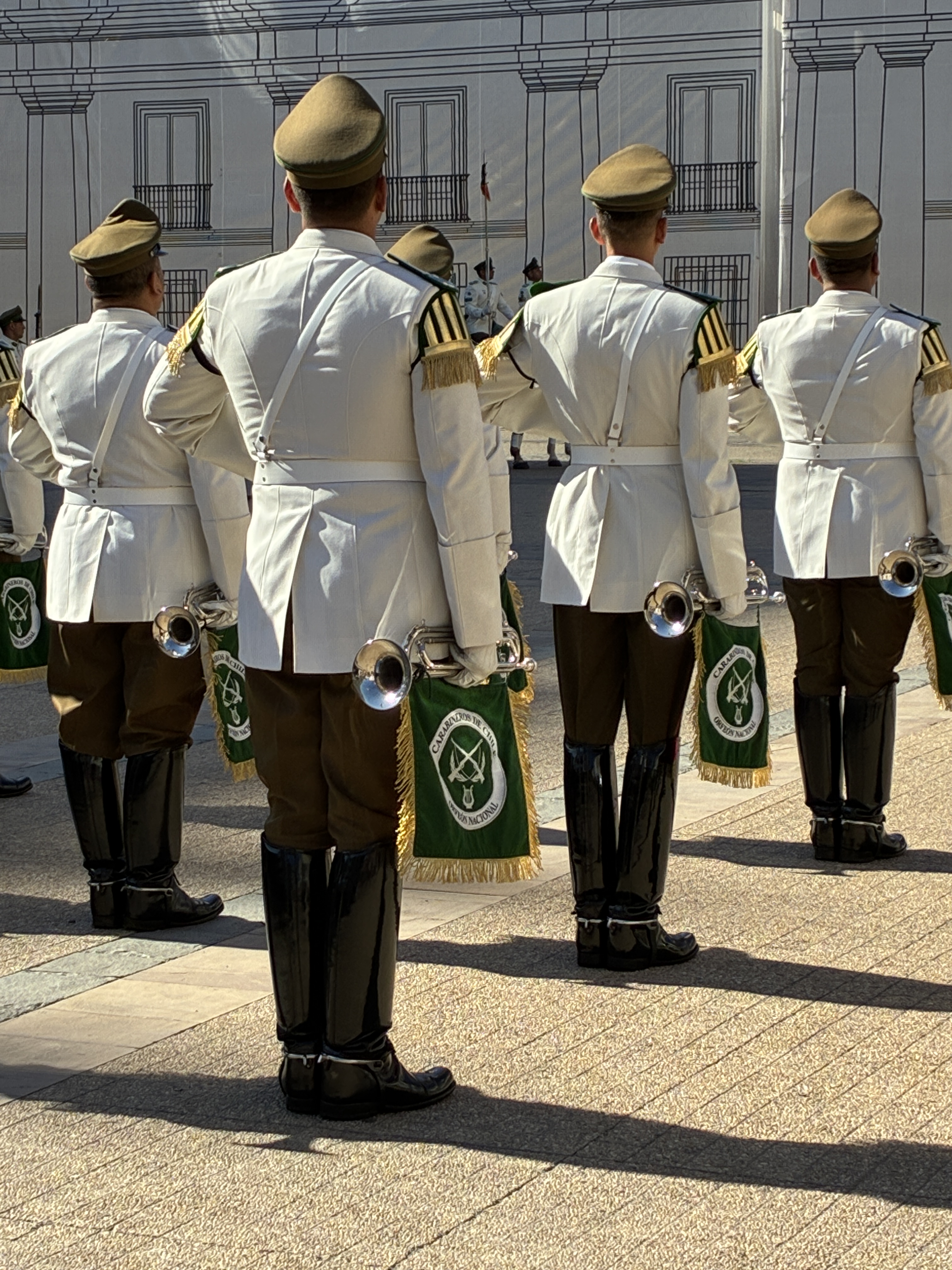
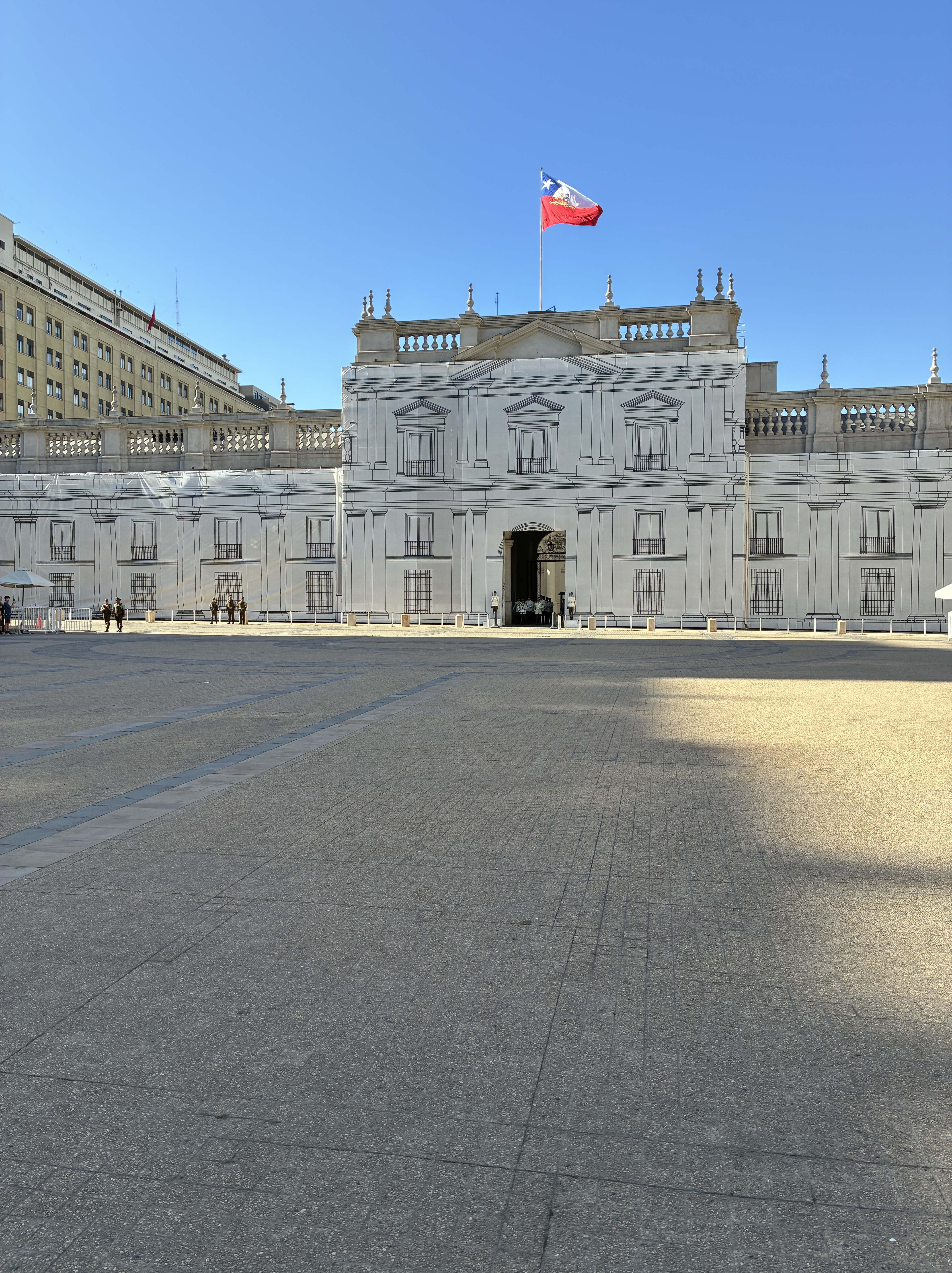
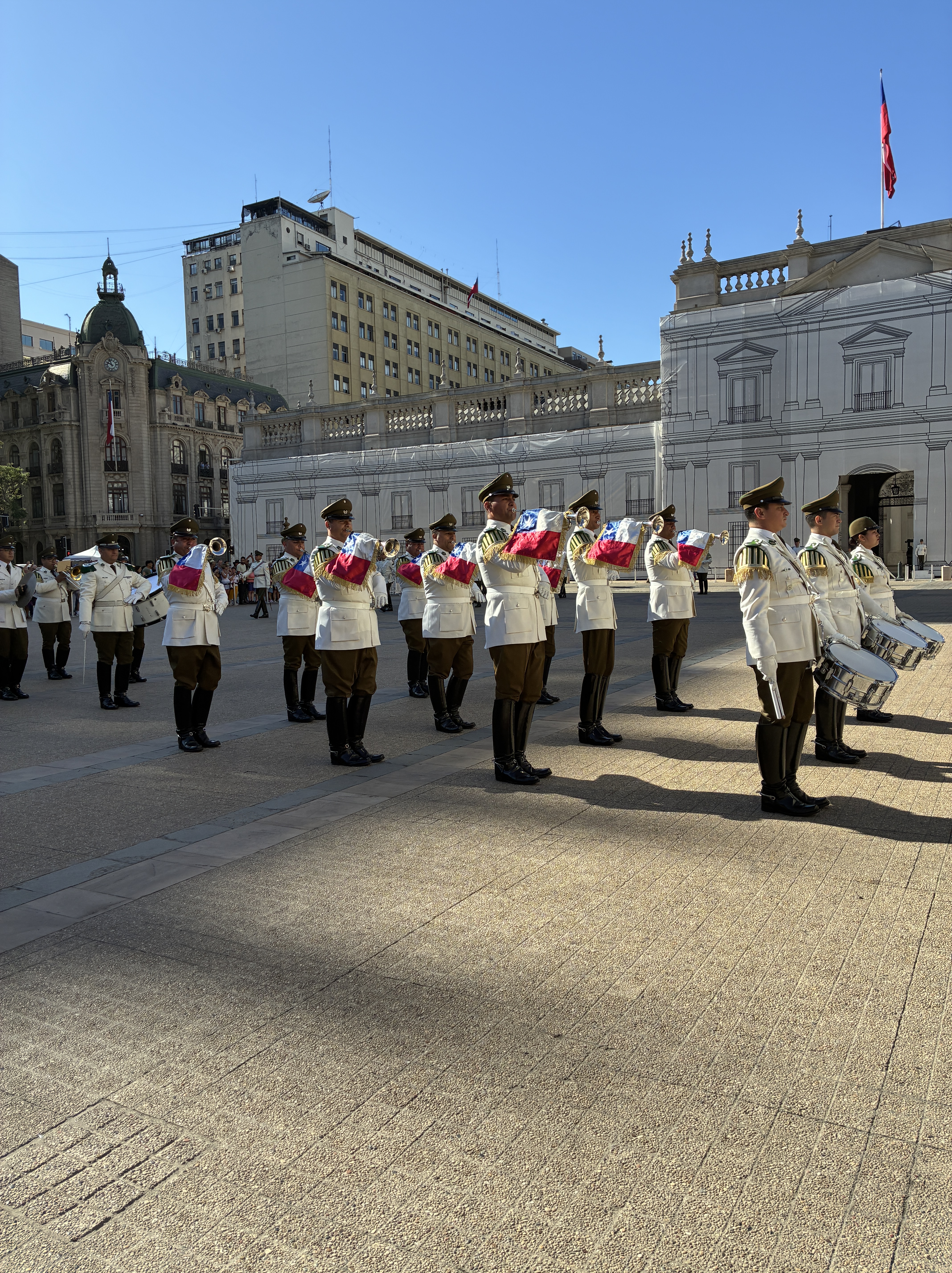
I love watching a guard change. One of the coolest was a tiny guard change in Argentina for soldiers who guard San Martin’s sword. Then you have the iconic guard changes of England. But Santiago takes the cake for the most epic guard change I’ve experienced. They had at least 40 people in their band, two horses, plenty of soldiers marching, and they even includes female soldiers!
When and where can you see the guard change in Santiago, Chile?
Where: Plaza de la Constitución When: 10:00 a.m., every other day of the weekday
Be sure to double-check, but for 2026 they posted the current schedule as:
Odd Numbered Days: January, April, May, August, November, December
Even Numbered Days: February, March, June, July, September, October
Museums
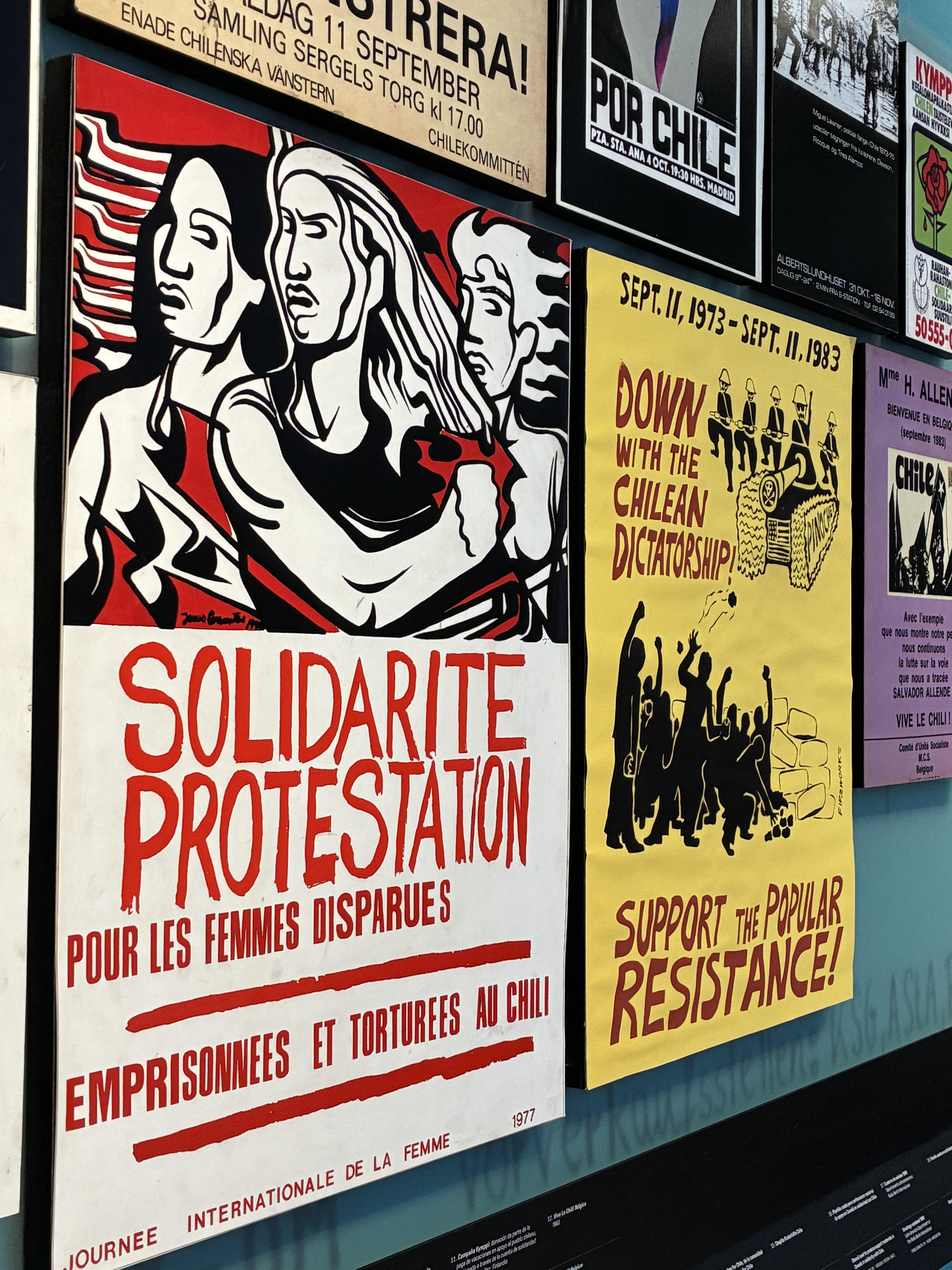
Santiago offers an abundance of museums to visit and many of them have free entrance! The Museum of Memory & Human Rights is perhaps the most famous; it covers the nearly 20-year period of dictatorship that Chile endured and stands as a reminder of the atrocities that can take place during such times. It’s certainly not an easy visit, and I waited nearly two weeks into my stay to prepare myself mentally for the exhibits. I was still shocked many times. I didn’t realize there were so many children harmed during that time, but it was perhaps naive of me to think a dictator would draw the line at the most innocent in society.
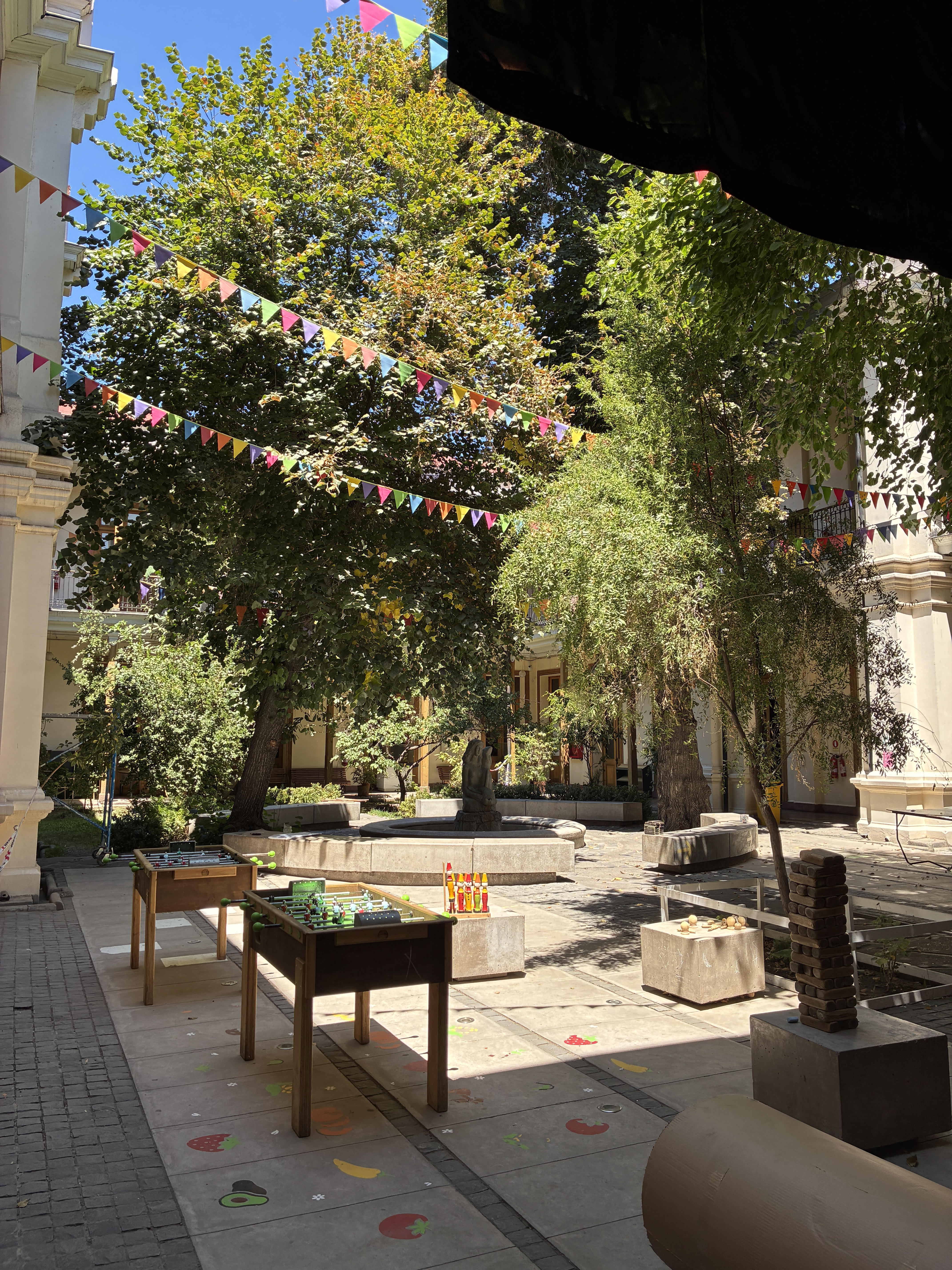
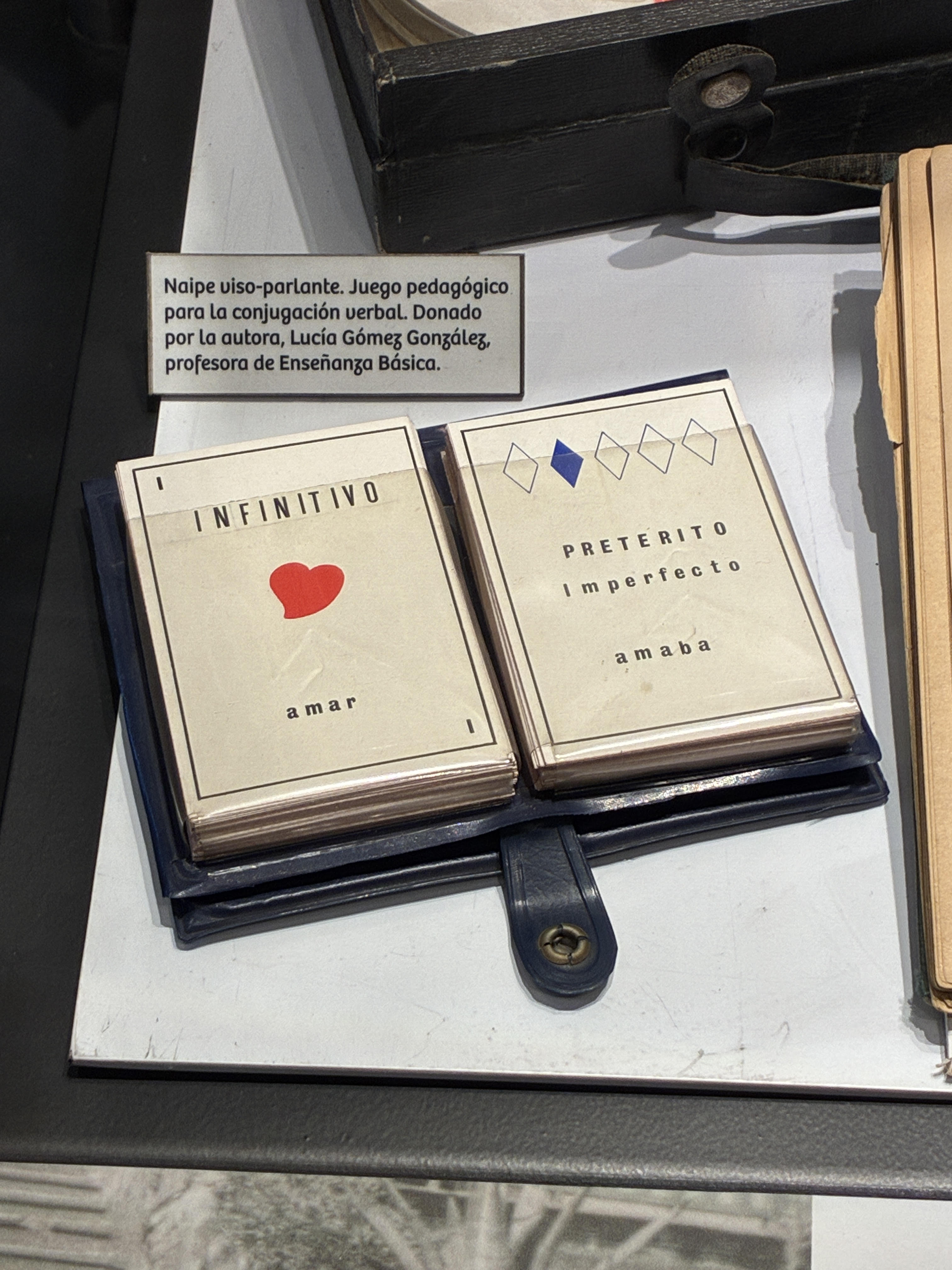
Museo de la Educación Gabriela Mistral is just steps away from the human rights museum and is small but free palette cleanse. It has games in the courtyard that you are welcome to play (including hopscotch!) and an adorable cat that is living its best life interacting with all of the items around the grounds.
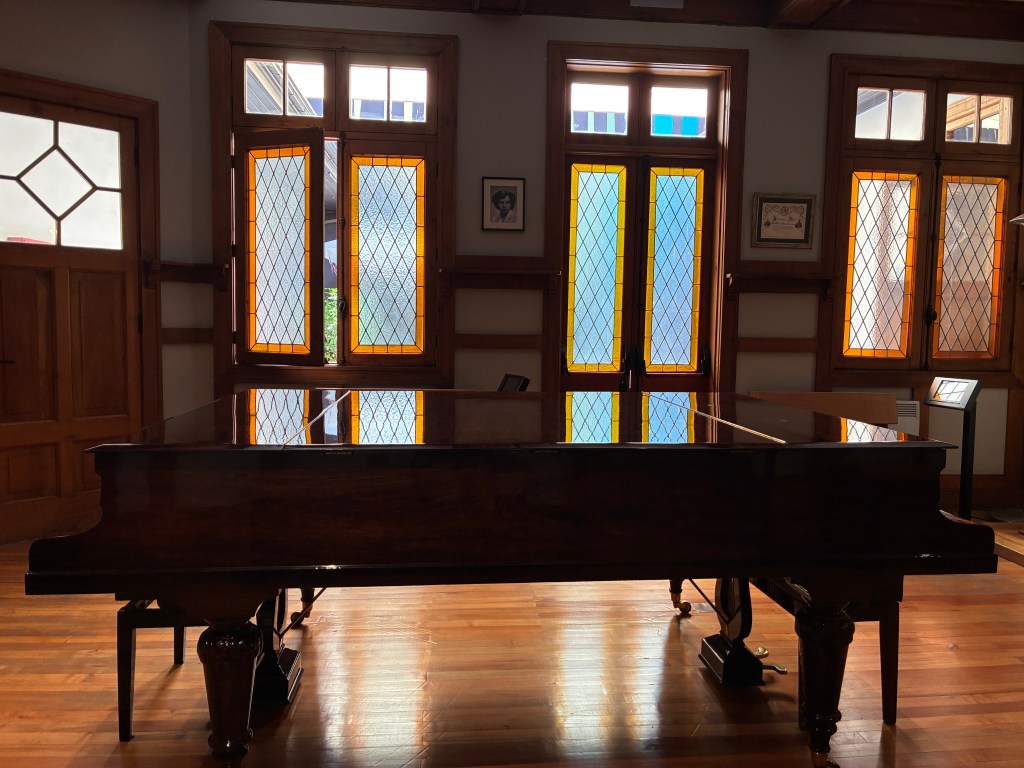
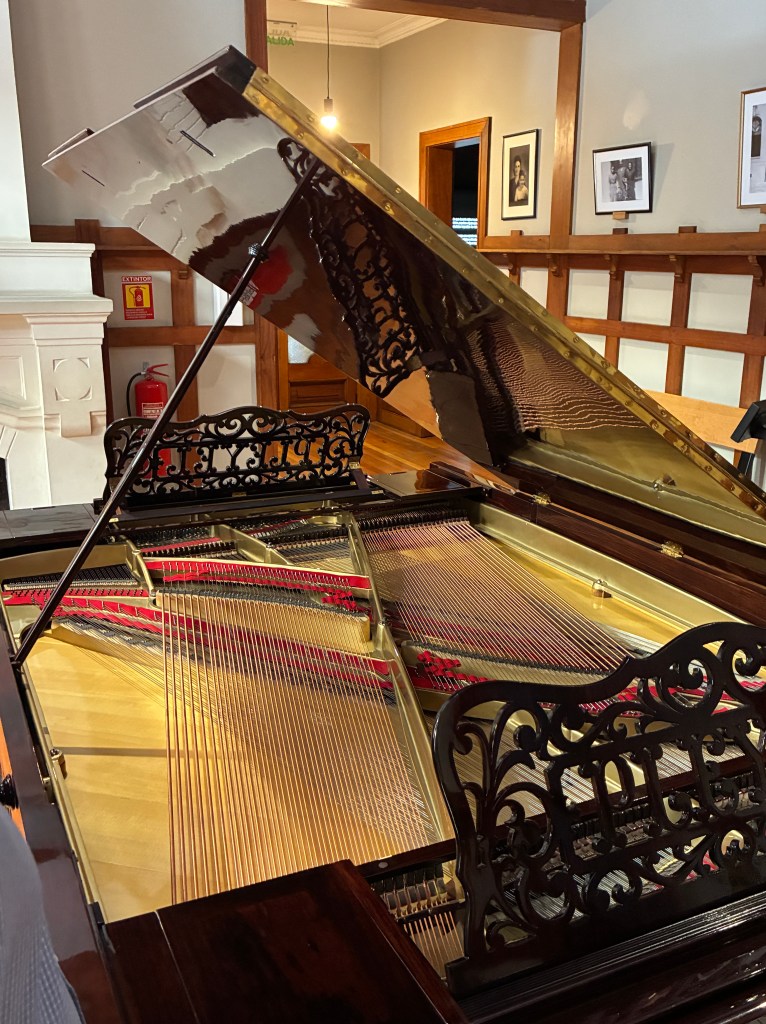
A few streets from there is Museo del Sonido which offers a great look into the history of musical devices and even has one of the few surviving and fully functional double grand pianos!
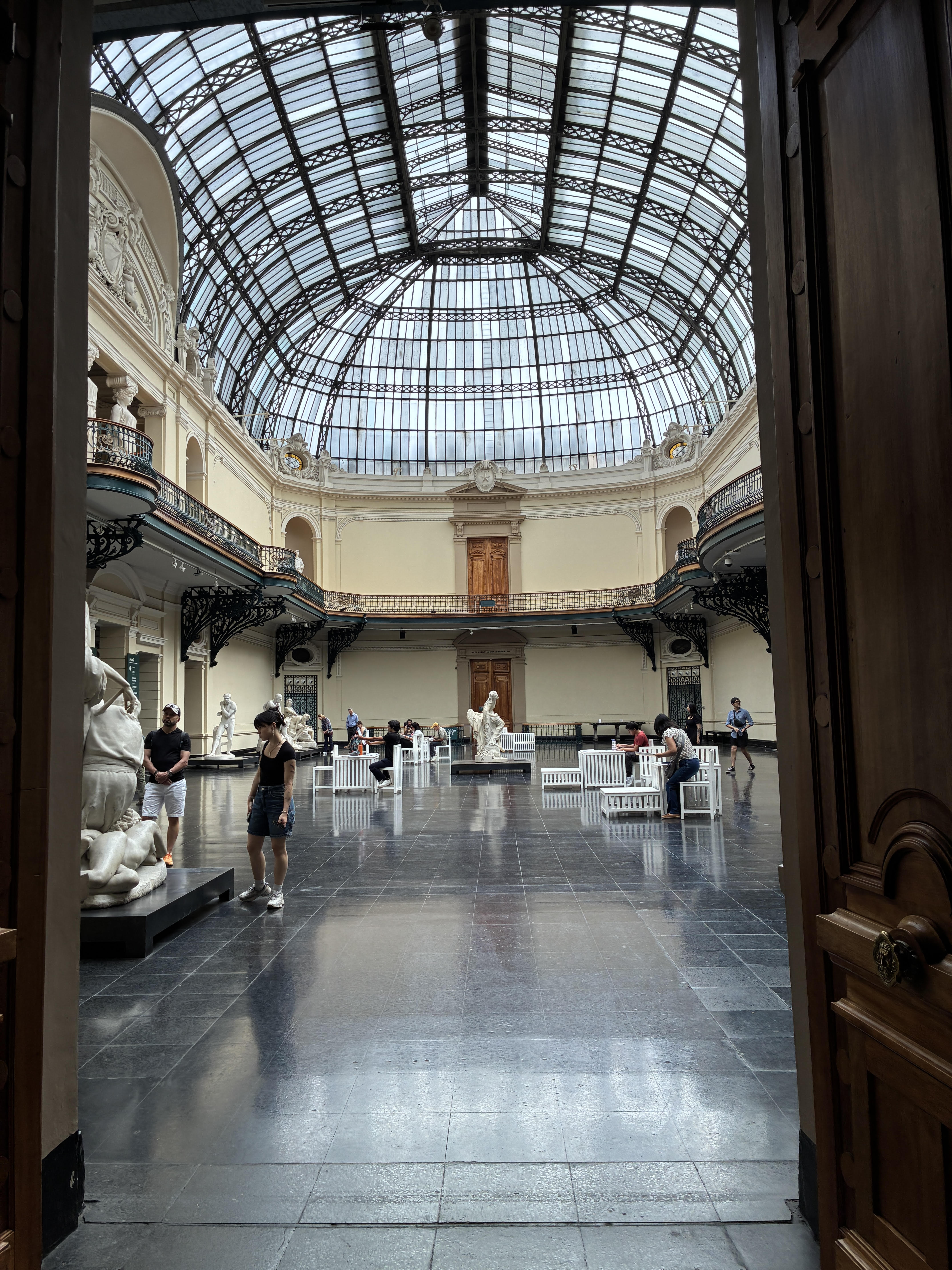
The National Fine Arts Museum is another option closer to the center of the city. I found it to be fine, but not one of my favorites. Thankfully, it’s free to enter and the interior of the building is certainly beautiful.
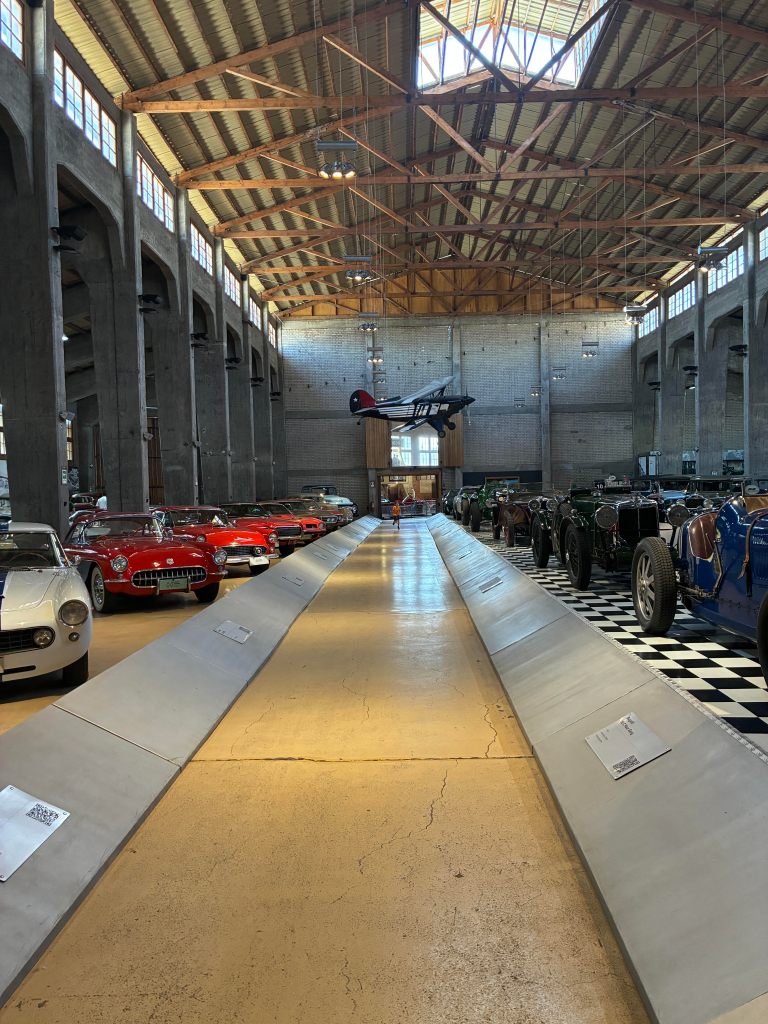
I had high hopes for the Jedimar Museum, which features dozens of antique cars.
While it was great to see some of my favorite retro cars and vehicles that were developed over a century ago, it cost nearly $10 for entrance, which felt steep for what was offered.
But I loved noticing how all of my favorite decades of music (20s-30s and 50s-60s) also overlapped with my favorite styles of cars!!!
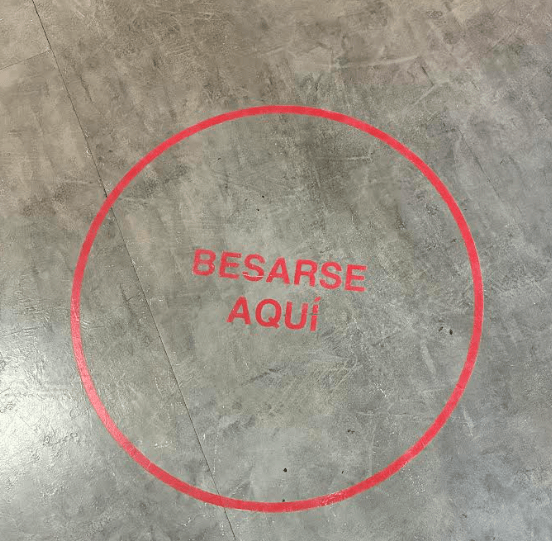
Gabriela Mistral Cultural Centre is free to visit and you can often catch dance groups practicing outside as well as a street market and a free museum.
On the day I visited, I could only visit a gallery with an exhibit on kissing (quite interesting), but the museum itself was closed.
While the Mirador Interactive Museum (MIM) is a far strut from the city center, it’s worth it — including and especially if you’re traveling with children. You can easily spend half the day here. My favorite was a simulation room of the 2010, 8.8 earthquake. The experience is of no additional cost, but I don’t think there’s an option to have it done in English and it can only hold a few people at a time so reserve a spot as soon as you enter. Chile is no stranger to earthquakes, and I did feel a smaller earthquake during my month in the city.
There were also intriguing, hands-on exhibits on how things like the brain, vision, and magnets work. The museum is situated on a huge green space with a number of outdoor food and dessert options. After a food break, you can head over to the small astronomy museum located on the same premises. The entrance fee is included with your ticket to MIM and unlike MIM, there are some English translations available for the exhibits.
National Library of Chile / Biblioteca Nacional de Chile
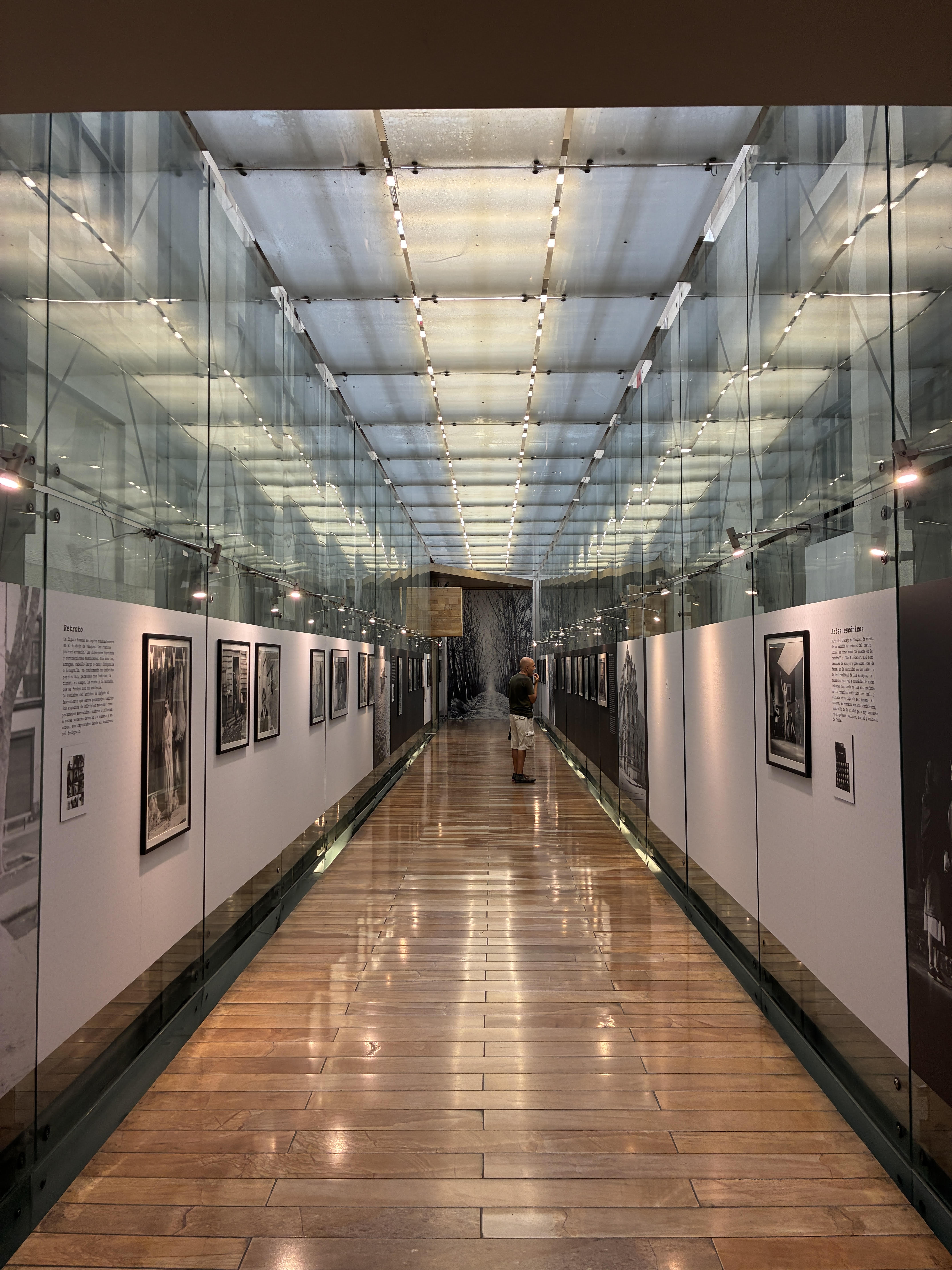
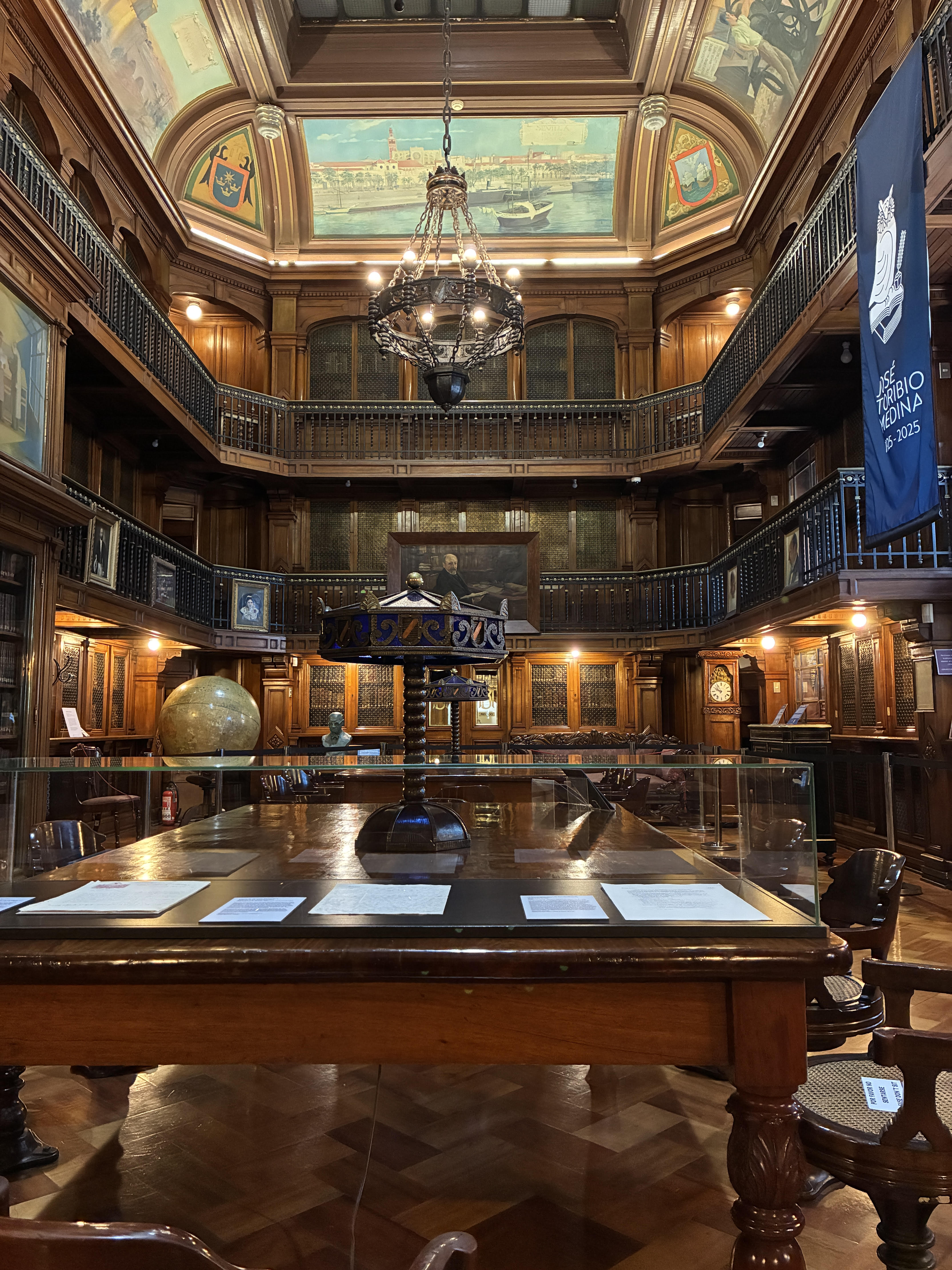
This library operates more as a museum and it even has a photo exhibit inside. There was a nice workspace upstairs, but from what I understood in a conversation I had with the attendant of that room, you have to have a legitimate research project and get documentation approved by the office on the first floor to be allowed to even sit and work on your project in that room.
Hikes
The Santiago metro area offers plenty of hikes, but here are the only ones I did:
Cerro Manquehue
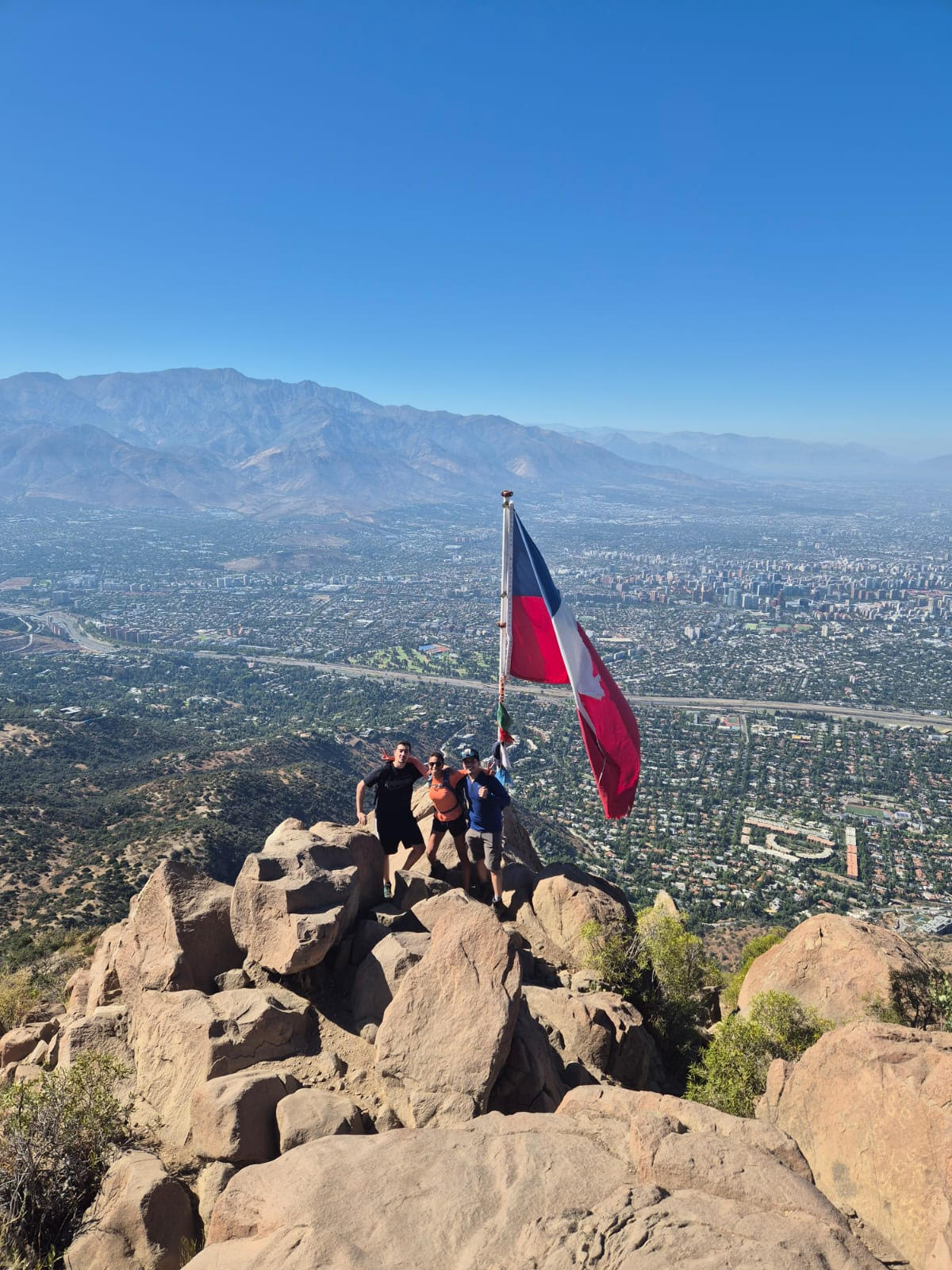
The original plan was to meet up with a group of people at Metro Manquehue and then Uber ~25 minutes to the Cerro Manquehue trailhead, but luckily I’d met a Spaniard at the “Last Drinks” event following a TimeLeft dinner who offered to drive the group from the metro station. This hike is nearly completely vertical with some rock scrambling and great views over Santiago (all of which I enjoyed), however its steepness really comes into play on the way down. You can slide out in a few places, and I saw plenty of people using poles to navigate the terrain, which I didn’t have. By the end of making my way down, my knees and my toes were unhappy. But I already knew I usually only prefer the hike up on trails. There are also plenty nearby hikes that would offer easier trails, including the Manquehuito trail which is an offshoot of the hike that I did and seemed to be an option for families who want to bring little ones on a hike.
Cajón del Maipo
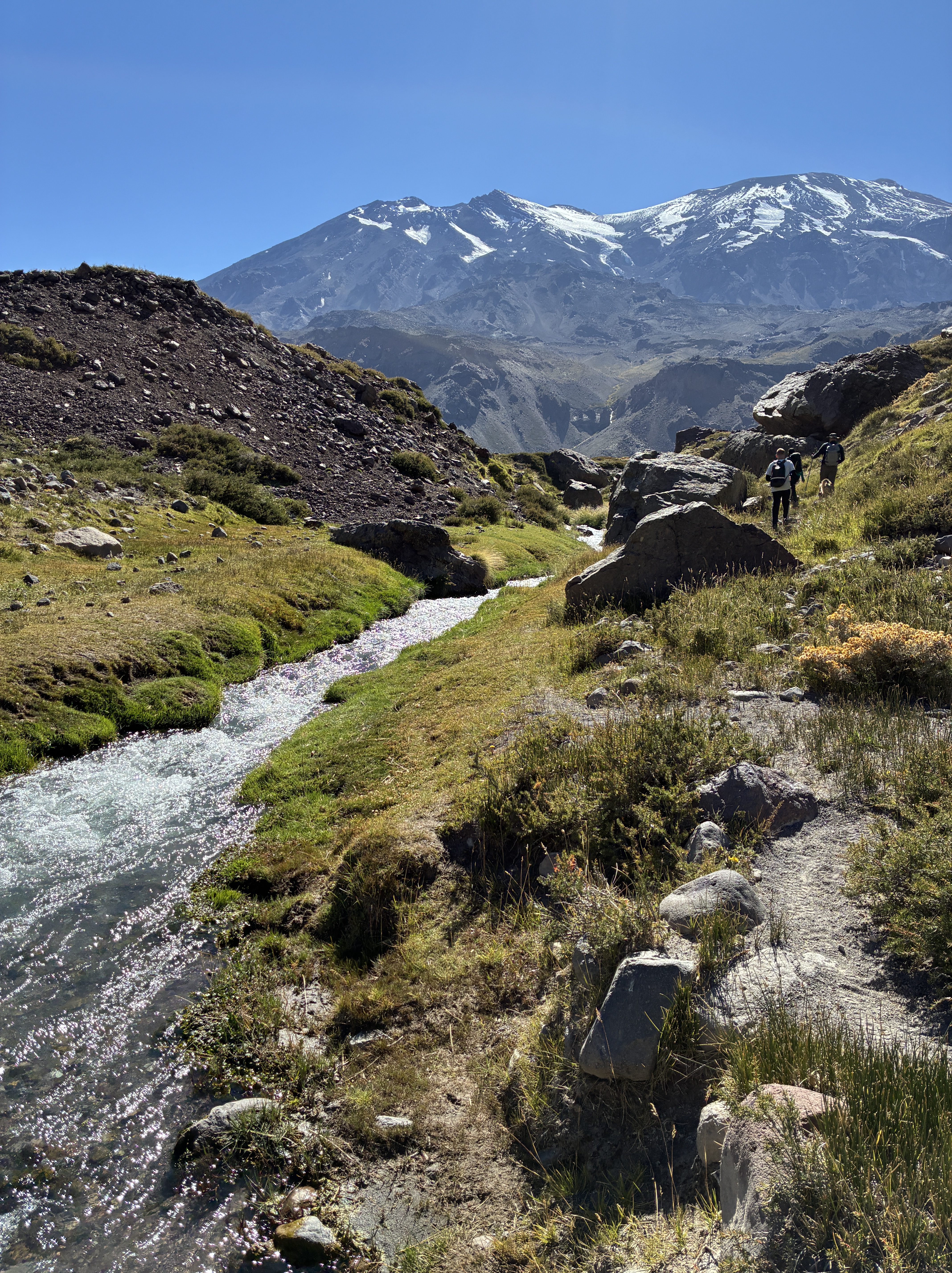
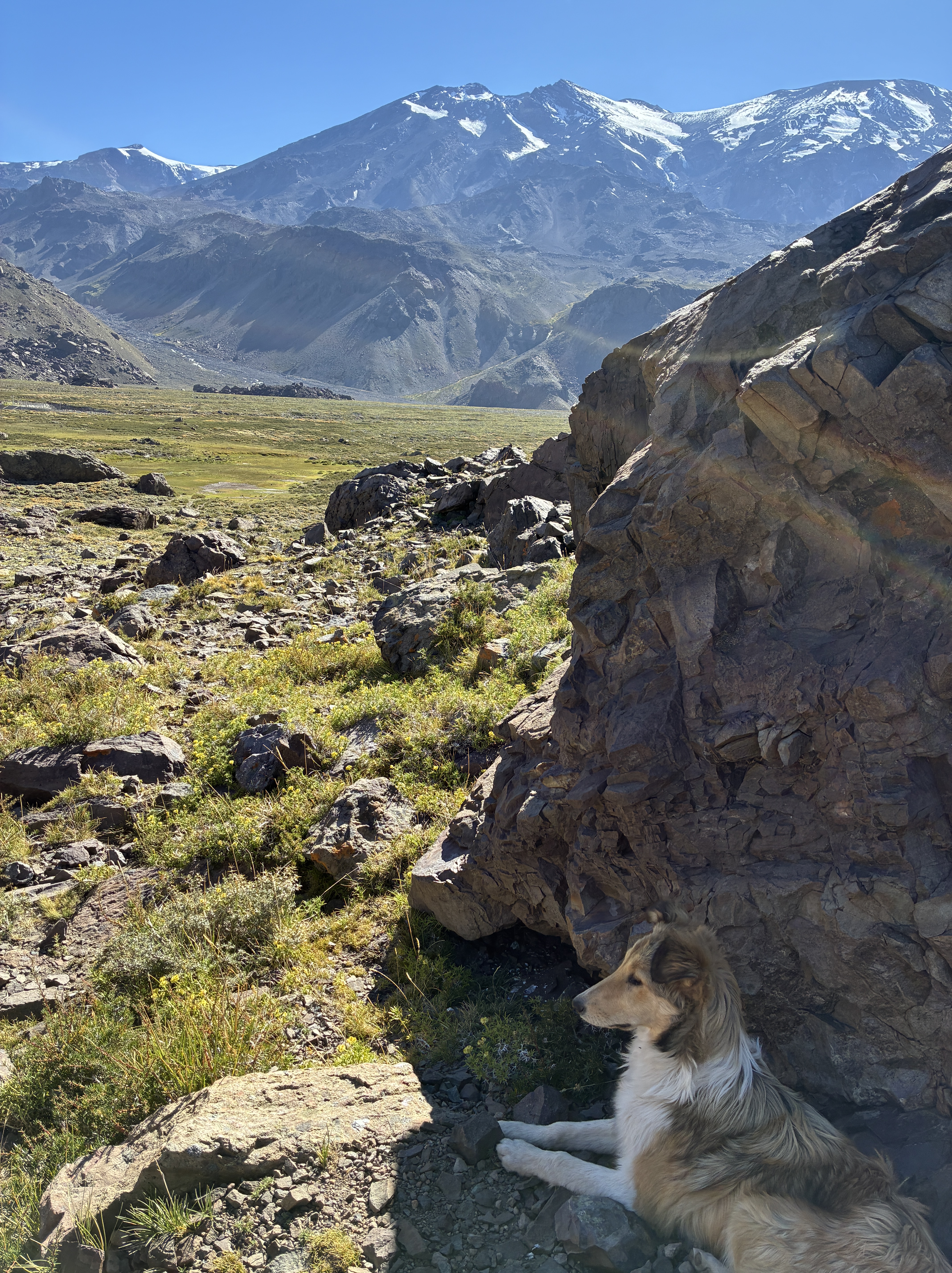
This is a large nature area known for hikes, but if I could go back in time, I would not have booked a tour to hike near the volcano. It was costly, especially considering there are a number of hikes surrounding Santiago that you can reach with an Uber at a far cheaper price, and the paths my tour took me on were absolutely FULL of goat and horse droppings plus spiky bushes that can attach to your clothing, and we had some issues with water crossings. It’s a lesson learned: moving forward, I want clean and largely unobstructed trails. Though I will say it was adorable to see chickens, goats, horses, a duck, a condor, and apparently a giant pig that I somehow missed. And to be fair, it was also my fault for hitting this tour only two days after Cerro Manquehue simply because I felt awkward changing dates around. My body was fatigued and my toes were already in pain before we even started, and that is definitely a bad way to begin a hike.
Gyms
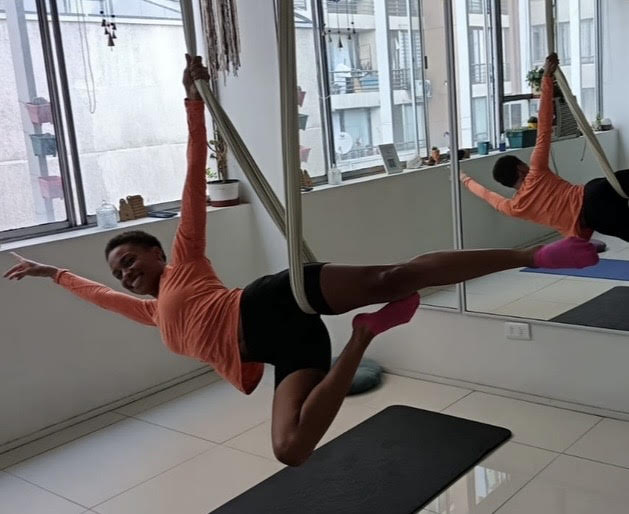
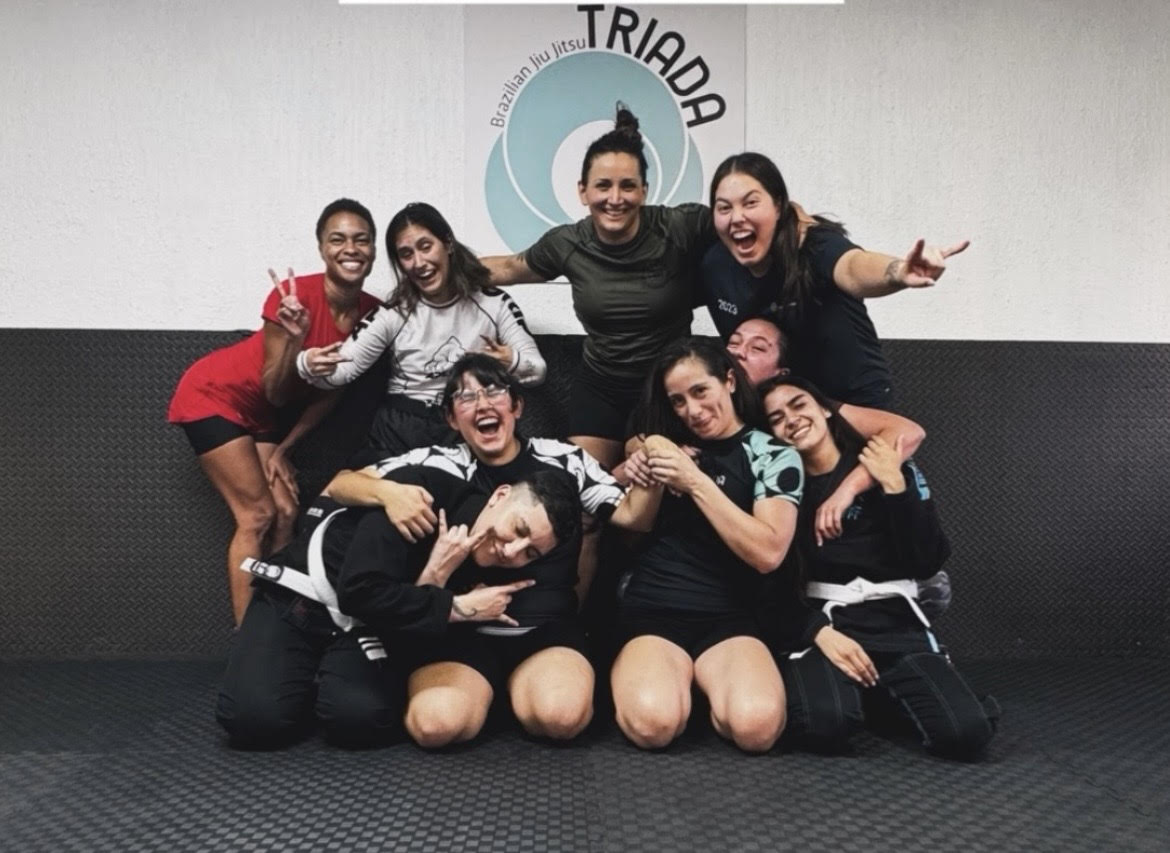
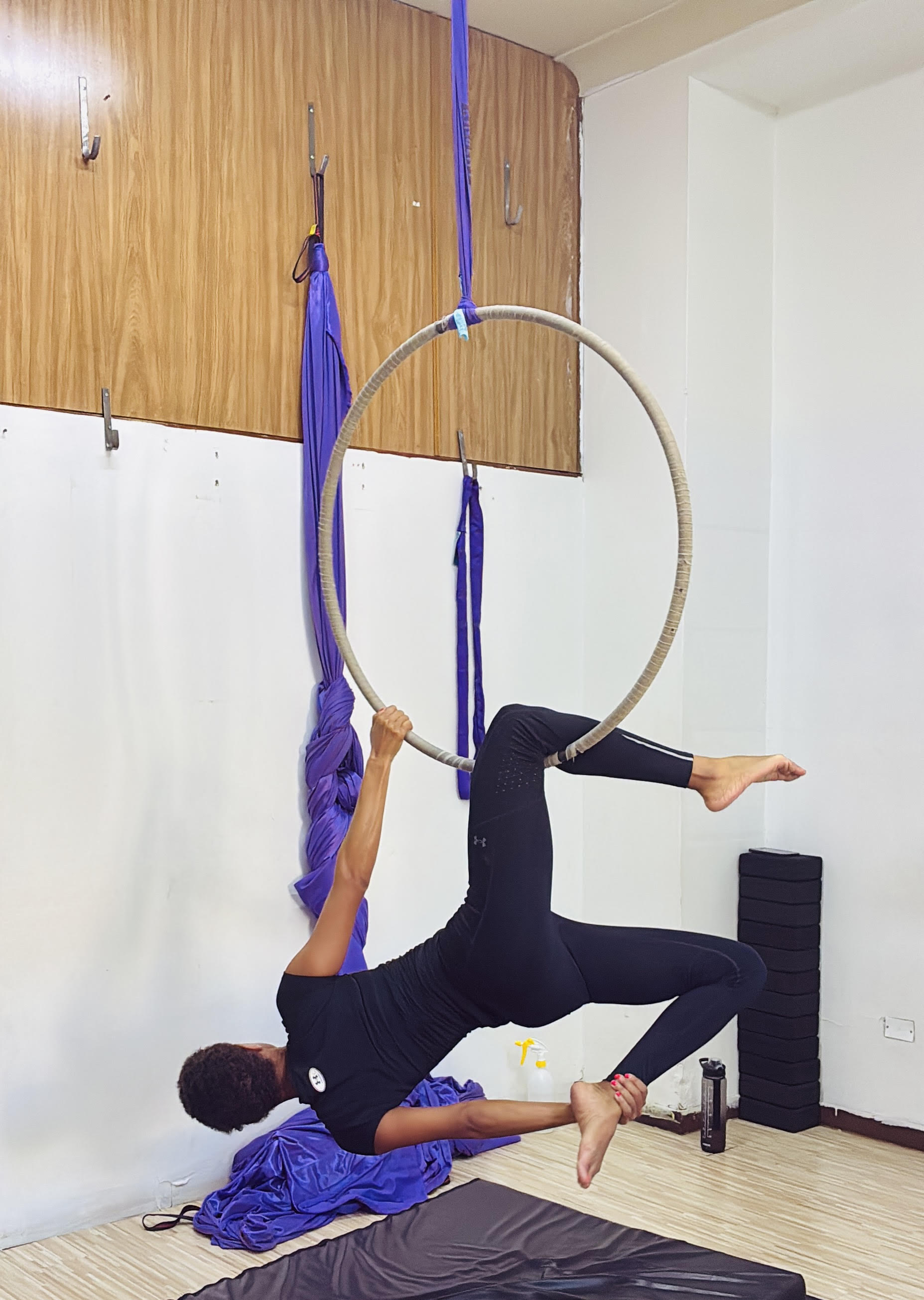
Fitness is an important part of my life, and it can also play a key role in social life while traveling. Santiago was great for the number of fitness activities offered and because ClassPass is available in the city. During my month there, I practiced at two different aerial arts studios and a women’s only jiu jitsu gym.
Live Theater
Back in Mendoza, I saw a play called “Nerium Park” and realized I needed to keep local plays as a consistent part of my travels. So, I was stoked to see a number of theaters within walking distance of my apartment in Santiago. Based on availability and interest, I ended up seeing two plays:
Perfectos Desconocidos (Mori Parque Arauco)
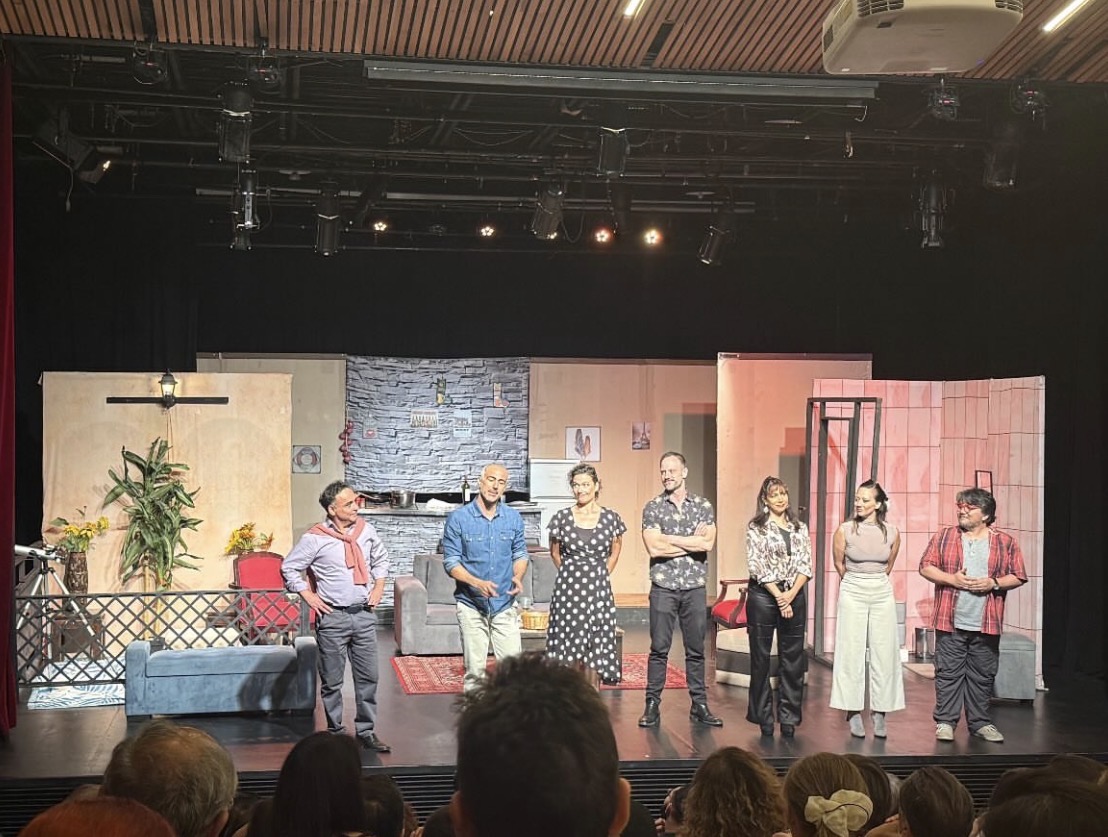
This was a play about a large group that has been friends since childhood, but on the night of a solar eclipse they discover that they do not know as much about one another as they believed. They decide to play a game where each time someone receives a notification or answers their phone, they must read or play it aloud for all to hear. These secrets illicit laughs and gasps from the audience, who end up knowing a lot more about each character then even gets revealed among the group. I was pleased to be able to follow almost all of the play with just some Chilean slang words that were foreign to me.
MALtrimonios (Teatro Bellavista)
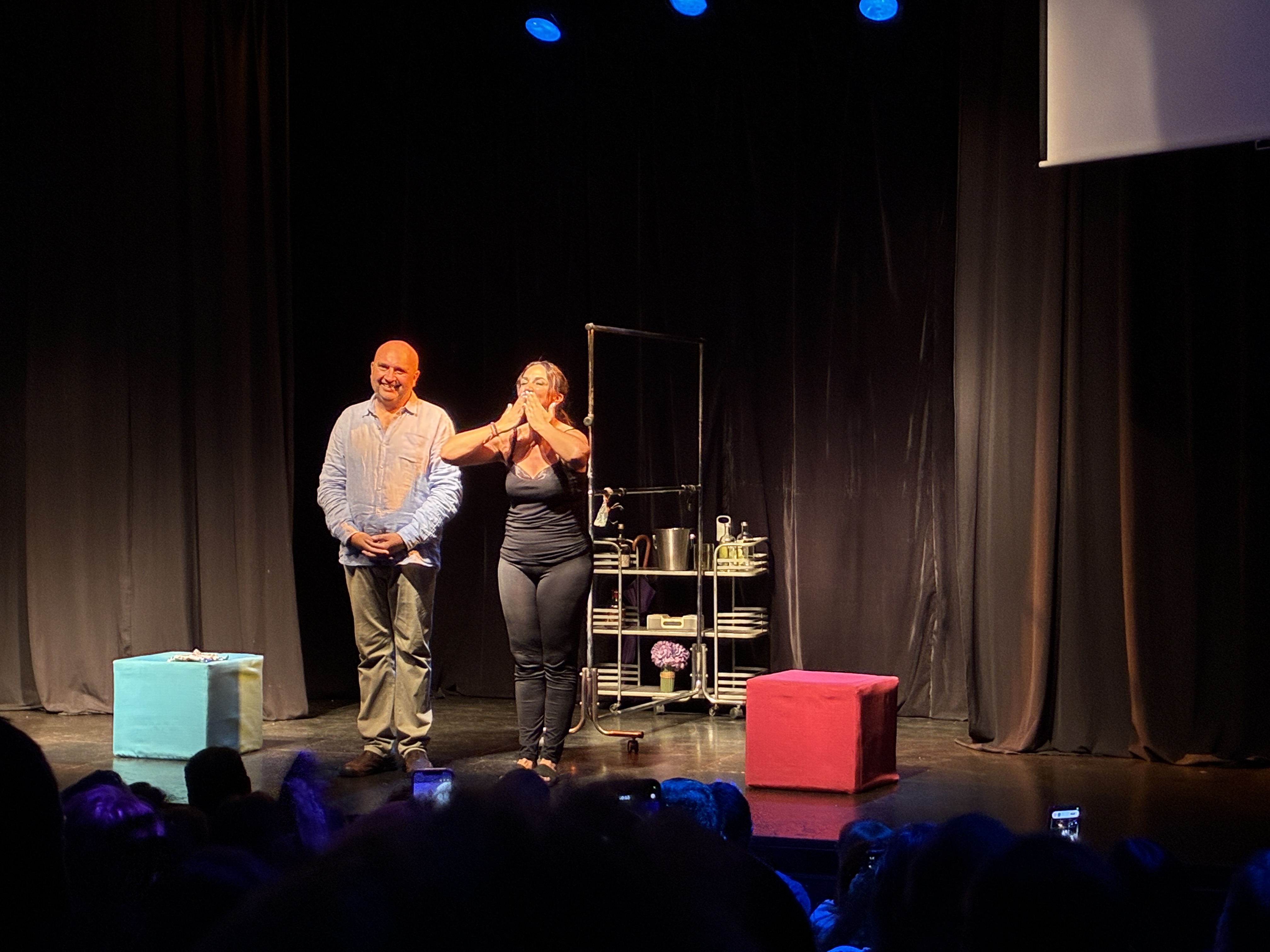
This play was about a married couple who feel they’ve lost their spark after spending years together and venturing into parenthood, and I love two-person plays that dive into the nuances of partnership. There are hilarious pre-recorded commercials of the couples relationship that play while the actors changed clothing. Unfortunately for me, the male character is made to have a hyper-stereotypical, rapid-fire Chilean accent (especially whenever he is getting caught in a lie…which happened frequently lol) and many of his lines were difficult for me to follow. Thankfully the wife’s accent was crystal clear.
Day Trips: Valparaíso, Viña del Mar, and Casablanca
I had originally decided I wasn’t going to visit Valpo or Viña at all. Viña in particular happens to be much rougher around the edges and with cooler temps than images would suggest, but due to a change of plans, I booked a day trip on my last full day in Santiago. When we arrived, Viña was cold and foggy, but the highlight was taking elevators up the hills. Only a few remain in service today, and I haven’t done that since back in Portugal! Once we walked closer to Valpo, the sun emerged and it was fun to take in all of the famous street art. We then ended the tour at a massive winery in Casablanca. I was shocked that it impressed me even more than the many wineries I visited during my time in Mendoza. While I’m glad I didn’t spend too long in any of the locations, I would still recommend booking one of the many tours that let you visit them for the day.
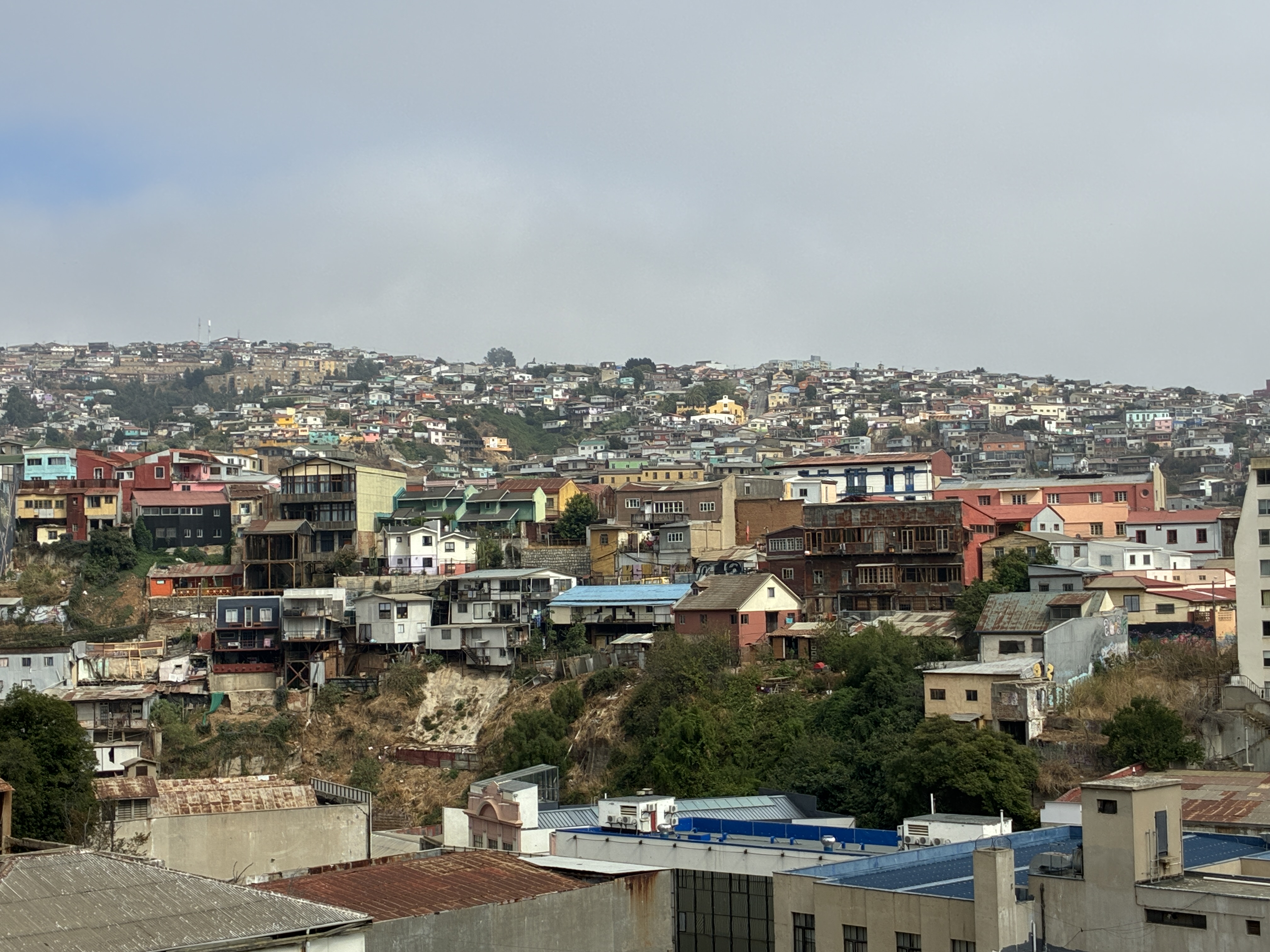
View over Viña del Mar after taking an elevator up the hill 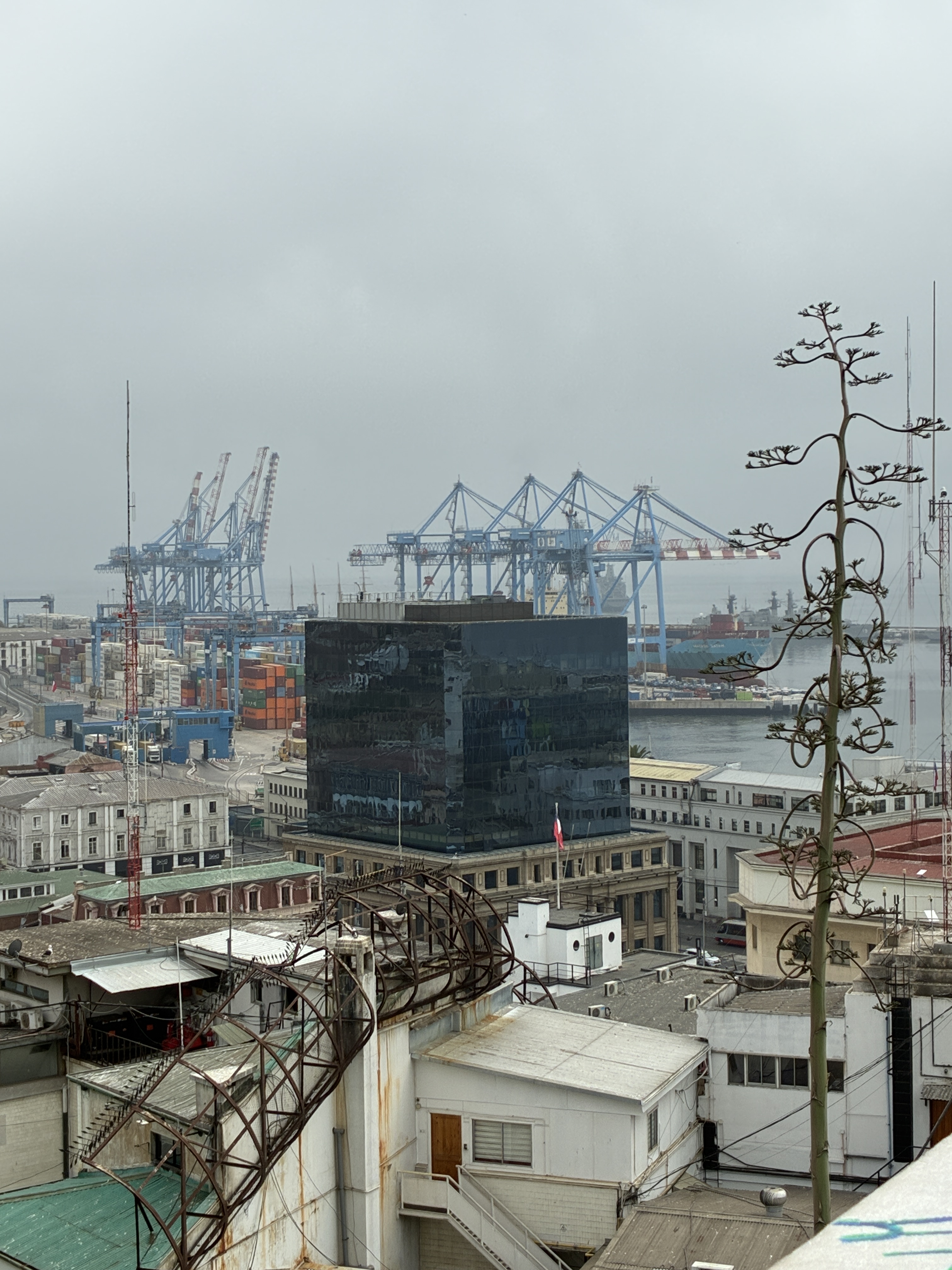
Historic buildings cannot be torn down, which resulted in this futuristic structure atop the original one 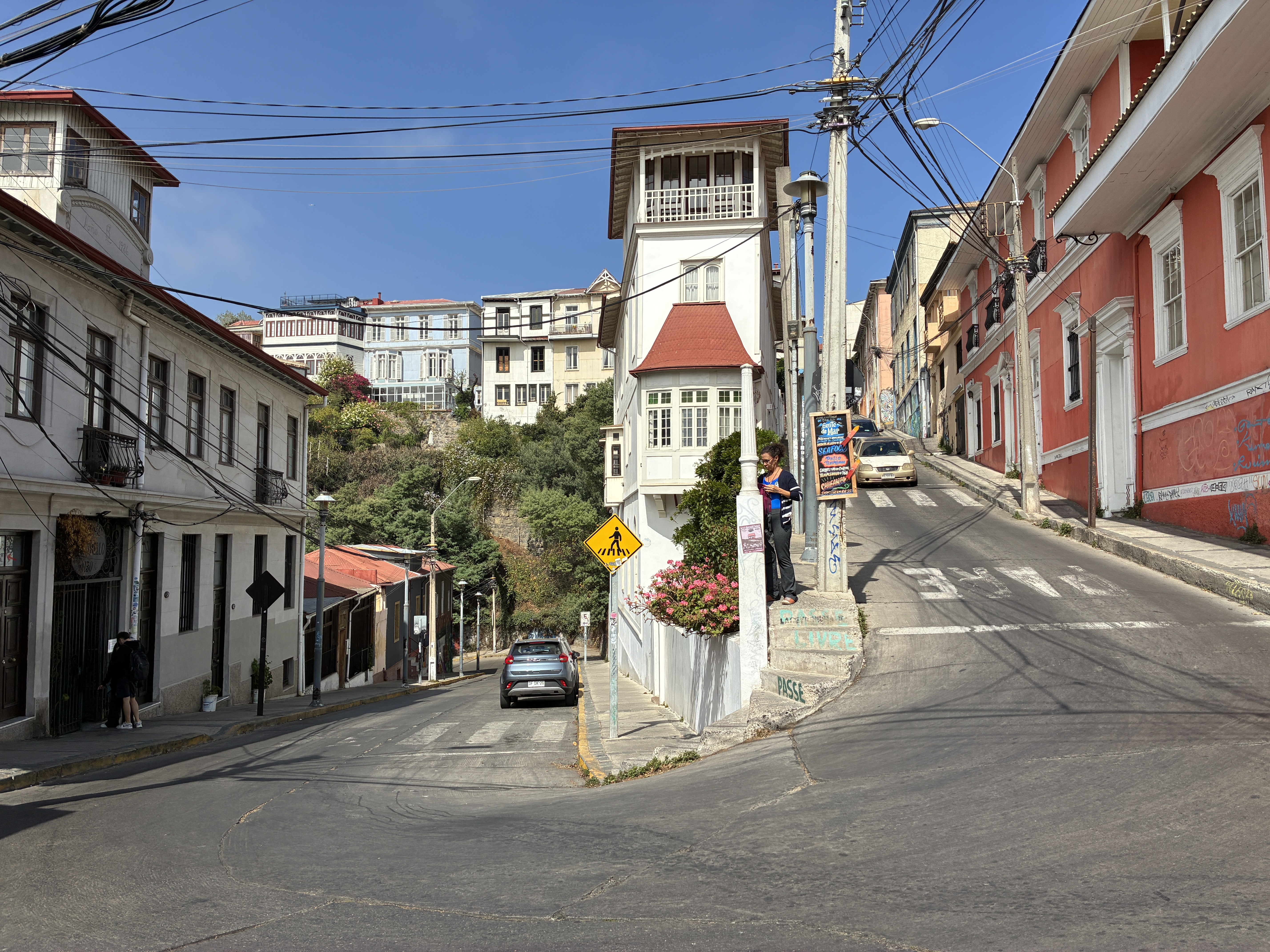
There are homes with a different number of floors on either side given the hills around town 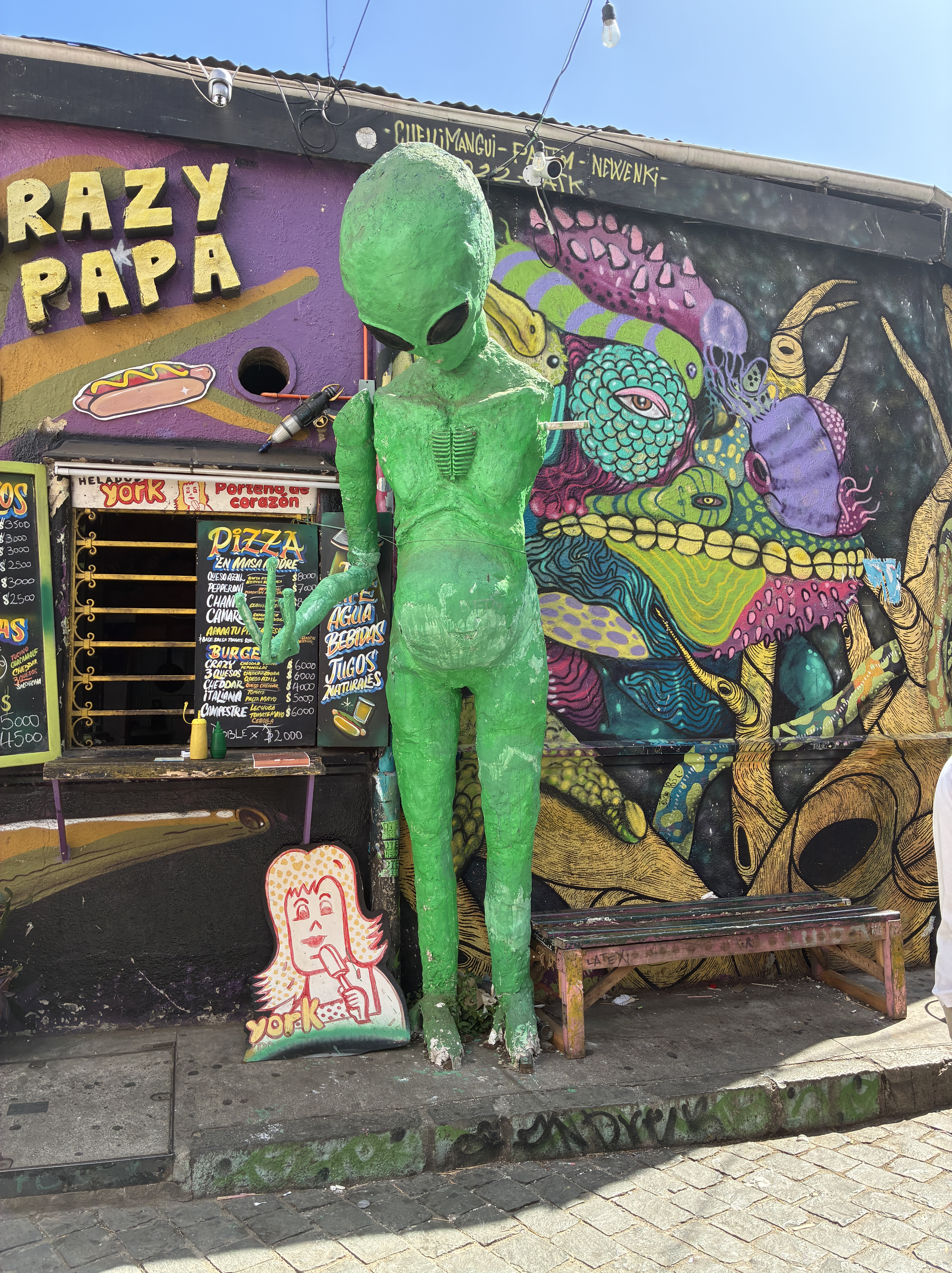
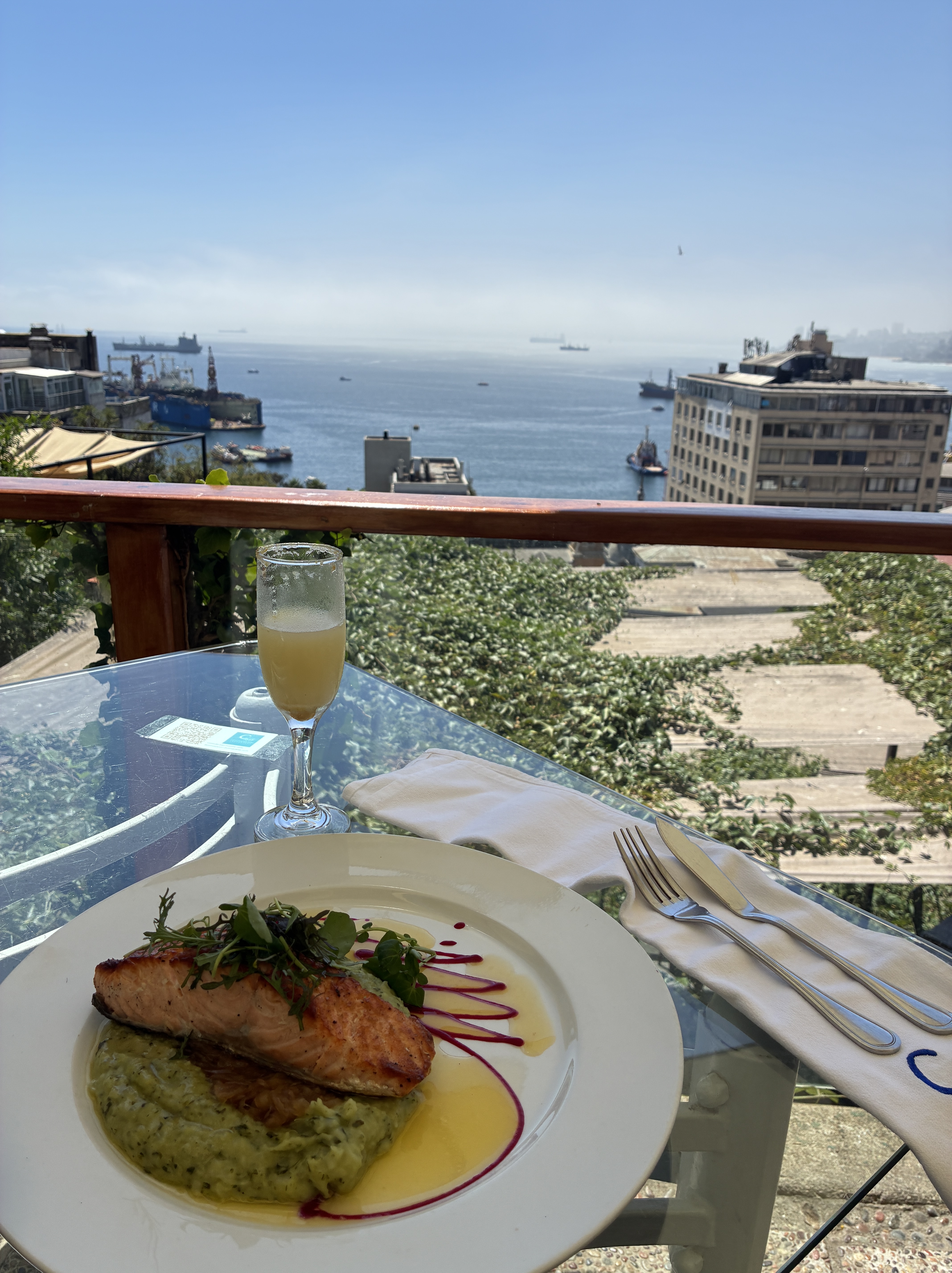
Salmon and a pisco sour while overlooking the water
What About the Negatives?
I dislike shopping in most places, mostly because I don’t like being followed around stores. Santiago added another layer to the woes of shopping: heavily armed guards. Costanera Mall is located in a fancy tower, so I wasn’t expecting guards to be stationed every 10 feet in SWAT gear! I even saw reviews that criticized guards for not being there when customers actually had things stolen from them… so, I suppose they exist only to stop customers from stealing from stores. To my surprise, many large supermarkets were the same: guards suited up to the point that I couldn’t even see their eyes. I’m used to seeing tactical gear on guards in front of banks in South America, but next to avocadoes and pastry stalls feels like overkill. It made for an even more uncomfortable shopping experience than usual, and I opted to get my groceries delivered for the rest of my time in Santiago.
Is Santiago, Chile Worth A Visit?
Absolutely. The thriving social and arts scene make it a lovely place. Santiago’s international airport is also incredibly well connected across much of the globe. So, it’s a great pit stop while in transition to your next destination.






 A home for my words.
Share your thoughts and/or questions.