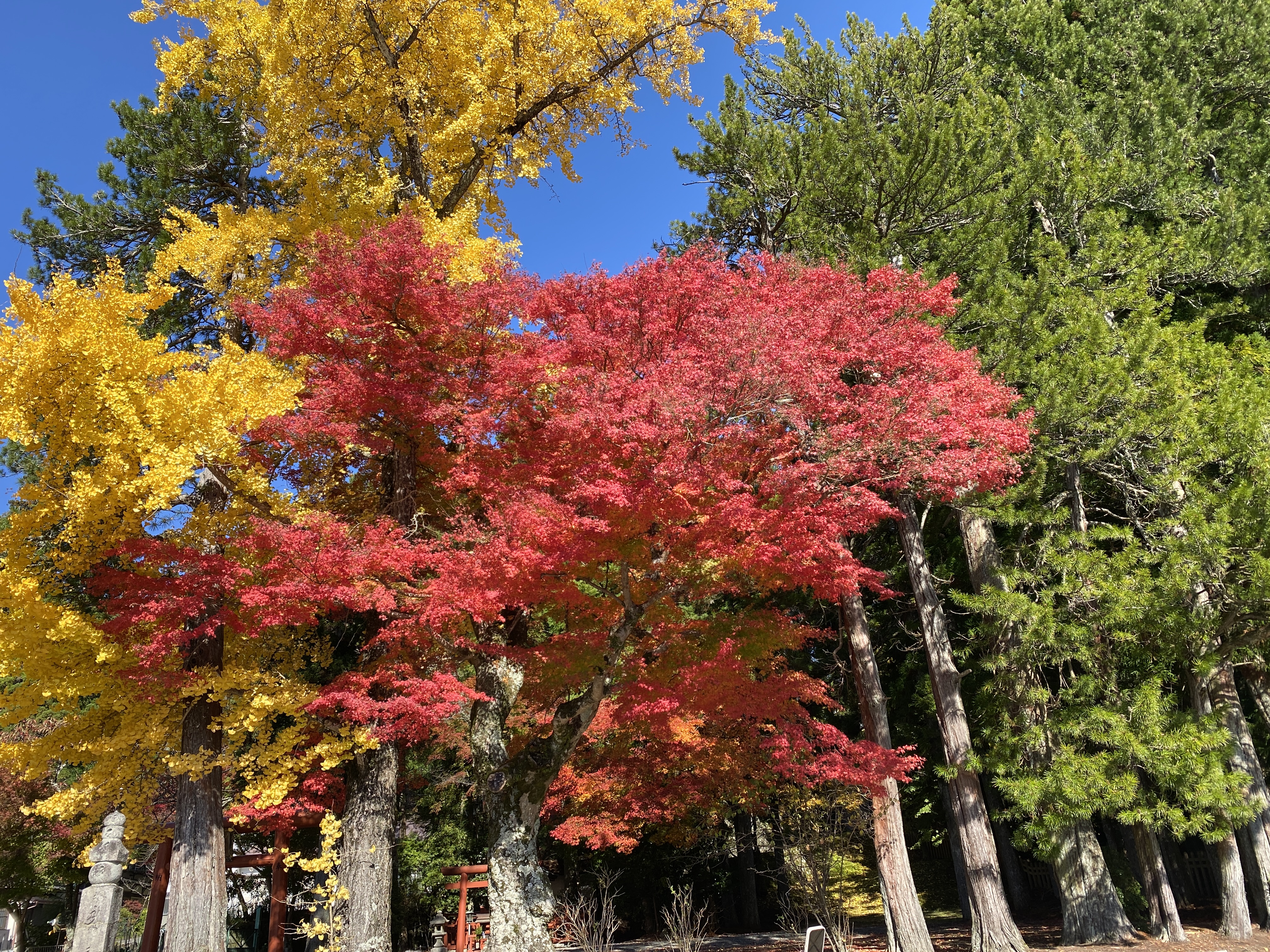
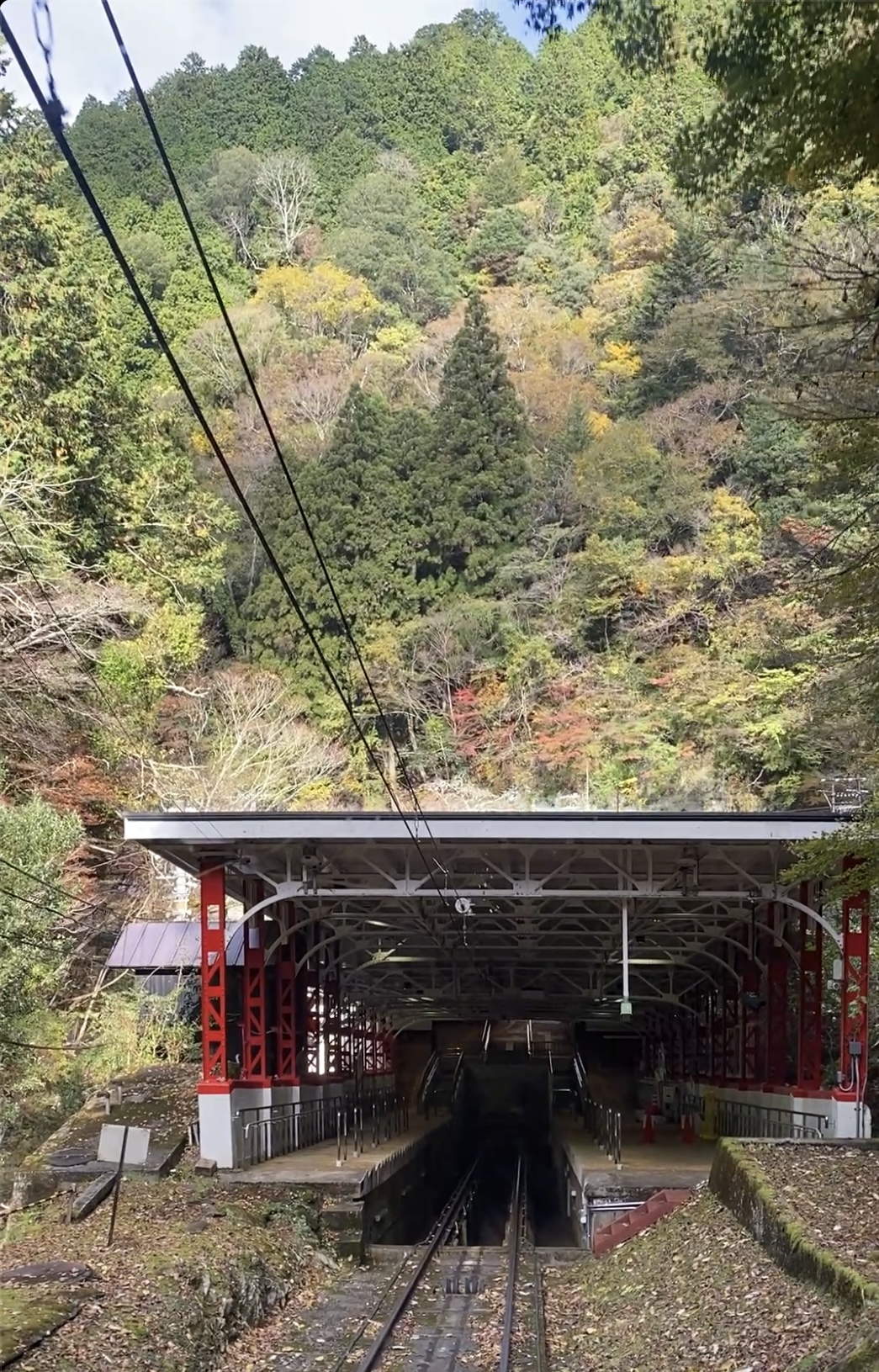
Koyasan is a mountain village in Japan’s Kansai region known for the many Buddhist monks that live there. A few temples even allow outsiders to stay in rooms within the temple walls although this usually has to be booked far in advance. This was a once-in-a-lifetime opportunity and I wanted to make time for it even though the trip from Osaka is a bit arduous, consisting of a few trains, a cable car, and then a bus that will take you through winding roads.
While I’d lucked out during my November trip to Japan with basically 70 degree days each day, Koyasan was the coldest part of my trip. That was in part because the temple itself is not heated. Thankfully, outsiders who book a room will have a mini split that provides heat. I don’t know how I would have made it through the night otherwise. It was one of those situations where the interior hallways felt more frigid than just stepping outside into the cold air where at least you’d be greeted with sun.
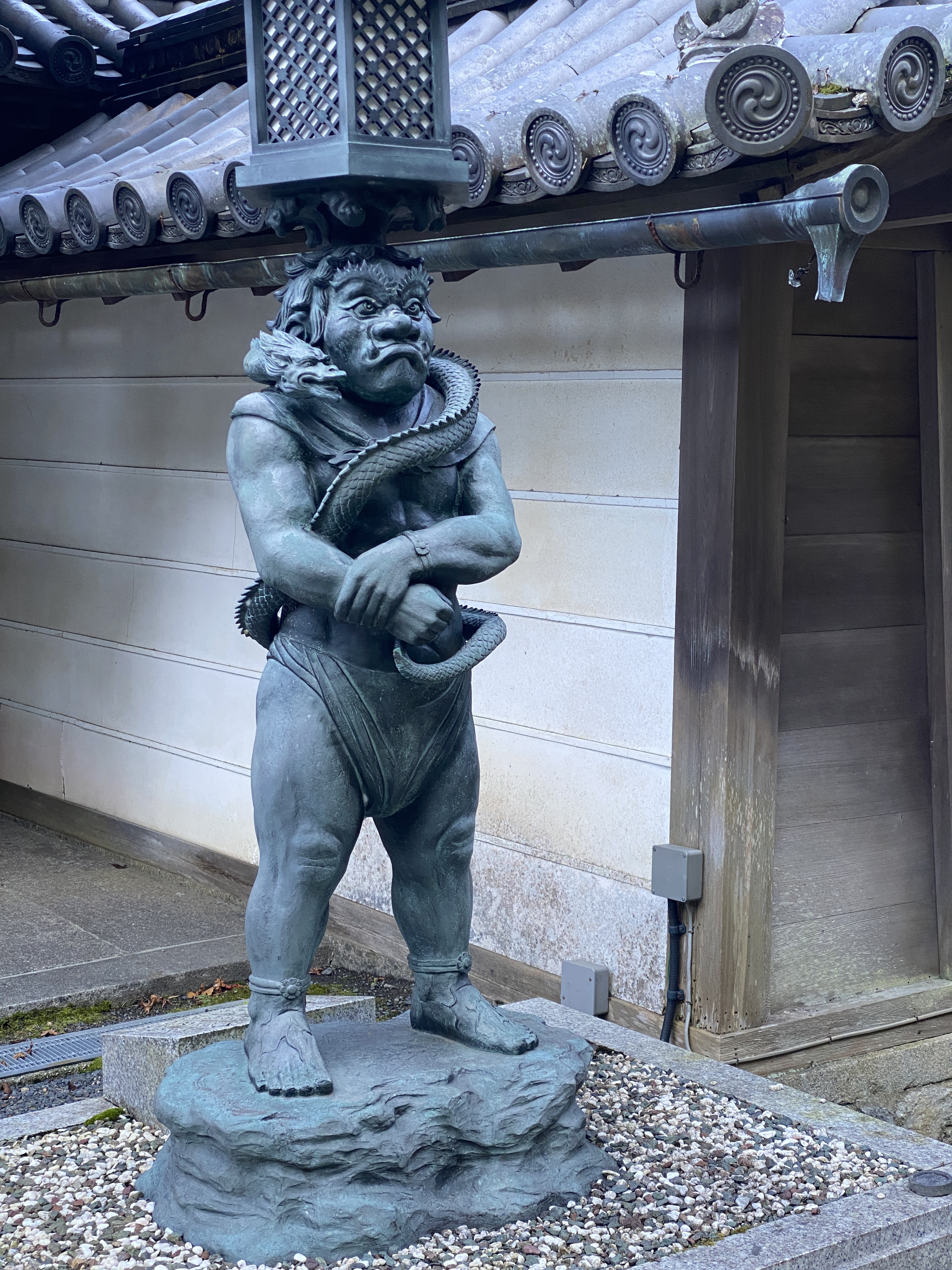
Unless you spend what seemed astronomical to me, you also will share restrooms with others who are lodging at the temple. You can attend morning prayers led by the monks and breakfast and dinner will be held in dining spaces that get sectioned off by fusuma (sliding walls).
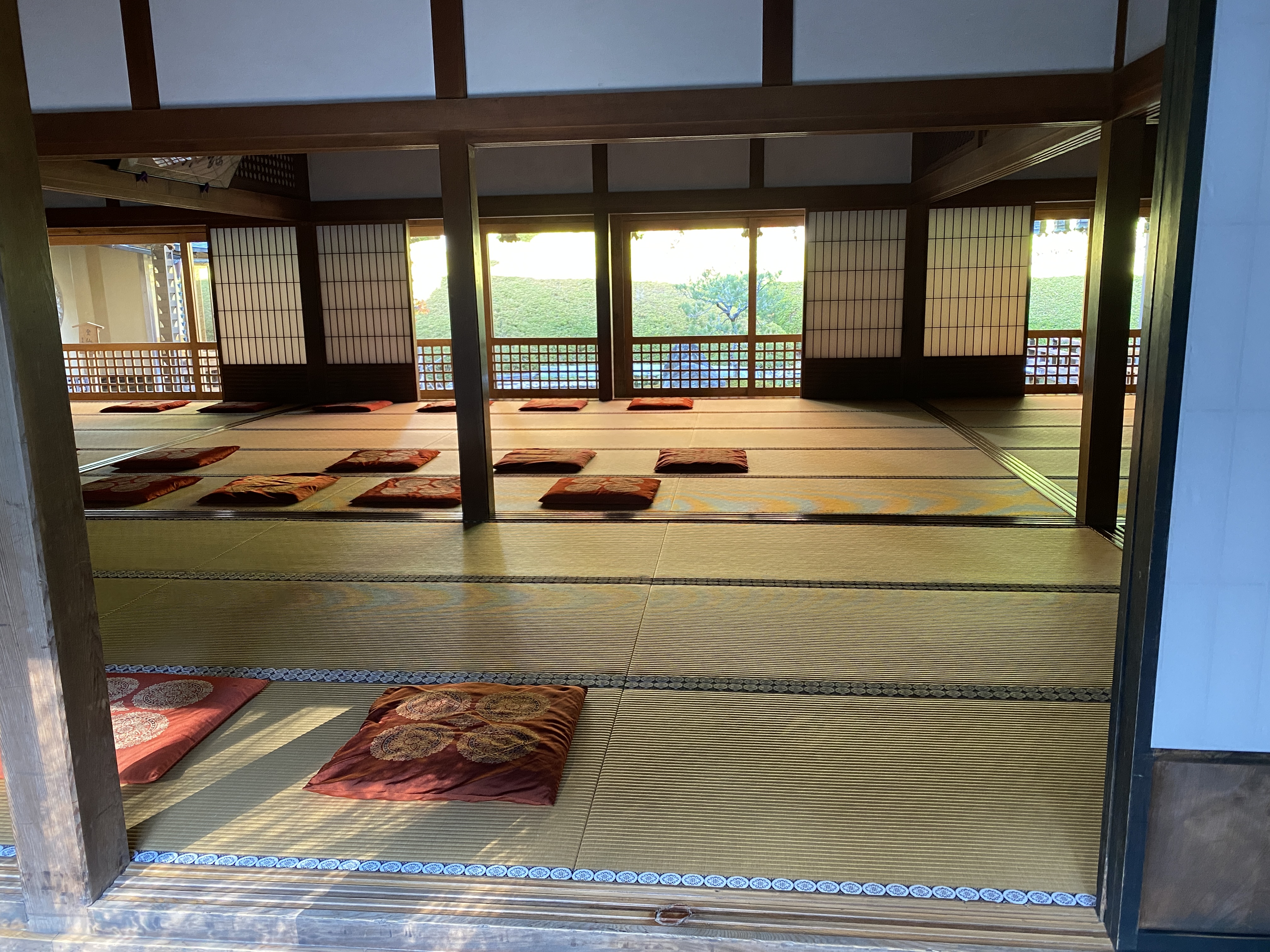
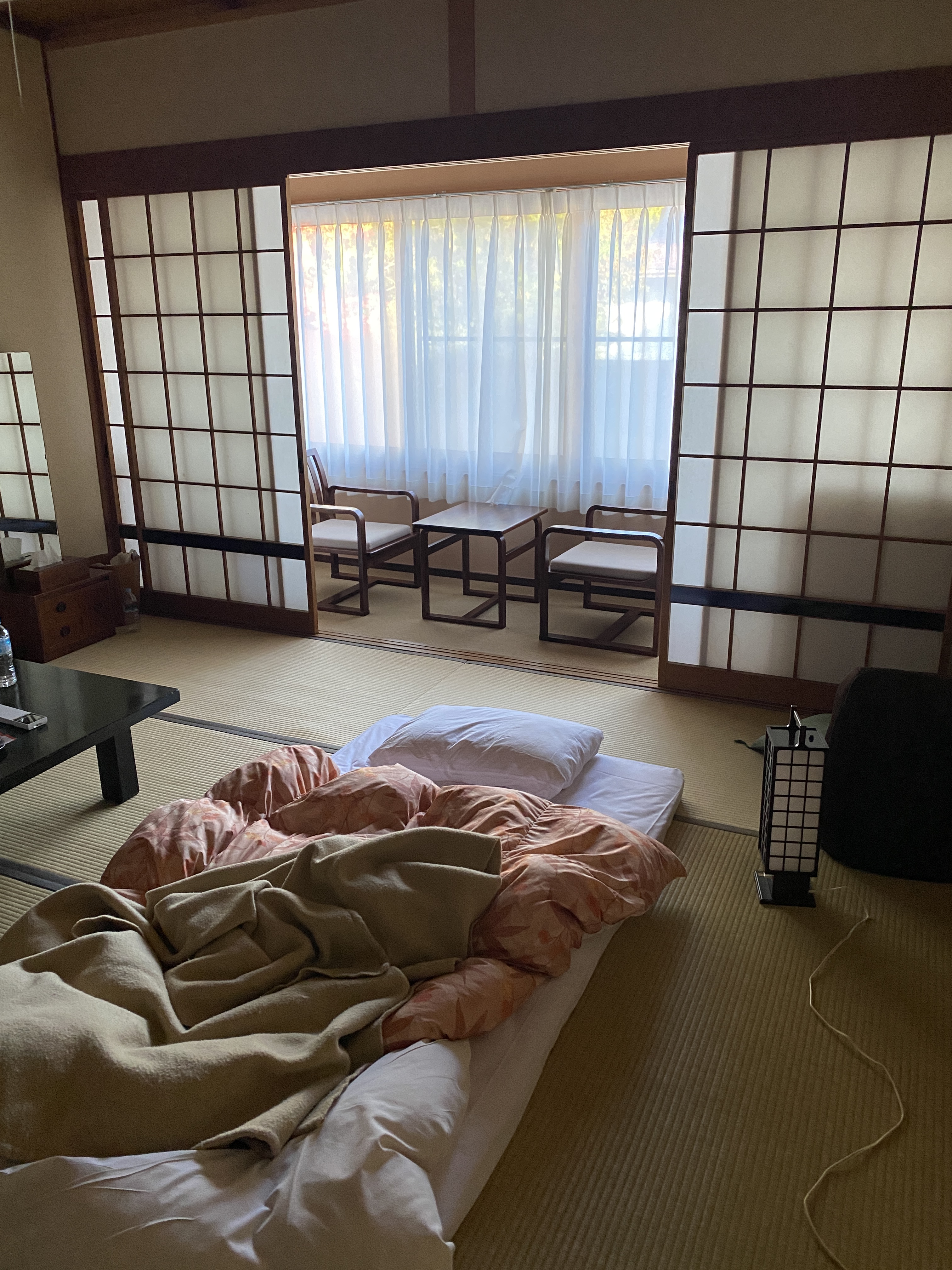
I copied a sutra one night and received a beaded bracelet from a monk upon completion. Originally this was a practice done prior to printing presses to spread the word of Buddha. Nowadays, it’s considered as more of a practice of meditation. That’s good news for me as I intended to do a ton of meditating while in Koyasan, but didn’t. I realistically should have pushed myself to spend time on a cushion doing things in a more traditional fashion.
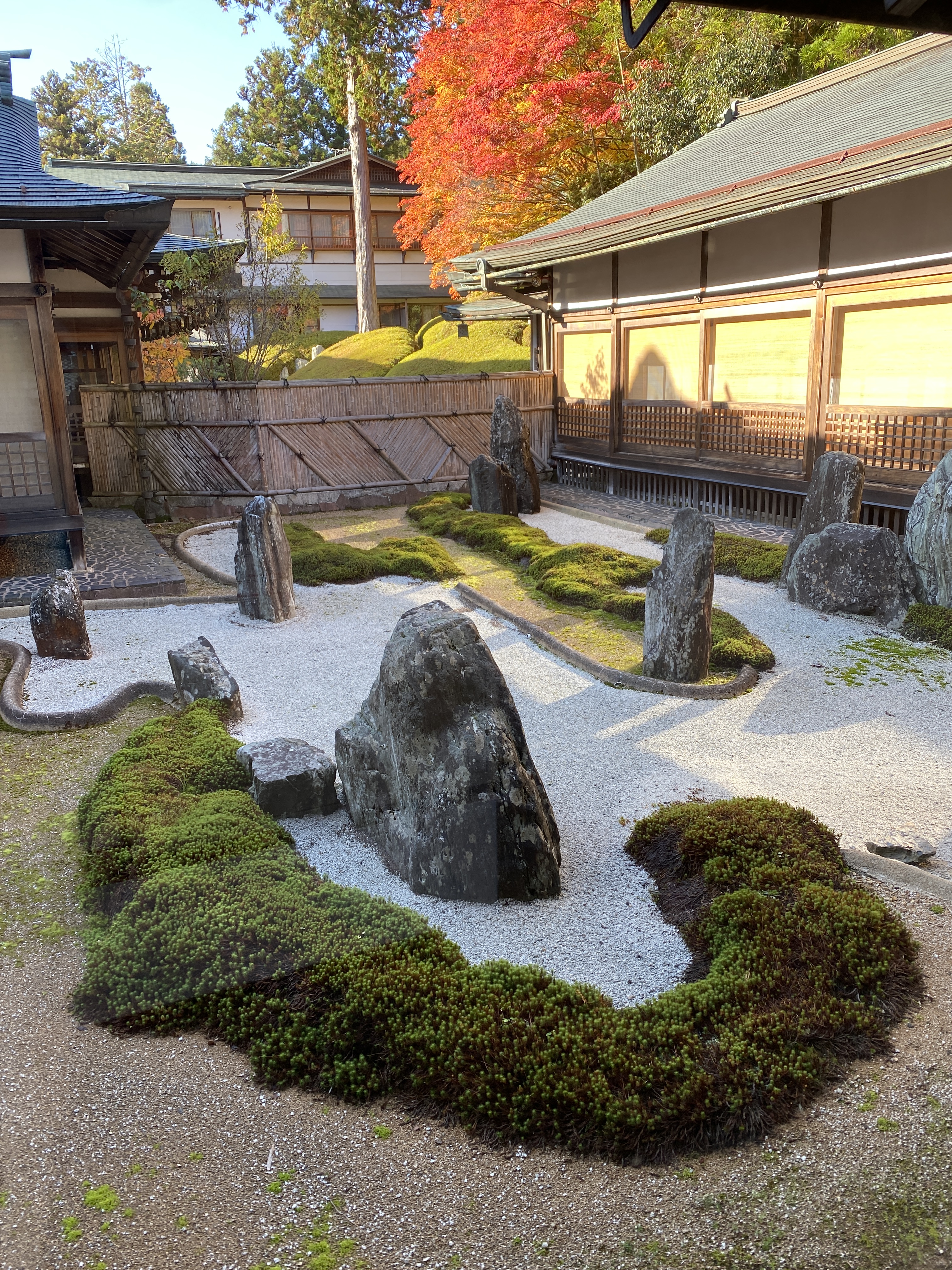
Okunoin Cemetery
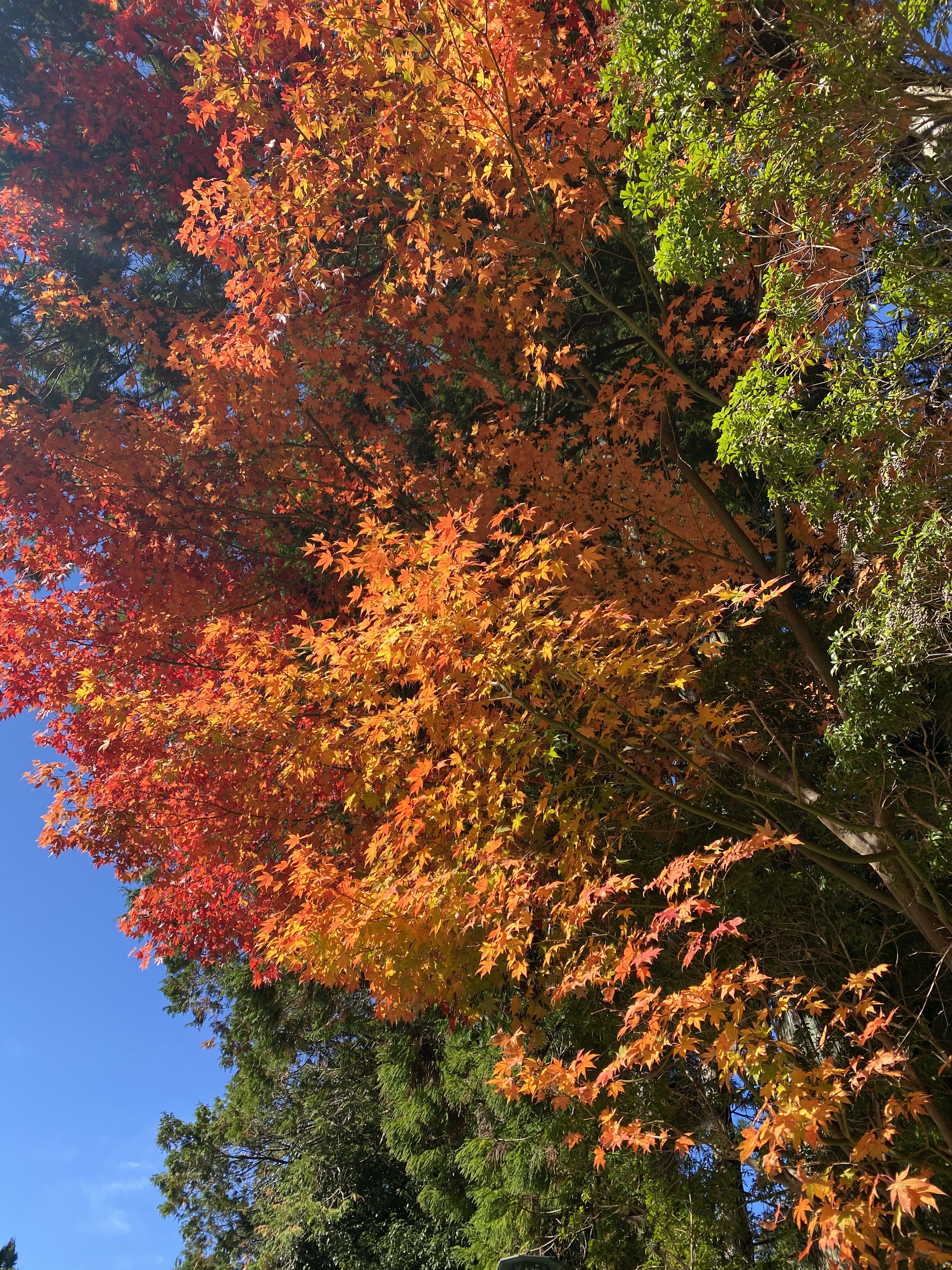
The cemetery is one of the most famous locations in Koyasan. Apparently, they don’t want photos taken inside of it, although I missed any signage that stated so. There are photos online, if you’re curious, but it is one of those experiences that is definitely more impactful in person. I found walking through the grounds and seeing the foliage, statues, and offerings absolutely serene rather than spooky. You can also do a guide-led nighttime tour. Things to keep in mind for that are how cold it will be when you visit and what time is curfew if you stay at a temple, since you must observe the same curfew that the monks obey.
I also visited my first onsen in Koyasan! The temple had two onsens for women and although I was a bit timid, a friendly Russian woman coached me through and made the experience more comfortable.
Shojin Ryori
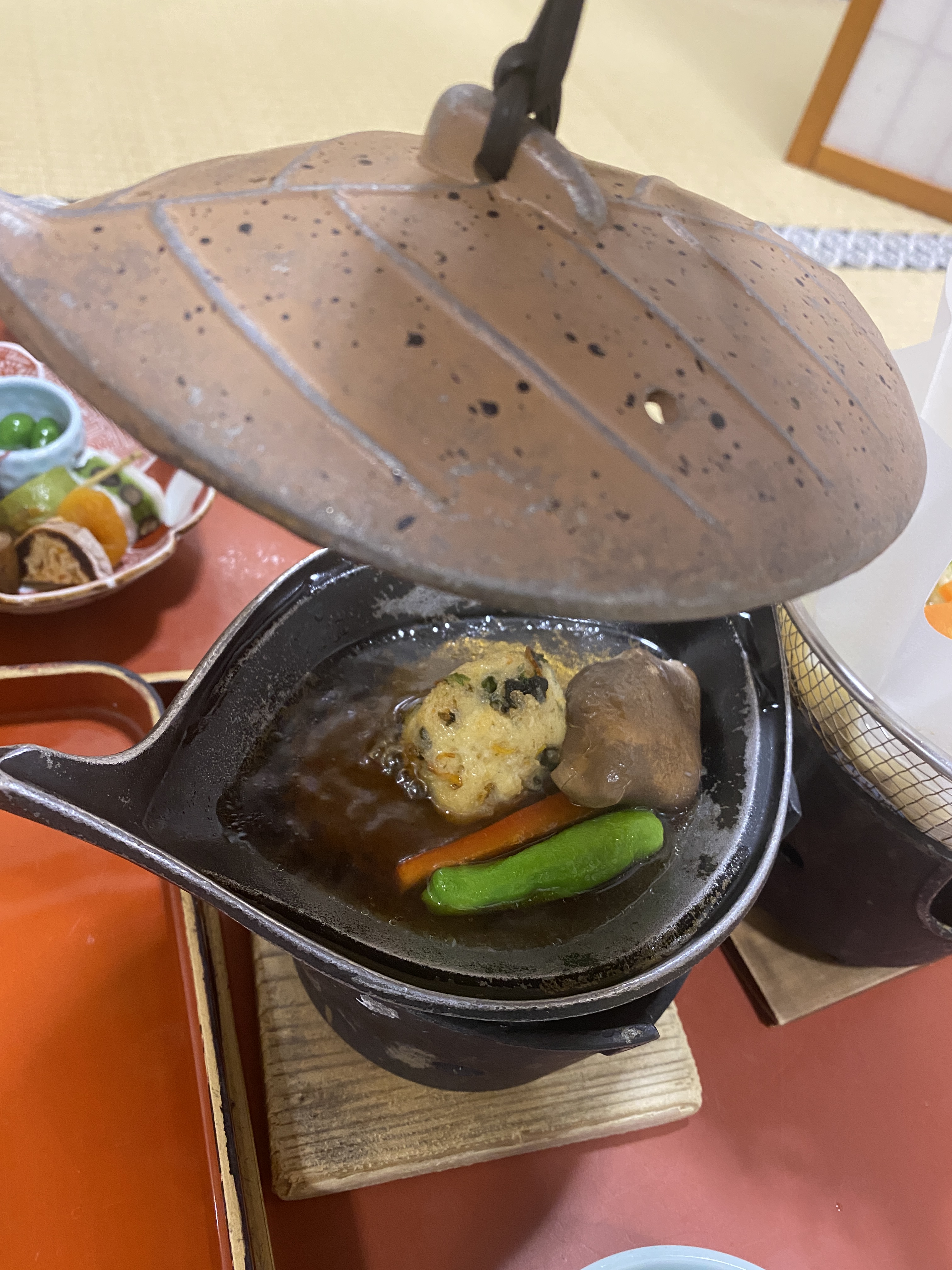
Shojin ryori is the vegetarian/vegan food eaten by Buddhist monks. I was overwhelmed each night by the amount of plates (usually a dozen or more) I was given for dinner. And I ate so much tofu during my stay. There would often be 3-5 different types of tofu in one sitting. The toughest part was trying to get all the food down quickly enough. I felt I was racing against just how cold the air made me and my plates and the fact that I am naturally a very slow eater who takes intentional bites. Retreating to my room for heat was often my saving’s grace during this portion of my Japan trip.
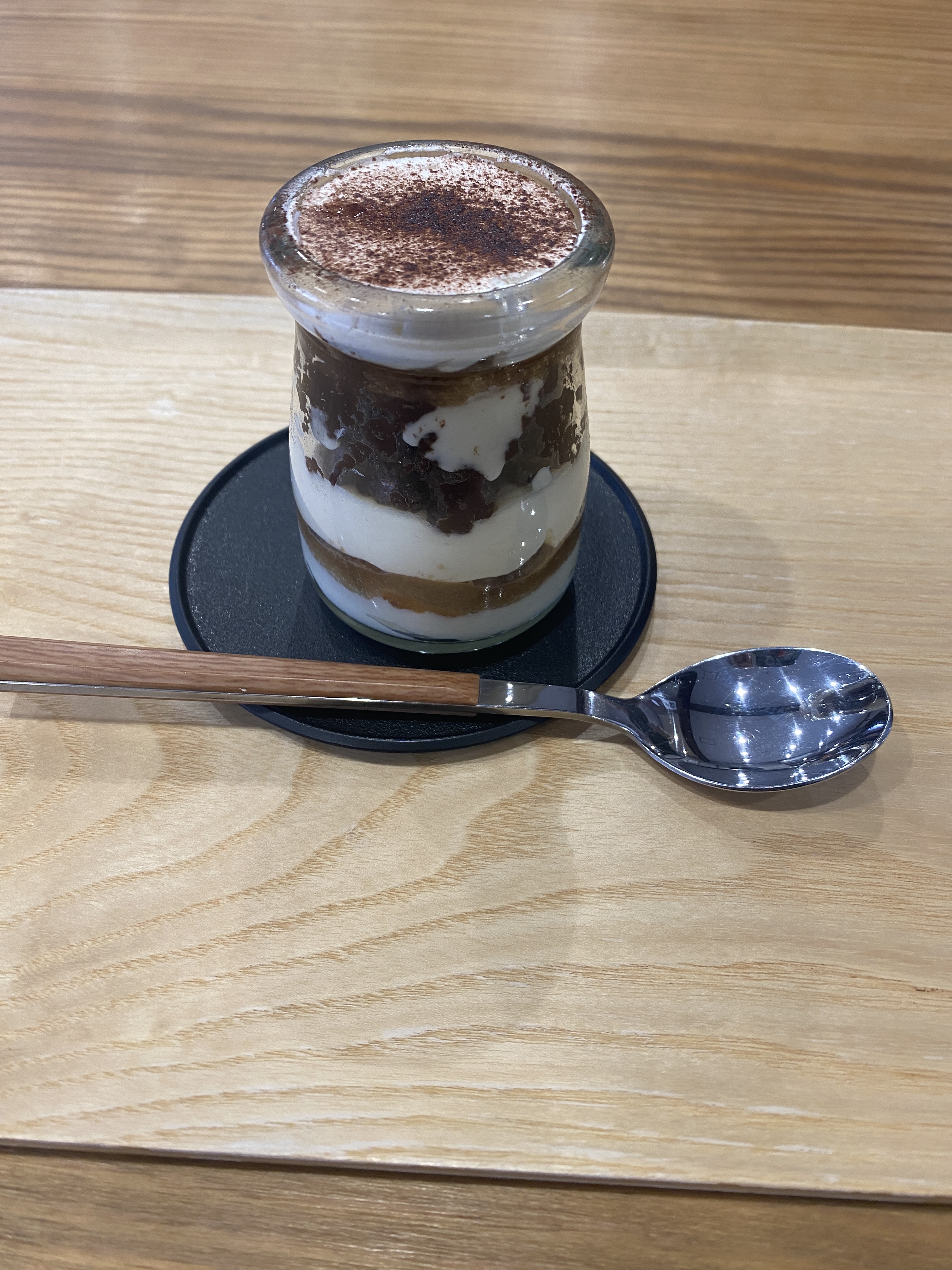
I only had to worry about where to get lunch during my time in Koyasan, which was easy enough except for Tuesdays, when most places in the village seemed to be closed. One of my favorite things when living or traveling abroad is re-visiting cafes whenever I’ve had a good experience there, which could mean any combination of ambiance, food quality, and service. That’s what I did at Koyasan cafe it. In fact the first time I visited, the mini tiramisu was so scrumptious, I went back and ordered a second! While in Koyasan, I also ate a carrot cake and a chocolate cake, so I can’t say my lunch times were always nutritious, but I was often too stuffed from the temple to have a full meal.

This was around the time I started wearing a 5-yen coin on my necklace. I’d learned back at the overpriced bar in Tokyo that “5 yen” in Japanese sounds like the word for “fortune,” so people (usually older people) will make sure that a 5-yen coin is the first thing they put in brand new wallets so that it may bring fortune to their lives. (So I guess the bar served a purpose for something)
Conclusion
It was great to have this experience in Koyasan, although I probably wouldn’t do it again. Certainly not during the cold months! I really wanted to dedicate a few days to staying in the town, but if others were contemplating it, I might tell them to hit the ground running on their first day and just leave their belongings with the temple managers so that they can fit all of the main sights into 24 hours. Again, as it is a holy place meant for practice and reflection, so I didn’t want to rush my way through it. But I can now certainly appreciate why some choose to when planning trips to Japan with limited time.





 A home for my words.
Share your thoughts and/or questions.